For a cattle client, the EU deforestation rules tend to arrive as a request from a buyer for property details and evidence that the land has not been cleared of forest since 2020. The obligation sits with the importers placing product on the EU market, and it passes down the chain to producers as information requests. The rules apply from 30 December 2026 to large and medium operators, and from 30 June 2027 to micro and small operators. Australian beef producers fall into the large or medium category, so the later date does not apply to your cattle clients.
The requests are arriving now because the rules apply to beef when it reaches the EU, which means beef from cattle going through processors today lands after 30 December. Grainfed cattle placed on feed in August already had to comply, given the feeding period and transport times, and compliant grassfed cattle began going through processors from about mid-October.
What an importer has to show is that the land the cattle came from has not been subject to deforestation or forest degradation since 31 December 2020, and that production followed the laws of the country it happened in. Australia was classed as low risk in May 2025, which allows simplified due diligence. The importer collects the information needed for a risk assessment and takes no mitigation measures if the risk is negligible. For beef, the information that comes back to the producer is geolocation, which is one coordinate, to at least six decimal places, for each establishment where the cattle have been kept up to slaughter. That brings in a client’s breeding property, their finishing property, any leased country and the properties that supplied any cattle they bought in.
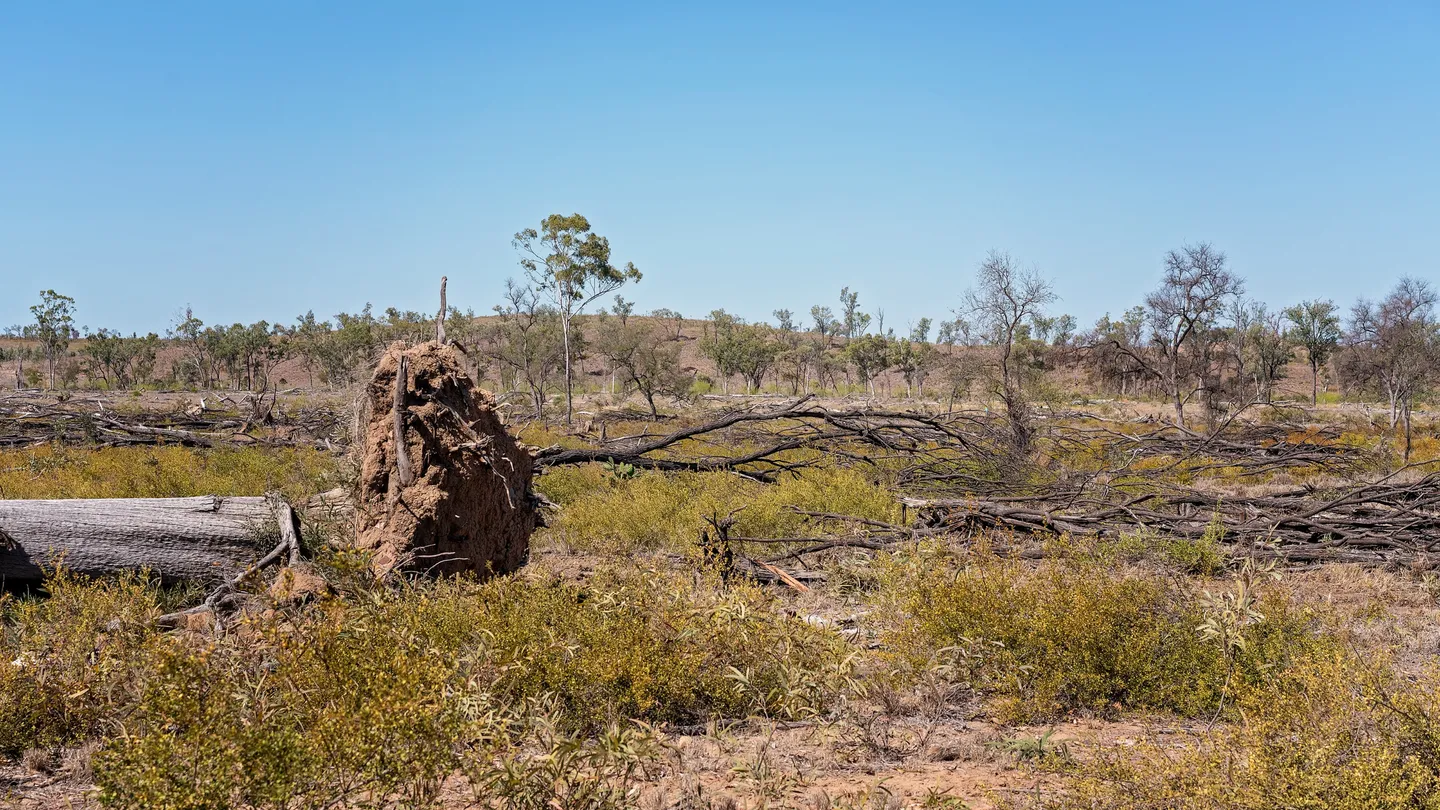
The status behind it is a yes or no, and the practical difficulty is how it gets established. A satellite record shows that vegetation has changed without showing why, so a bushfire scar, a patch where locally invasive species have been removed or clearing that was approved at the time can all appear as clearing. A check that works from a single point can flag a whole property on the strength of one spot, and the LPA geolocation tool, which is one way to pass a location to a buyer, works from a single coordinate. When that happens, the explanation depends on records. Those are often held by the people around a client, such as the dates of purchase or lease with their accountant, or paddock management history with an agronomist or consultant.
Ruminati’s partner Cibo Labs approaches the status as a question about the entire farm polygon in place of a single point. It carries out and prices an assessment that compares the whole property against satellite and vegetation data back to the end of 2020. Where the record shows a change, an assessor contacts the farmer directly to verify what happened. They ask for supporting evidence such as legal clearing, a bushfire or farm history records, so a flag is tested before it counts against the property. That is the stage where your records help a client most. Once complete, the assessment is issued as an AgTrace-endorsed Verifiable Digital Credential, which gives a client’s supply chain partners instant, secure and verifiable proof of their deforestation-free status.
A client may have several buyers asking for the same thing, and the credential has to reach each of them. Ruminati can link a client’s Cibo Labs assessment to their account and farm using the property ID, so it sits with the rest of the farm’s data. The client shares that one assessment with each buyer who asks and turns off access when they stop supplying. The client owns the data on Ruminati, so what you see of it is also theirs to decide.
For each client, the groundwork is a list of every property their cattle have been on, including breeding, finishing, leased and bought-in sources. Next to each goes a note of whether it has been assessed and where records exist for any fire, weed control or approved clearing. It is also worth asking who the buyer ships to, since the EU takes only about half a percent of Australian beef exports so far. The list needs updating whenever a client buys, sells or leases land.
A client who has their properties, records and assessment in order before a buyer asks can answer straight away, and that preparation is where an advisor can make the difference to whether they stay eligible to supply.