A few years ago an emissions question from a client usually came out of a supply chain request or a conversation at a field day. These days it reaches them through more doors, with bank reviews, processor requirements, grant applications and producers who have heard enough about it to want to know where they stand, and that means it is landing in the conversations you are already having with them.
The advisors best placed for that are the ones who know the business and hold the relationship. The depth of their greenhouse gas accounting matters less than whether they can help a producer through a new requirement without it becoming another job on a long list, and much of what an emissions report needs is already in their hands.
If you are the accountant or bookkeeper, livestock numbers, fuel and fertiliser use, production volumes and electricity costs overlap significantly with what you know about the operation. In many cases they sit in the same records used for tax and financial reporting, so doing the two together is considerably less work than doing them separately.
If you are the agronomist, the input records you keep for agronomic purposes, including fertiliser type, application rate and active ingredients, are the same ones a report is built from. Helping a client see what those inputs mean for their emissions is a useful thing to bring to a visit you are already making.
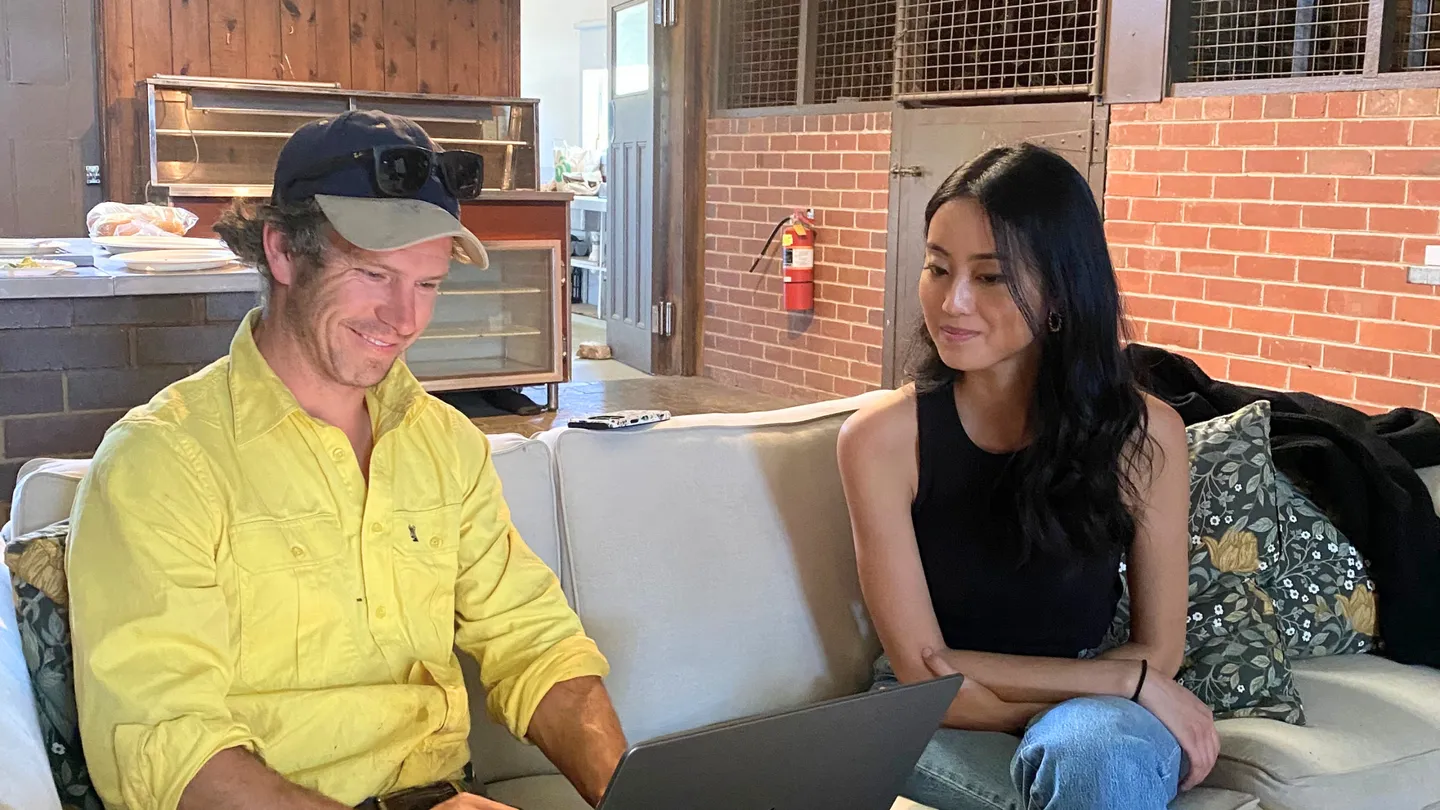
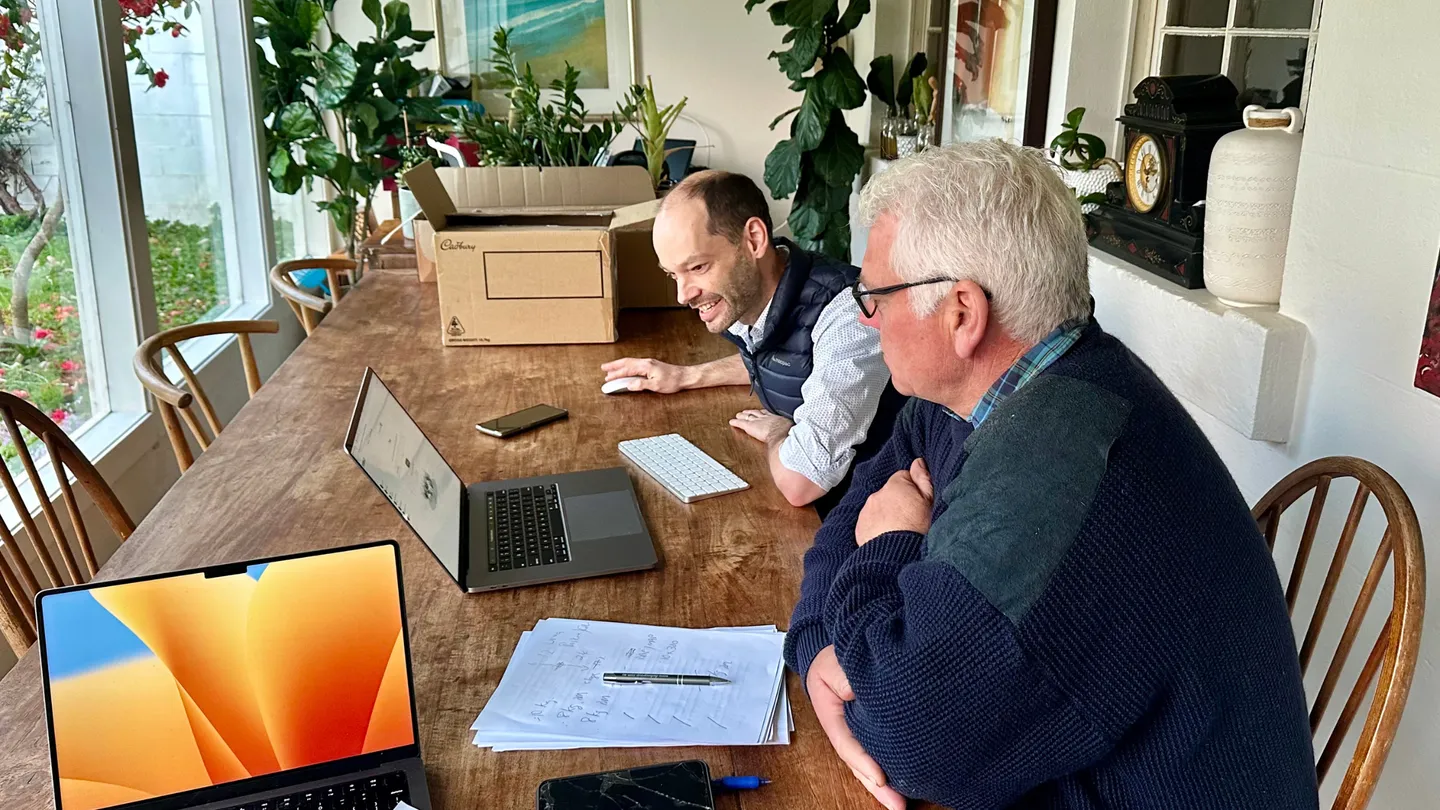
The clearest examples come from agricultural lenders, who have woven emissions reporting into their existing on-farm visits, reviewing draft reports during annual client catch-ups or working through data entry as part of a broader business conversation in place of a standalone exercise. Producers who go through it come away with a completed report and no sense of having added another task, and the difference comes down to how the conversation was framed and who was having it with them.
Your role also carries past the first report. A client with four years of records can show the seasonal variation and the trend underneath it, which gives the two of you something to work from each year. When the data is standardised and held in one place, audits that might otherwise cost tens of thousands of dollars have come in at a fraction of that, and in some cases the client’s own accountant can do it.
Being across all this takes enough knowledge to help a client get started and ask the right questions, and to know where to go when they get technical. The producers who find the process easiest are the ones whose advisors are already comfortable in the conversation.
The Ruminati advisor network gives accountants, bookkeepers, agronomists and consultants free access to the platform to create and complete emissions reports for producer clients, with the client’s permission and a clear view of who sees what at every step. If you work with agricultural businesses and want to know how it works, hello@ruminati.com.au is the place to start.