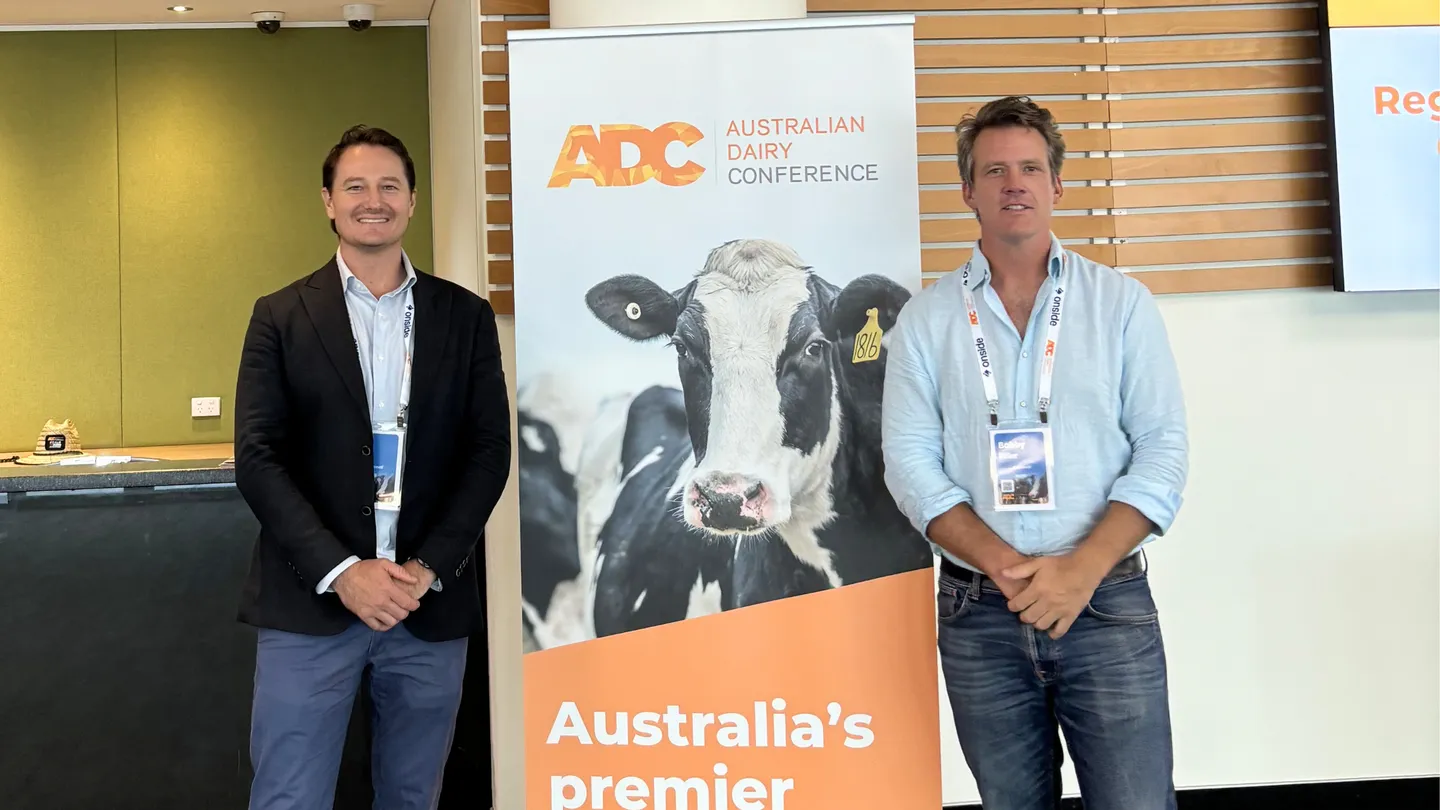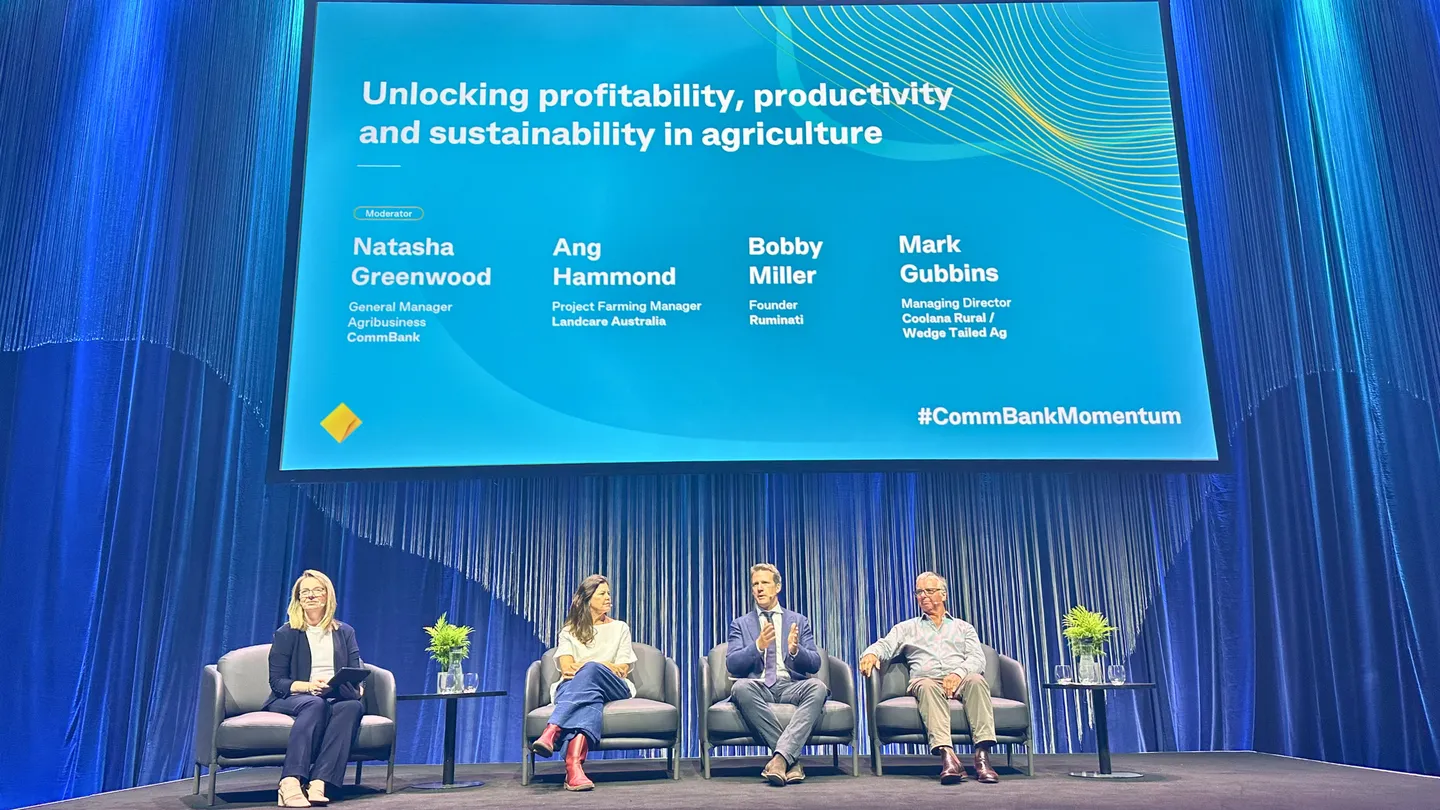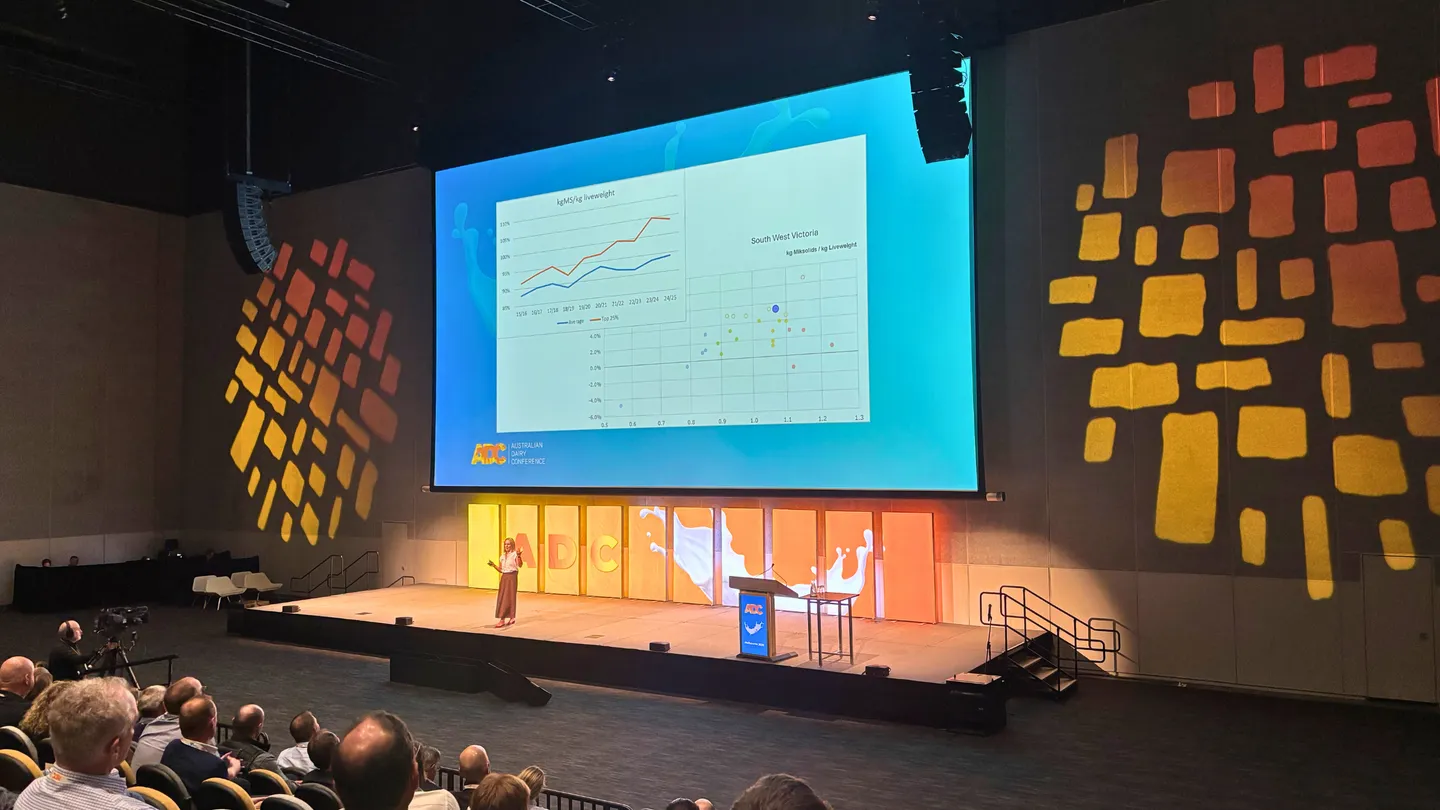
Conversations about emissions in agriculture have a habit of staying a step removed from the farm, heavy on aspiration and light on how any of it works commercially, and the dairy industry is showing a growing impatience with that gap. It was the observation Ruminati Partnerships Manager David Nation brought back from a few days at the Australian Dairy Conference, where he found the conversation in dairy getting more practical, and where the biggest attendance and exhibition in the conference’s history gave the industry plenty of momentum to talk from.
Much of that practicality came from looking ahead, from beef-on-dairy crossbreeding to emerging technologies and shifting global expectations, and from the people who will carry the industry through it. Strong leadership mattered both on stage and in how new ideas and new people are welcomed, and the most grounded discussions kept coming back to capability and trust, along with safety and the culture that holds an industry together through change. Running through the same sessions was a request for clarity in place of noise, including on what a first emissions report is useful for in running a business.
On a dairy farm the answer sits in decisions you already make. A farm’s emissions are largely a record of those decisions, about the herd as much as about fertiliser use, so laying them out shows where the business has room to move, and the same figures that answer a bank or processor are the ones that show it. Emissions intensity makes the link plainest, because a farm that gets more milk from the same inputs lowers its emissions for each kilogram of product, and it moves with the same decisions you already weigh for profitability.
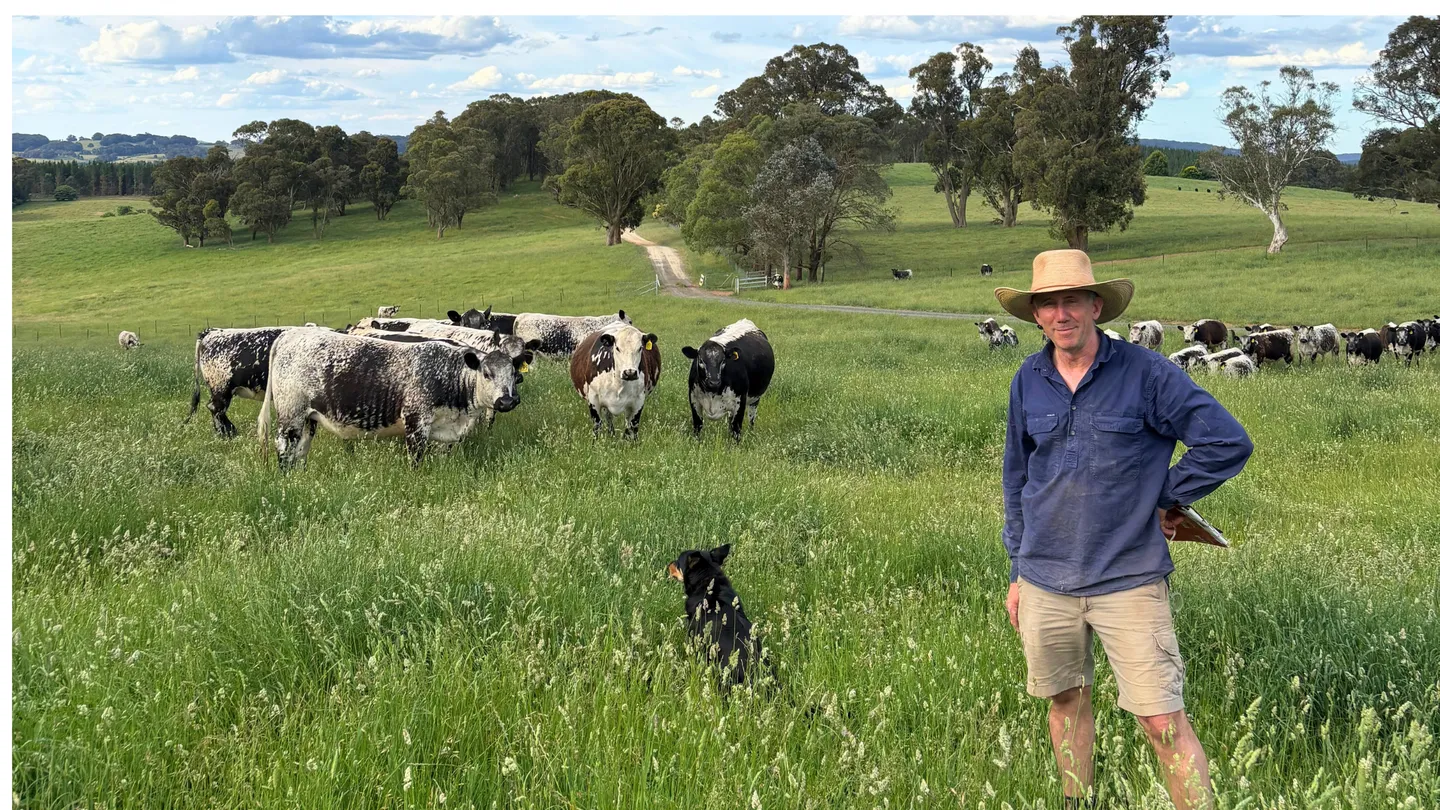
Beef-on-dairy crossbreeding is a good example of the two running together. It gives a dairy producer a way to improve the economics of the calf and the emissions picture of what leaves the farm at the same time. That makes it the kind of decision where the commercial case and the emissions case point the same way, and it was one of the forward-looking topics that kept coming up at the conference.
That is why the thread running through the conference felt right. Profit is what makes long-term participation in dairy possible, since it funds investment in efficiency and lets a producer respond to market signals, and it creates the conditions for emissions to come down over time. Commercial reality and environmental responsibility sit together on the one farm, and one enables the other.
For a producer working out where to begin, that points back to the records already on the farm and the figures they produce. A first emissions report completed now puts those figures in your hands on your own terms, and with the question of who sees them left to you, it becomes something you bring to the next conversation with a processor or bank in place of something you are asked to catch up on.