If you have been getting questions about emissions data from your processor or retailer, or from your bank, chances are the words “Scope 1, 2 and 3” have come up along the way. They sound technical, but the logic behind them is fairly straightforward, and understanding it goes a long way towards making sense of why you are being asked for this information at all.
Scope 1 covers emissions from sources your farm directly owns or controls. For most livestock producers that is predominantly methane from enteric fermentation, which is the digestion process in cattle and sheep, along with emissions from fuel burned on the farm, and these are the figures that sit at the heart of most agricultural emissions reports. Scope 2 is about purchased energy, meaning the electricity you buy from the grid to run farm buildings and irrigation pumps. Producers who generate their own solar power, or who run off the grid, often find their Scope 2 figure is very low or close to zero.
Scope 3 is where it becomes more relevant to your supply chain relationships, because it covers indirect emissions such as the transport of livestock before purchase, or the embodied emissions in inputs like fertiliser. It also works in the other direction, since your total emissions become part of the Scope 3 of every business downstream of you. The feedlot you sell to, the processor, the retailer and the bank that finances your property all carry your emissions in their own Scope 3 reporting.
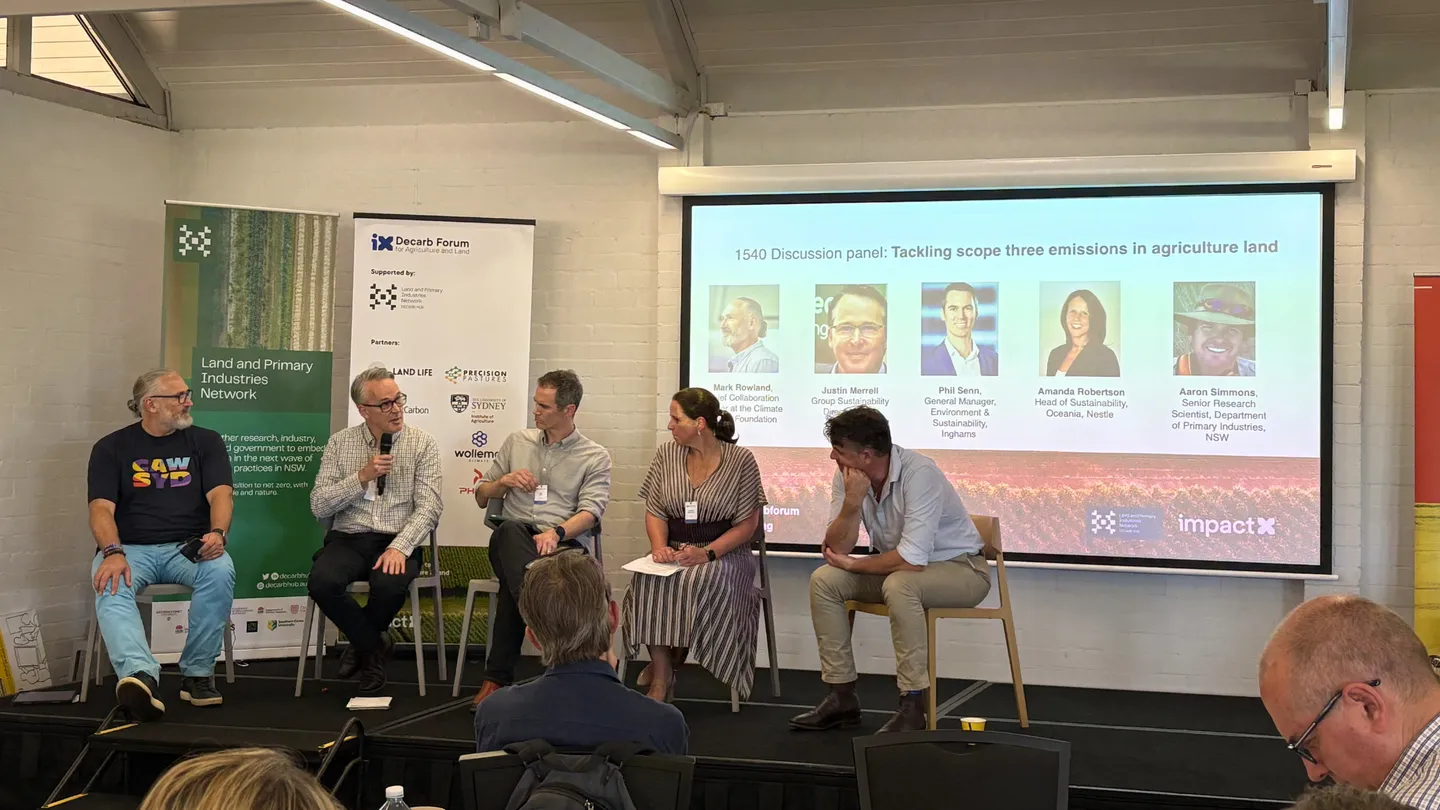
That is the main reason supply chains are asking producers for data, because large businesses now have legal reporting obligations that require them to account for emissions all the way back through their supply chains, so the request comes from the obligation the business itself carries, and farms are not being singled out. Australia’s mandatory reporting laws will roll out from July 2025, starting with the largest businesses, and the Scope 3 requirement comes in during the second year of each business’s reporting cycle, which means the requirement is already working its way down the chain.
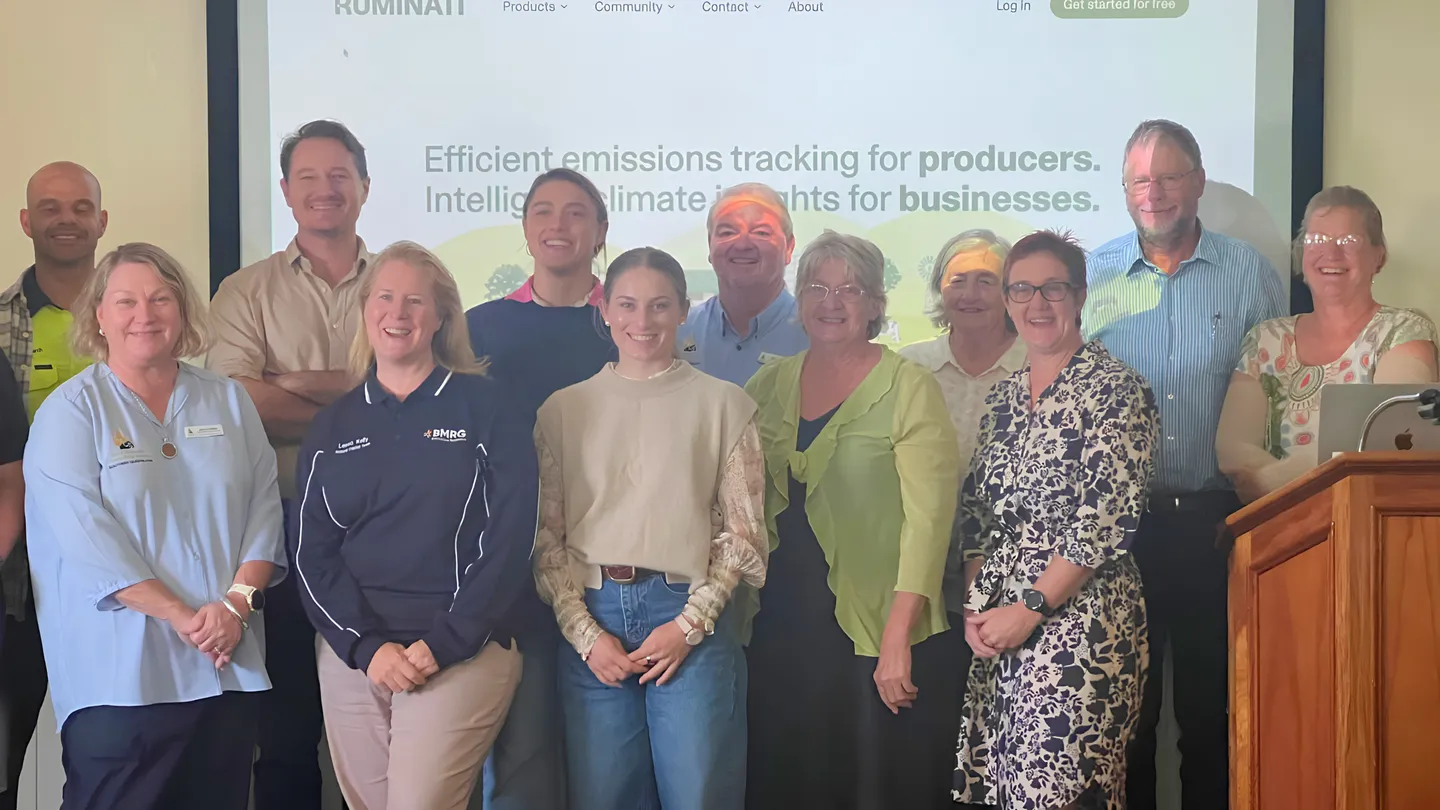
For a producer, that makes it worth understanding your own figures before anyone asks for them. Knowing where your emissions come from, and being able to share that information on your own terms, puts you in a much stronger position than leaving a buyer or a bank to estimate it for you.