Almost every producer workshop reaches the same question at some point, which is why you would do emissions reporting at all, and it is a fair one. For most farmers the honest answer is that you don’t need to, at least not directly and not yet, but the businesses you sell to increasingly do, and once that is on the table the conversation changes quickly.
Those businesses are working in global markets where there is growing commercial pressure to prove their credentials, and they are looking to the farms behind their products for the information that proves them. A processor selling into European retail, for example, is increasingly being asked to show where its beef comes from and what its environmental footprint looks like, and that question finds its way to the farm. Seen from the producer’s side, that pressure turns emissions reporting into market access in place of a compliance exercise, because the figures from your farm are part of how the businesses you supply prove their own credentials. Having a first emissions report done early means being ready for those conversations on your own terms, and who sees your figures stays your decision.
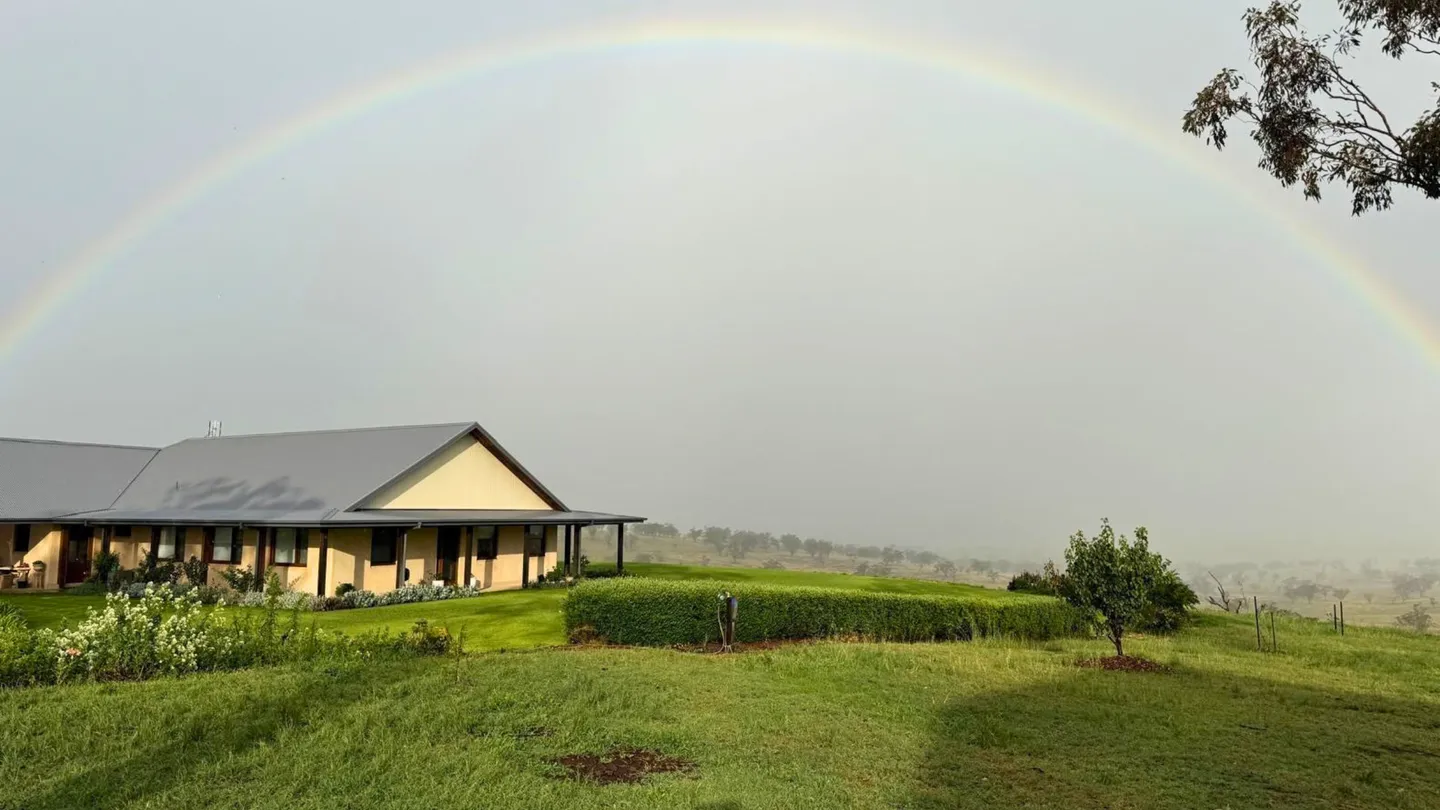
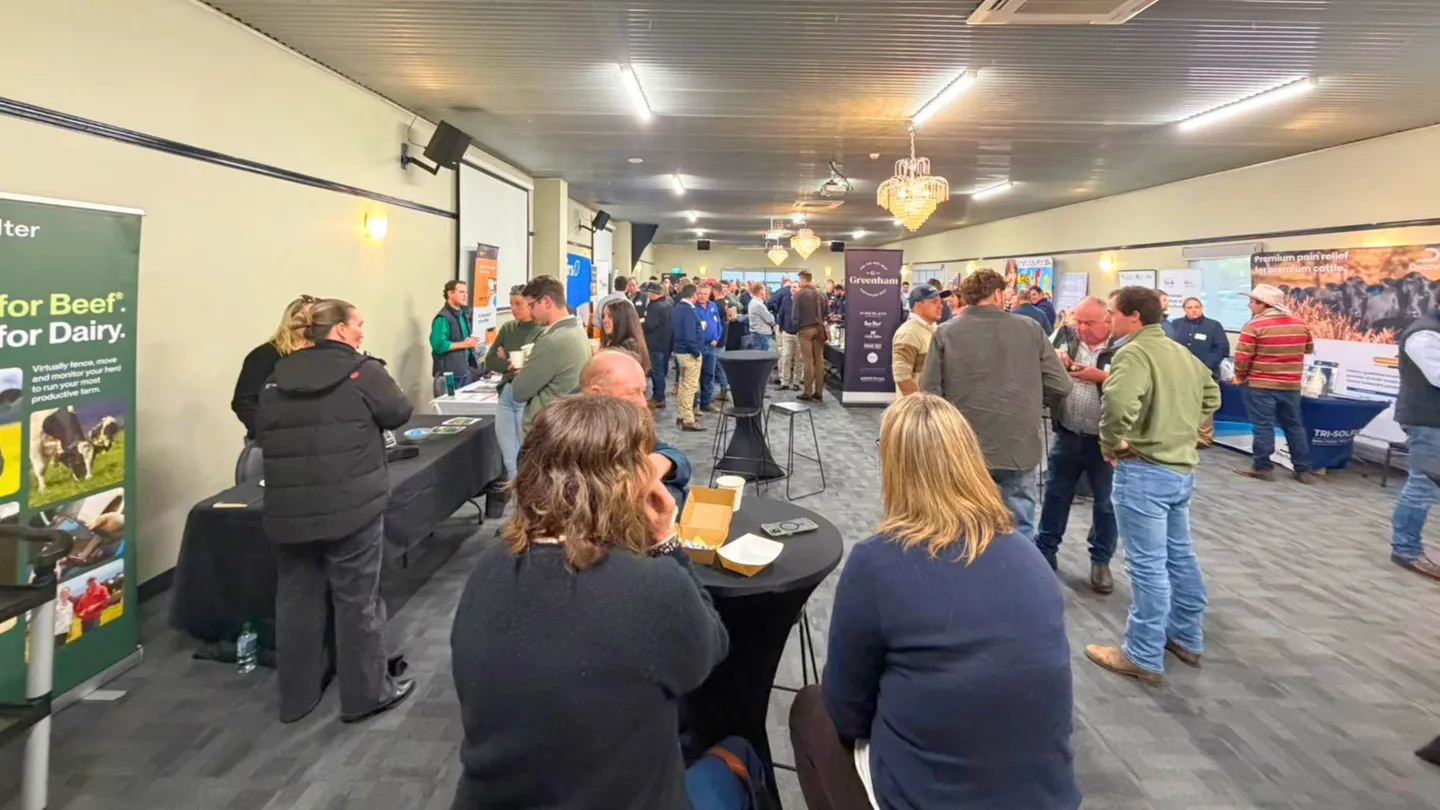
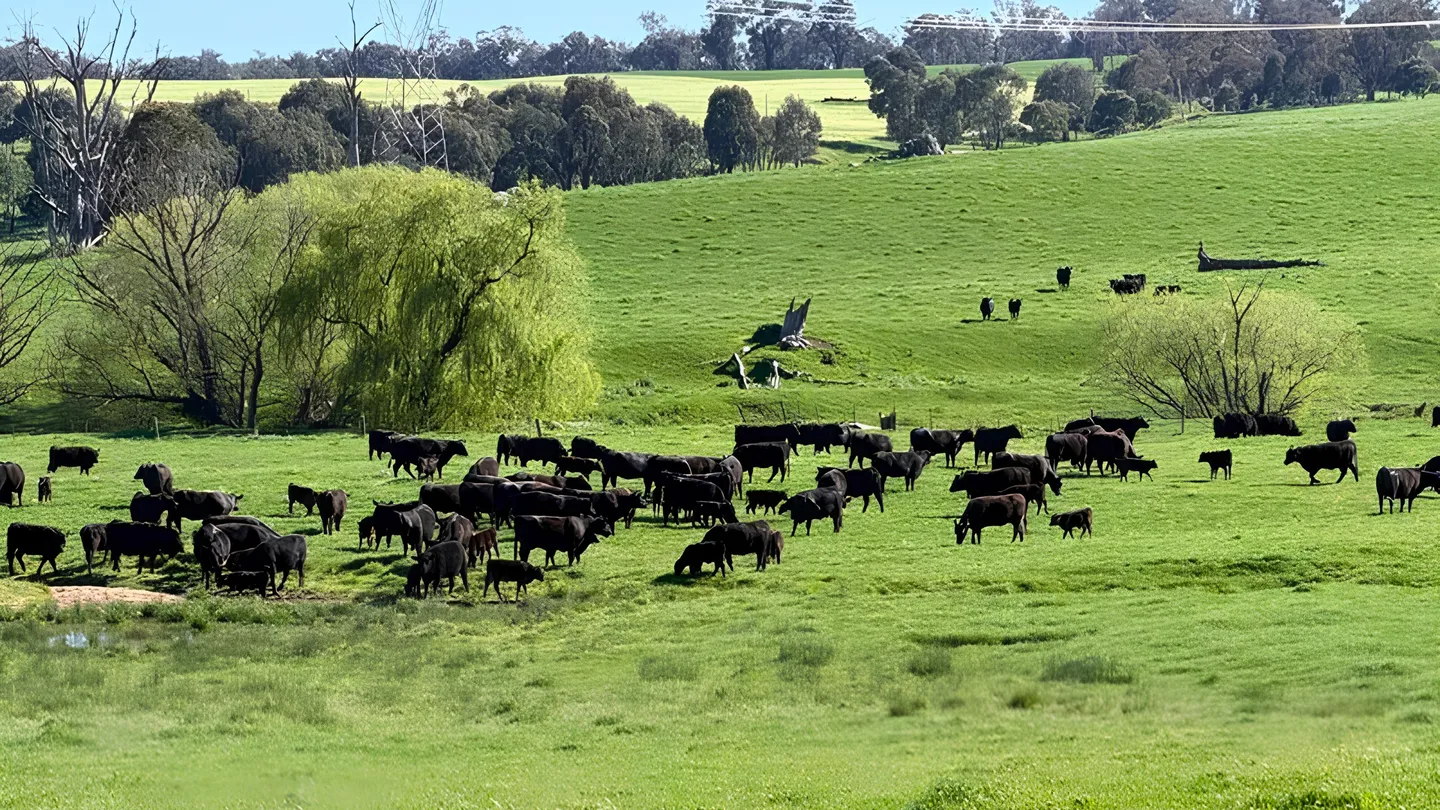
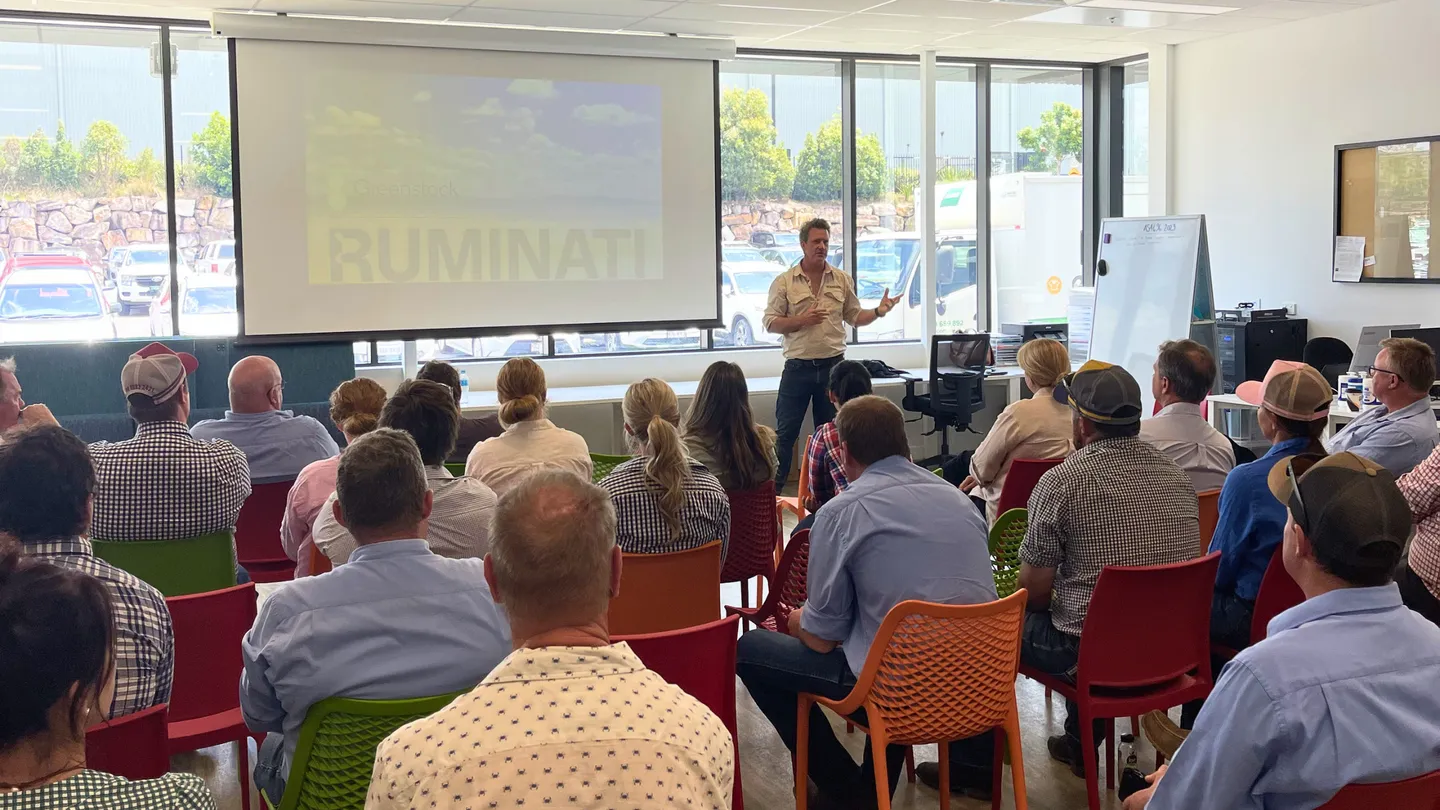
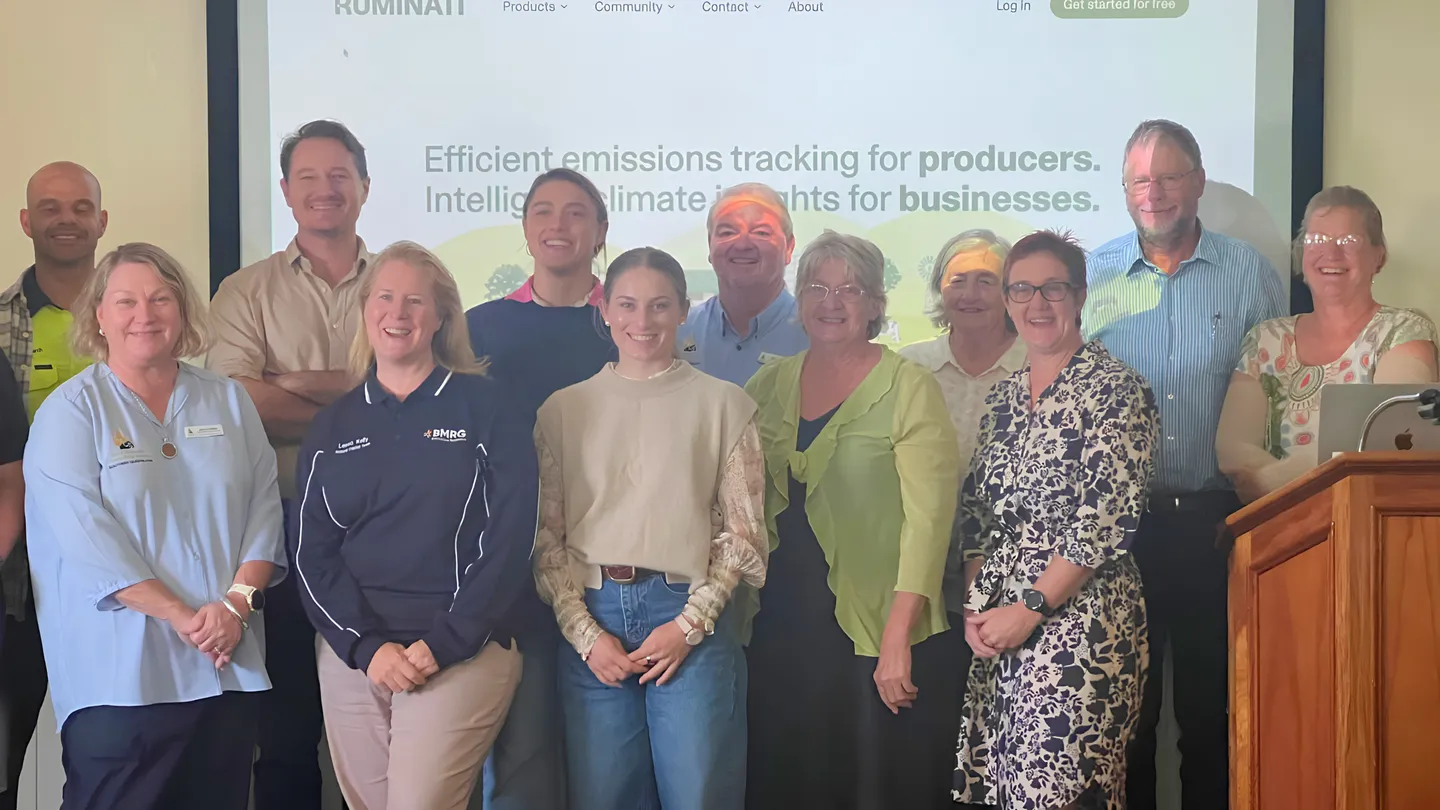
That shift was the centre of the Burnett Mary Regional Group’s Climate Smart Catchments workshop in Queensland, where Will Onus, a Ruminati co-founder and now COO, worked through emissions and natural capital with producers on the ground. A strong wet season had cattle on green grass, which Will was pleased to see, and it made a good backdrop for a conversation about where the industry is heading.
Nakita Thackwray from Carbon Stock added a second layer by walking through how natural capital projects can sit alongside productive farming systems and strengthen the story being told back up the supply chain. It suited a group already thinking carefully about how their land is managed, because the emissions figures tell one part of the story of a farming business, and the landscape, the vegetation, the waterways and the management practices behind them tell the rest.
There is still a lot to work through in this space, and nobody at the workshop was pretending otherwise. What changed was the way the conversation was framed, moving from obligation to opportunity, and from asking why you would do this to asking how you make it work for your business.