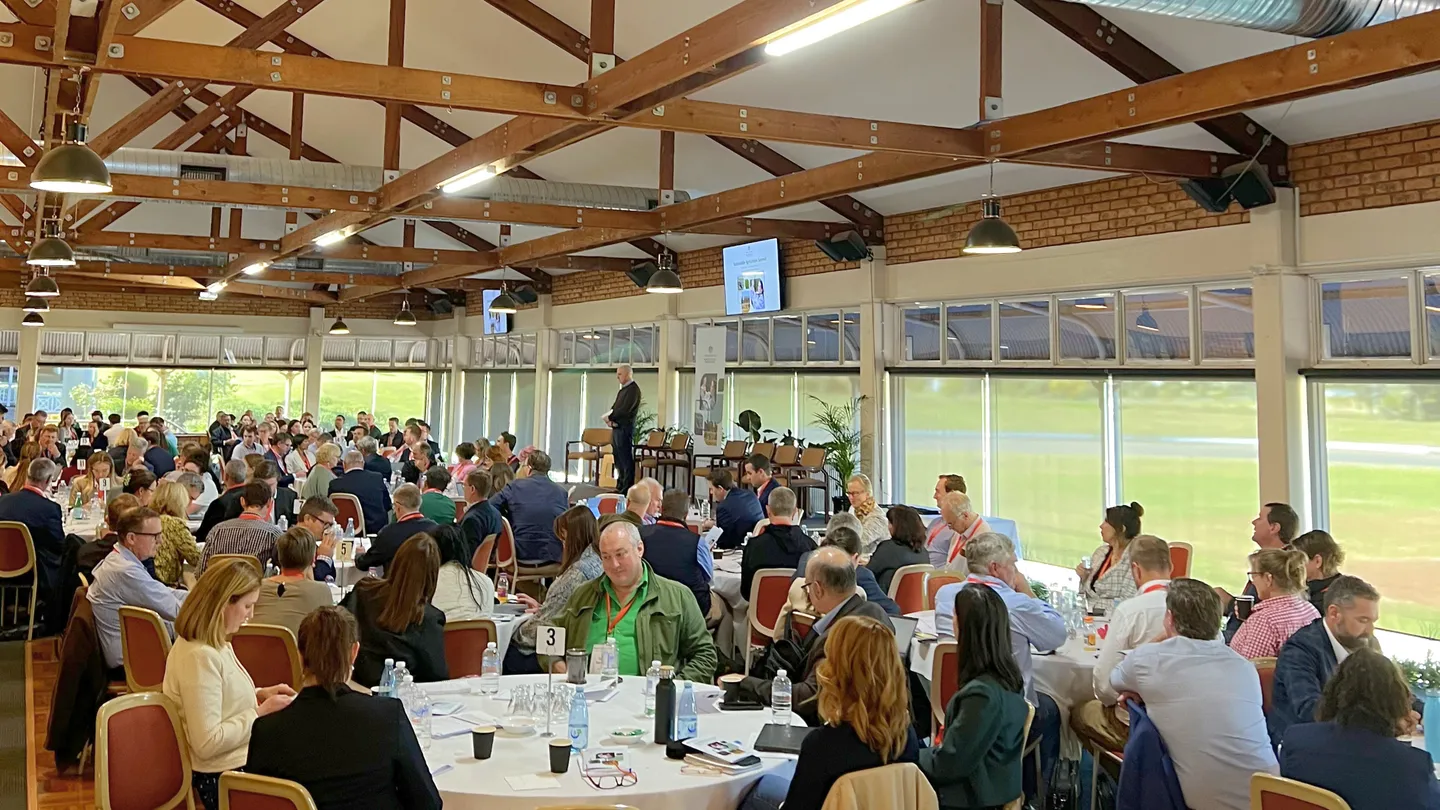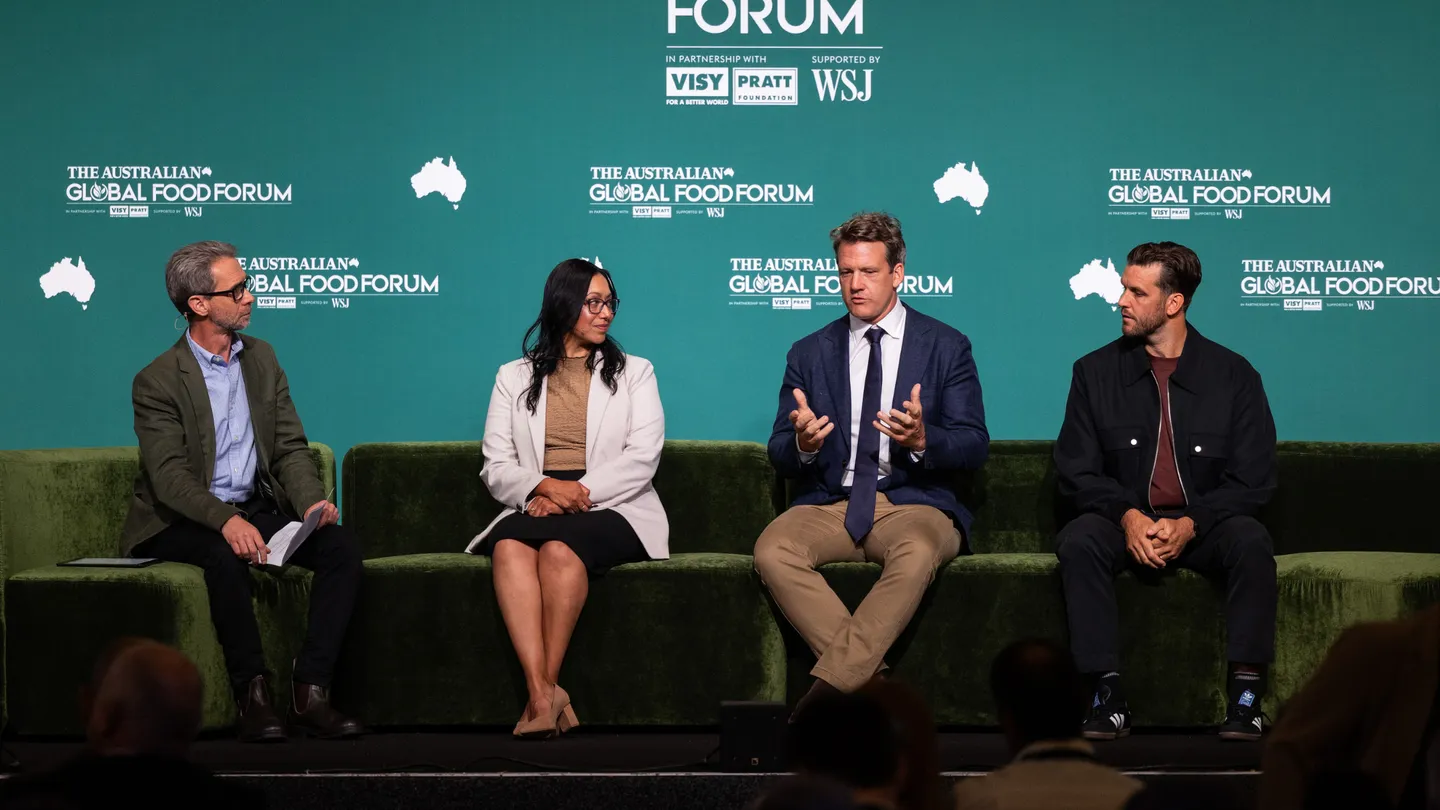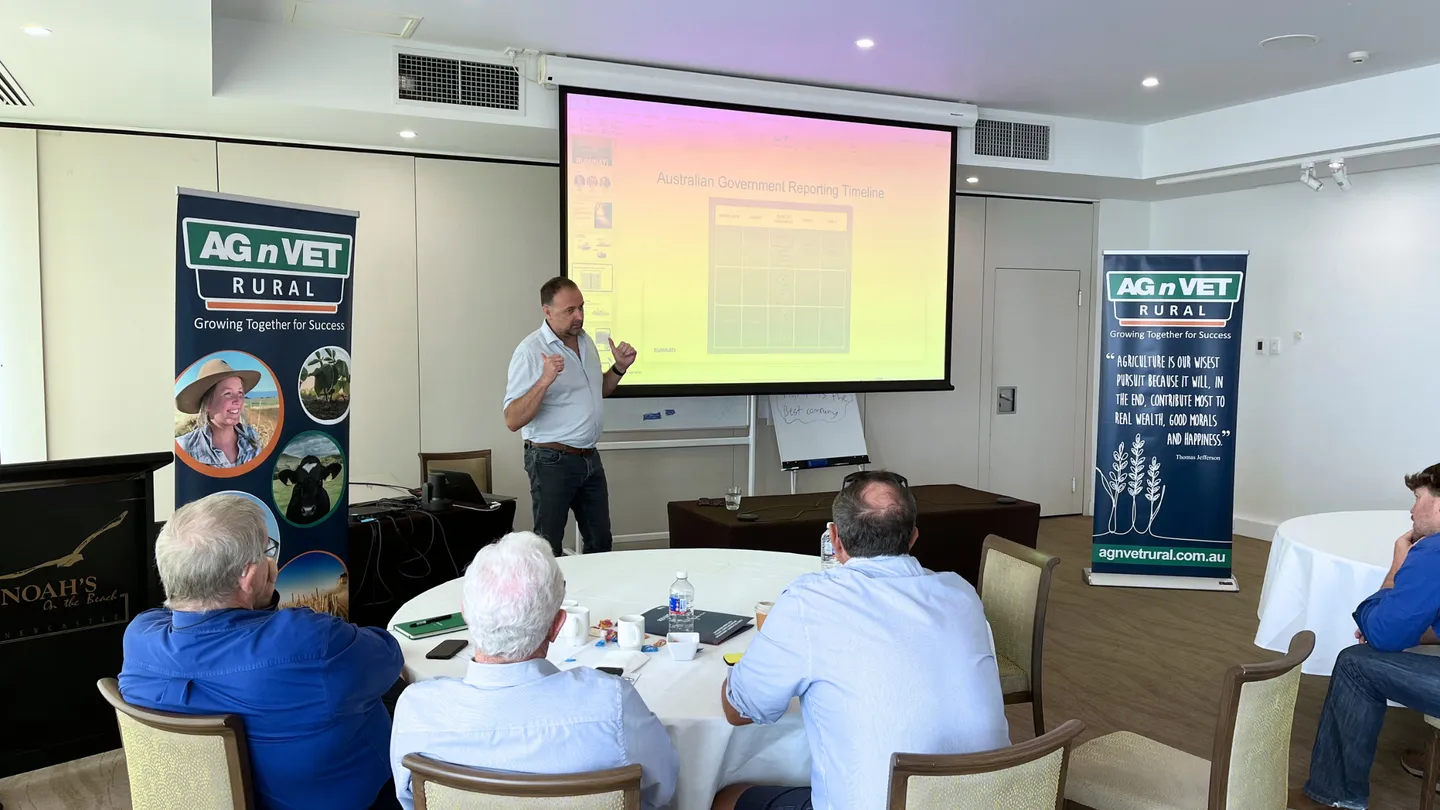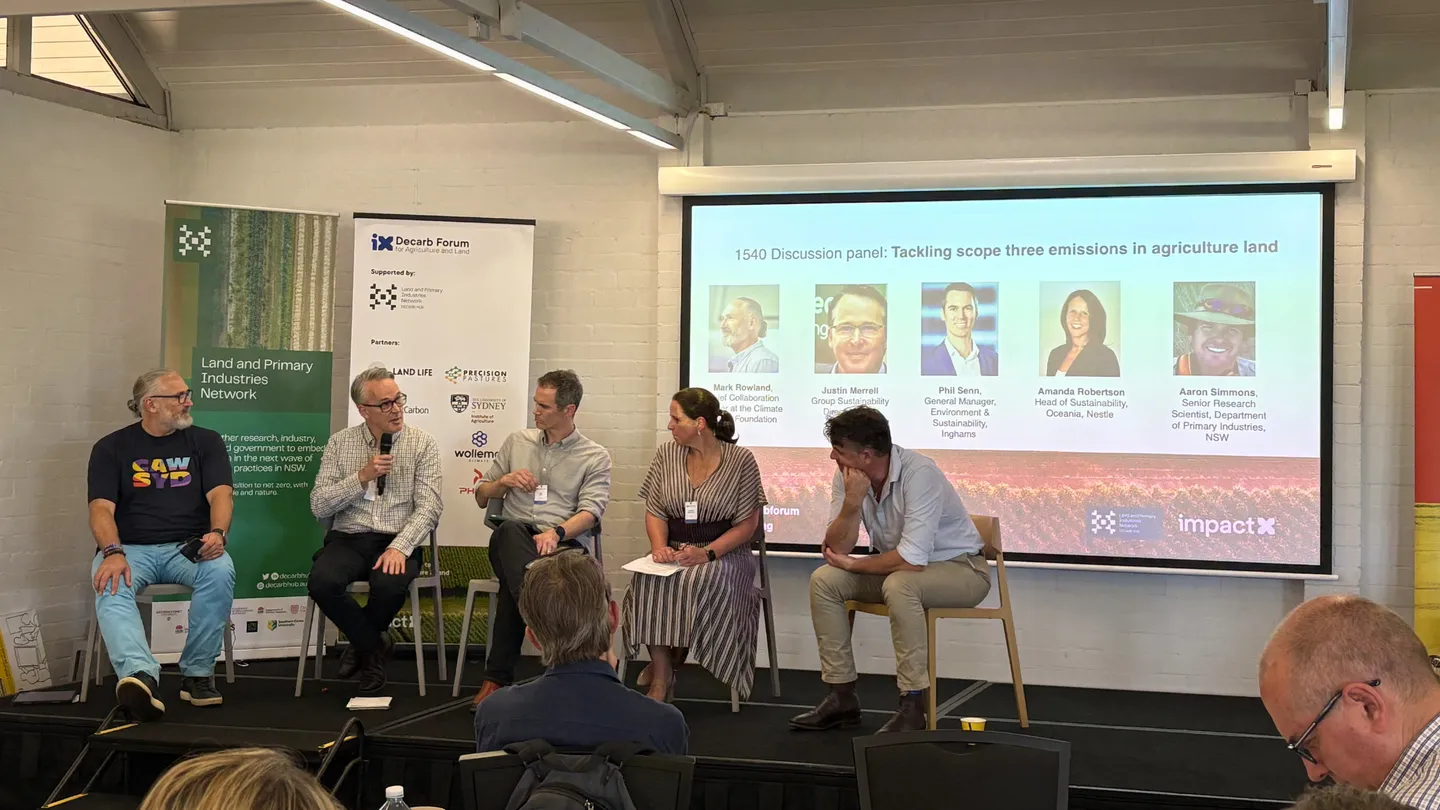
The conditions you work within on the farm, from what a bank asks for to what a buyer needs reported, are shaped well before they reach you, and a good deal of that shaping happens in conversations in Canberra and in board meetings. That is a large part of why last week’s event at the National Press Club was useful, since it isn’t a typical venue for agricultural conversations. Peter Leihn and Bobby Miller were there, courtesy of Commonwealth Bank, for a program that brought farming and finance together with policy in a setting that tends to produce a different quality of discussion than an industry conference.
Agriculture Minister Murray Watt opened with a keynote that set the tone, giving a government perspective on where the sector is heading and what the policy environment is likely to look like over the next few years. For anyone working in agricultural emissions the direction is clear enough, with reporting heading towards standardisation and requirements set to tighten, and the businesses and producers who have been building their capability are going to be better placed than those who haven’t.
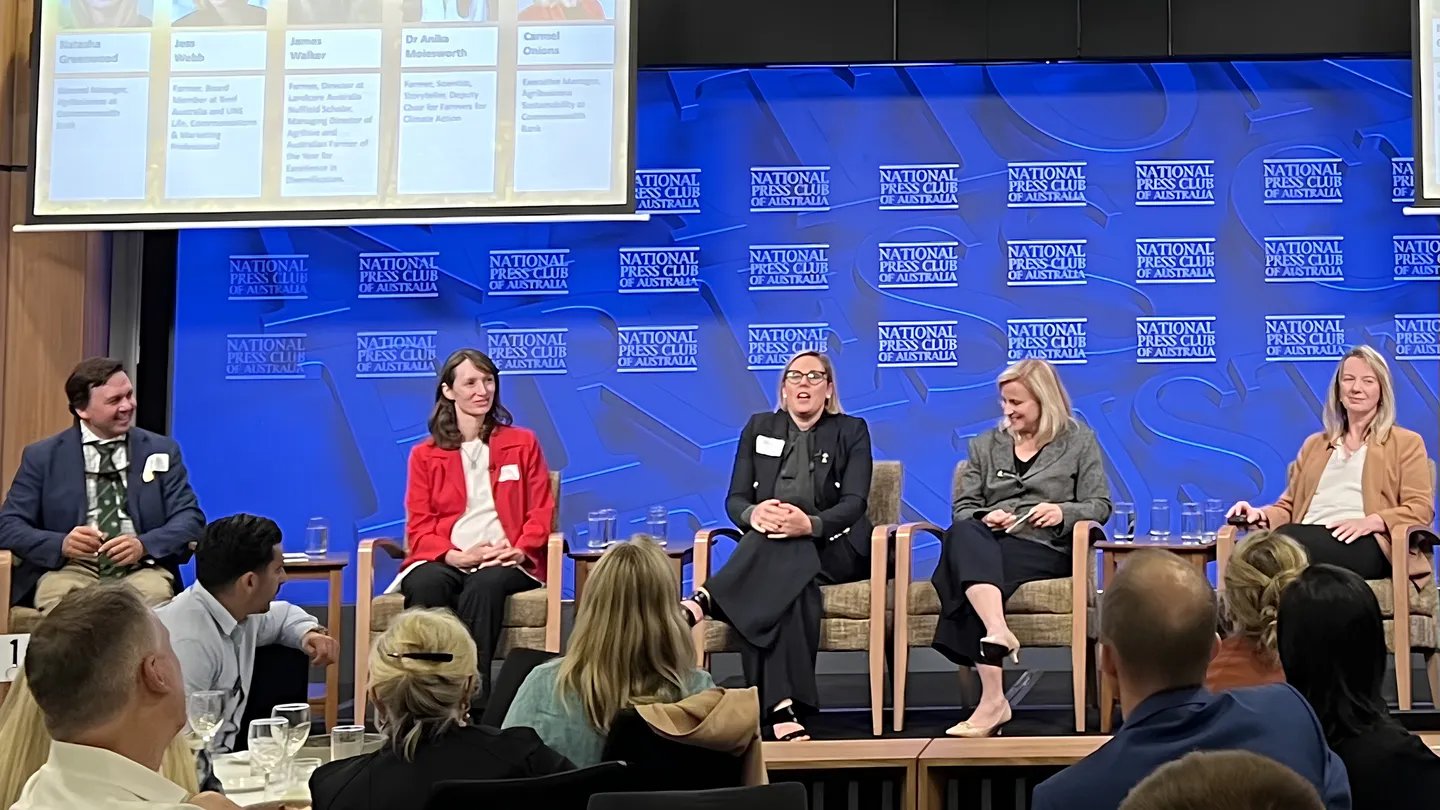
The standout session of the day was a joint CommBank and Landcare Australia panel on Nurturing Farming’s Future, featuring Natasha Greenwood, Jess Webb, James Walker, Anika Molesworth and Carmel Onions. Each of them brought a different perspective, covering finance, extension, production and policy, and together they made for a substantive conversation about what support for Australian farming needs to look like as expectations around emissions and reporting evolve. The CommBank team also mentioned Ruminati during the panel, which was a welcome bit of recognition for the work being done.
Days like this are useful for a different reason than a field day or a producer event, because the conversations in Canberra and in board meetings shape the conditions that producers are working within. Staying connected to them, by understanding where policy is heading and what financial institutions and major supply chain partners expect, is part of how Ruminati stays useful to the producers it’s built to serve.