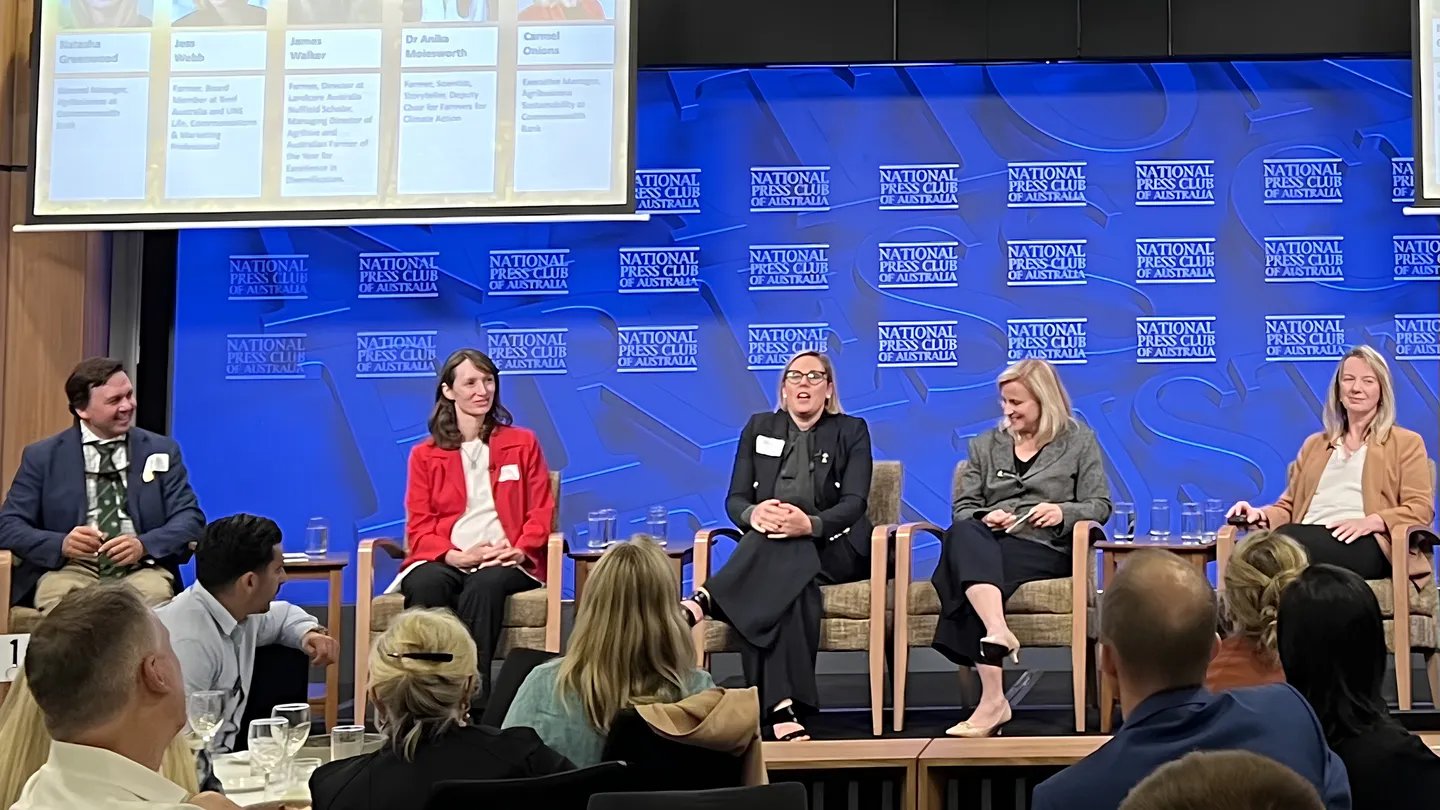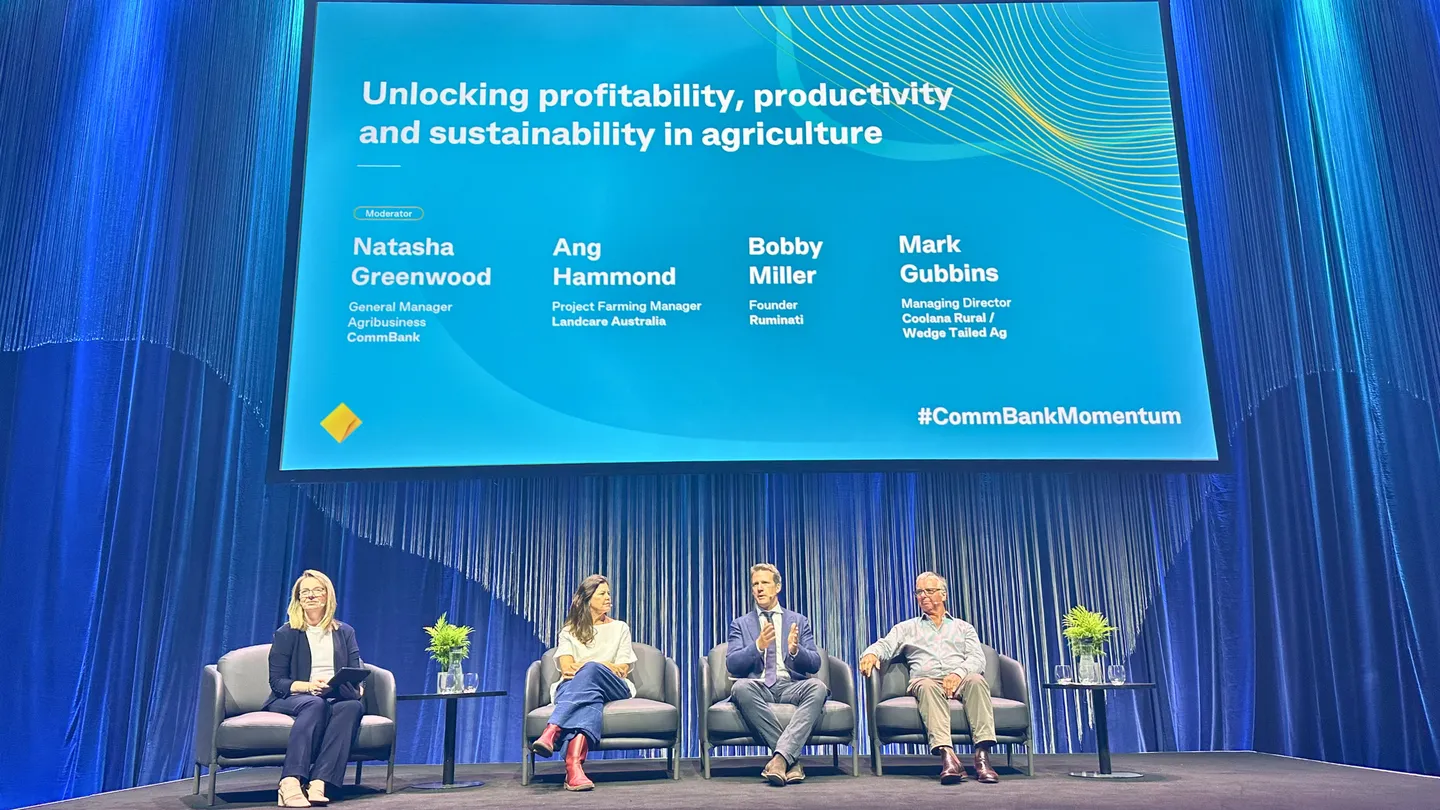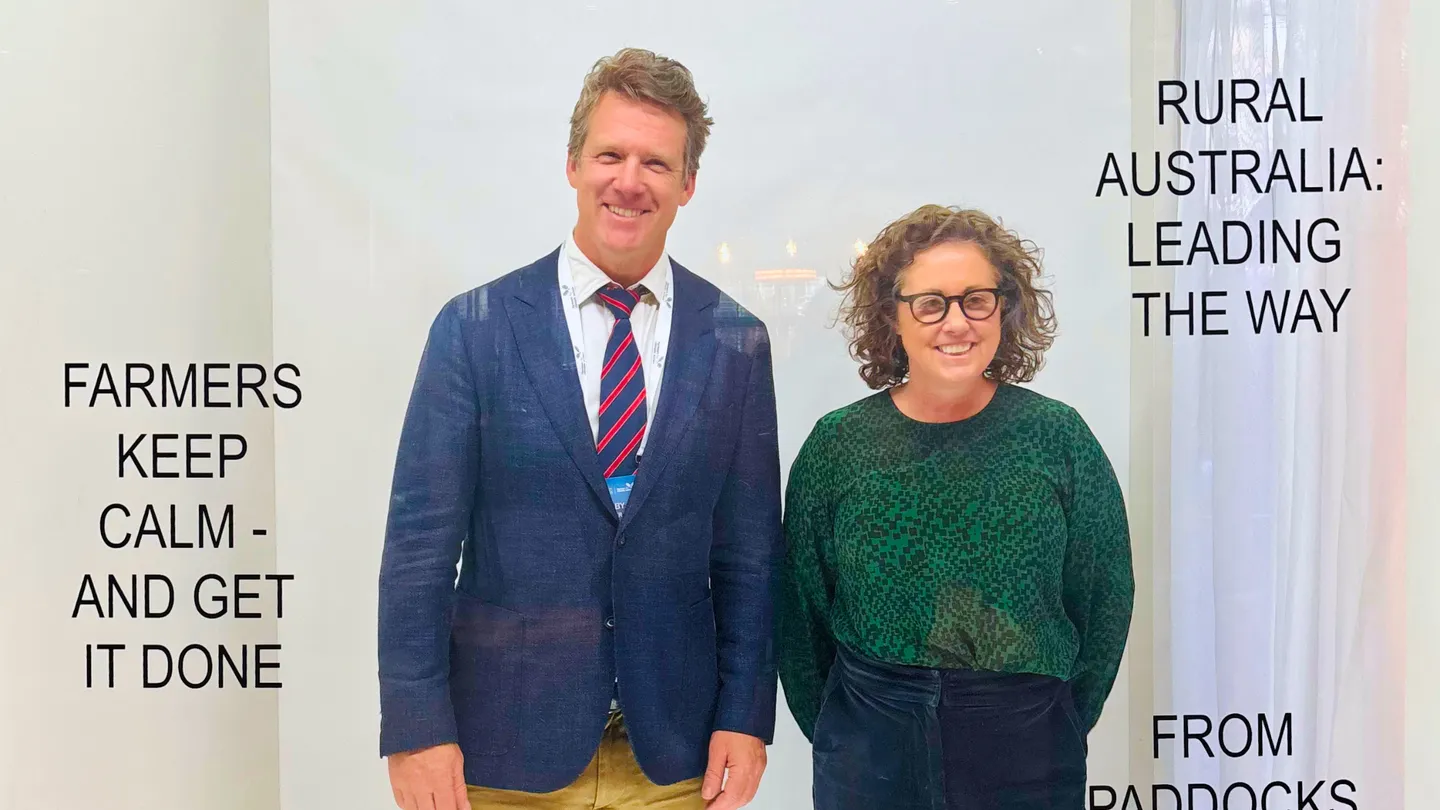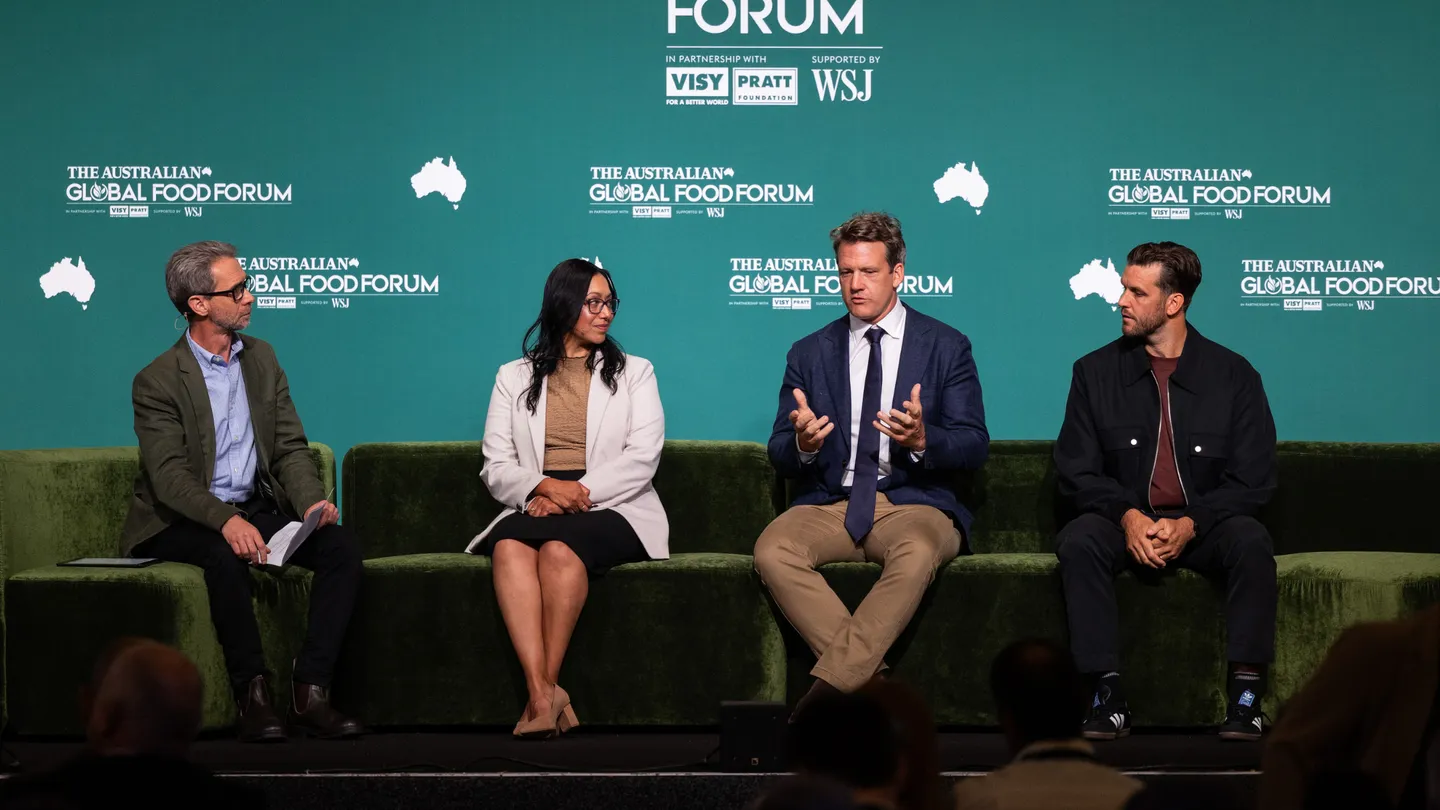
It is an old line in business that you cannot manage what you cannot measure, and Ruminati CEO Bobby Miller applied it to farm emissions when he joined a panel at The Australian’s Global Food Forum in Melbourne, alongside Natalie Collard from Farmers for Climate Action and Mike Brabant from Single O. The conversation was about what emissions data means for farm businesses, the panel sessions were broadcast live on Sky News, and you can watch Bobby’s session back on YouTube.
Bobby’s first point was straightforward, which is that before any business, farm or otherwise, can move toward a lower emissions position, it needs a clear view of its current emissions. “The first thing that any company or producer needs to do when they’re moving to a lower emissions, more sustainable position is to understand where they’re starting from,” he told the panel. Knowing where you stand is also what lets a producer see progress against their own earlier years.
From there the conversation moved to what has been missing. Plenty of producers are already tracking emissions, because it makes business sense, because supply chains are asking for it, or both, and the gap is incentives and a clear, standardised reference point. As Bobby put it: “You can’t manage what you can’t measure. The government’s been a little bit slow to react to that and come up with an official standard that creates a clear starting point from which all the sectors in ag can manage their emissions.”
Bobby was clear that a standard is only half of the answer and that something has to follow it. “This is happening. By the end of 2026 there’ll be a standard which we can measure from. But then we will need some sort of incentive for farmers to lean in and measure their emissions.” Once everyone has the same ground to stand on, incentives are what make it worth a producer’s while to start before anyone asks.