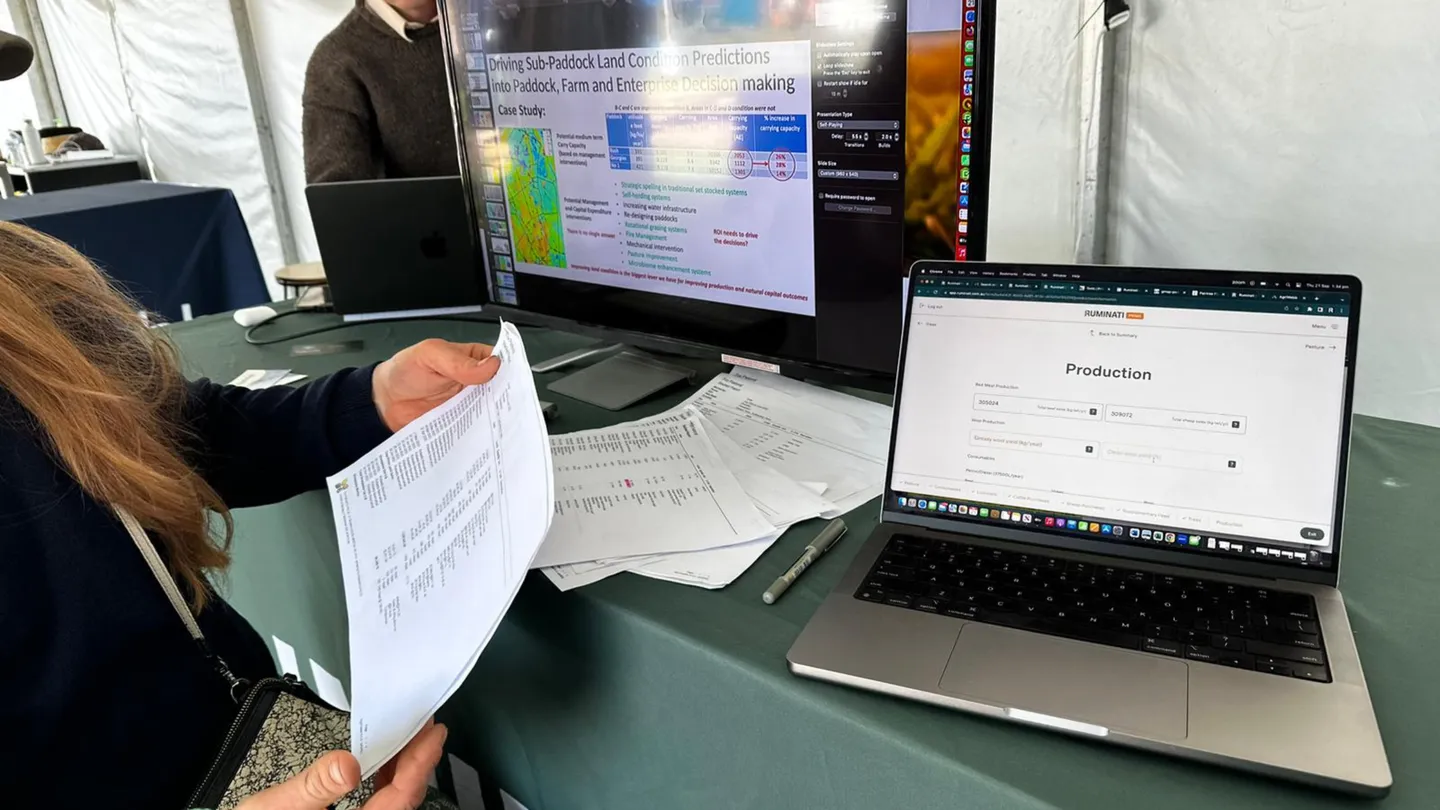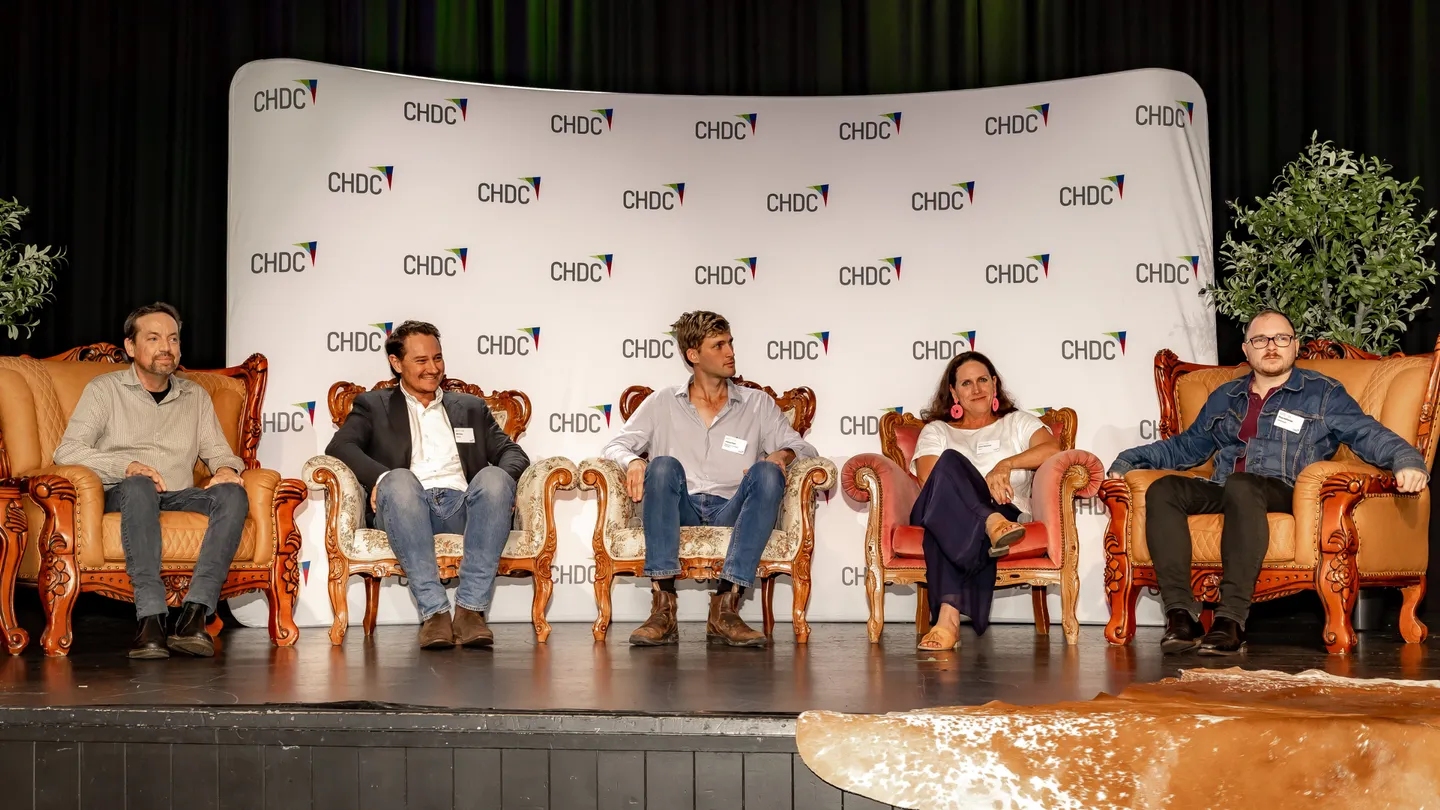
With Australia’s new emissions reporting laws in place, the question a lot of producers are asking has moved from “should I be thinking about this?” to “what do I need to do?”, and that was the backdrop when Ruminati co-founder Will Onus joined the Carbon Tech Fusion panel at AgTech24 in Emerald. The event was hosted by the Central Highlands Development Corporation and brought together producers, advisors and innovators to work through what the next chapter of agriculture in the region looks like, in a part of Central Queensland that has never been short on ambition.
Will was on the panel alongside Claire Mahony from Austa Co, Rhys Heffernan from Carbonaught, Ben Hayes from the Zero Net Emissions Agriculture CRC and Josh Peart from the Queensland Department of Agriculture and Fisheries, and the panel’s position was consistent. Compliance sets the minimum, and the producers who engage with their emissions data seriously, by tracking inputs, understanding where emissions come from and building up a record over time, end up with something useful for managing their business whatever any reporting obligation asks of them.
Emissions intensity is a good example of that, being the relationship between how much a business produces and how much it emits to produce it, which makes it a proxy for efficiency with clear commercial relevance, and supply chains and financiers are increasingly looking at it the same way. A producer who knows their intensity is reading the same measure that the people they sell to and borrow from are starting to read.
For producers in the Central Highlands managing diverse enterprises across cropping, grazing and mixed systems, the tools available have improved significantly, so the technology is there to be used. The challenge now is making sure it is practical enough that people reach for it, which is a fair test for any tool in a region that has plenty of ambition and a habit of getting on with things.