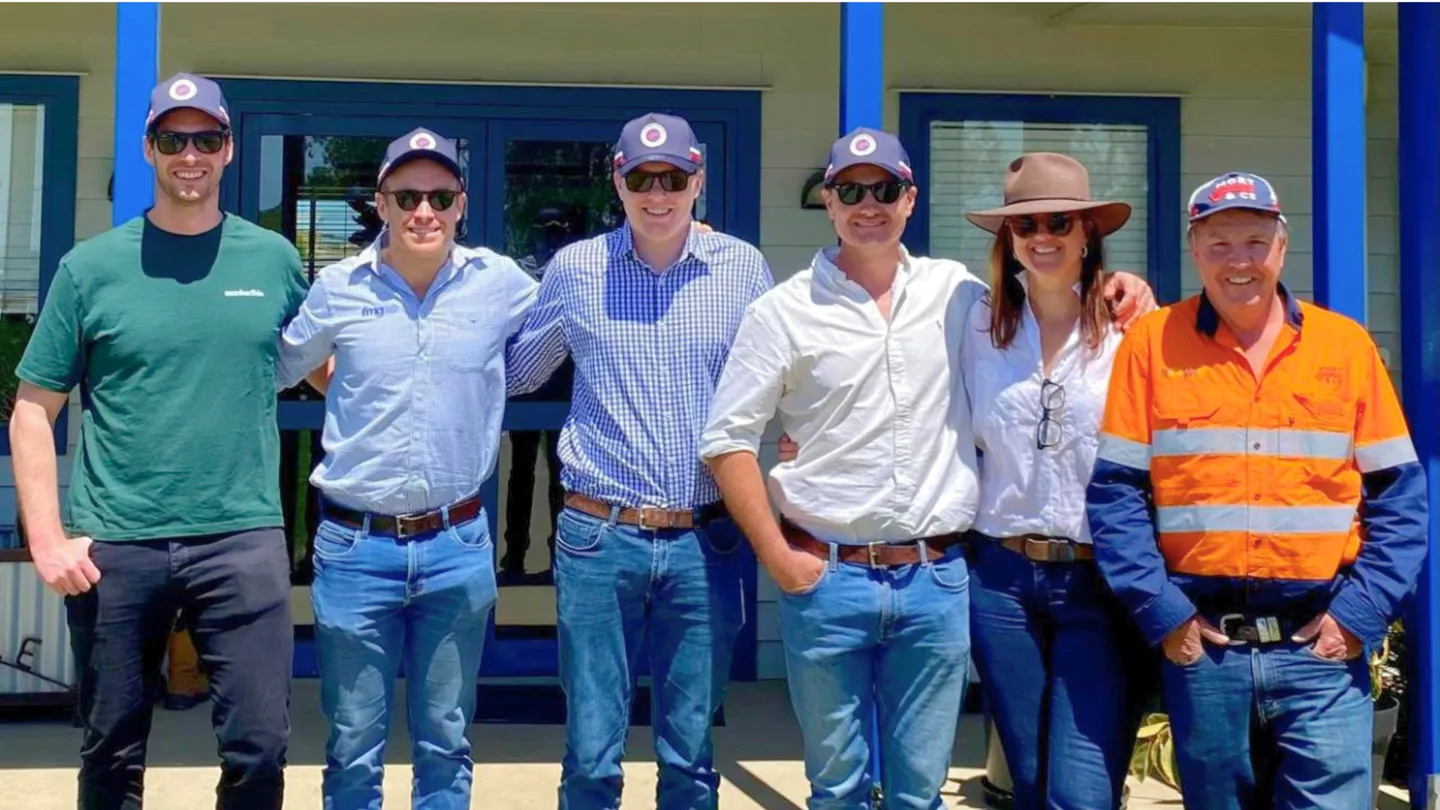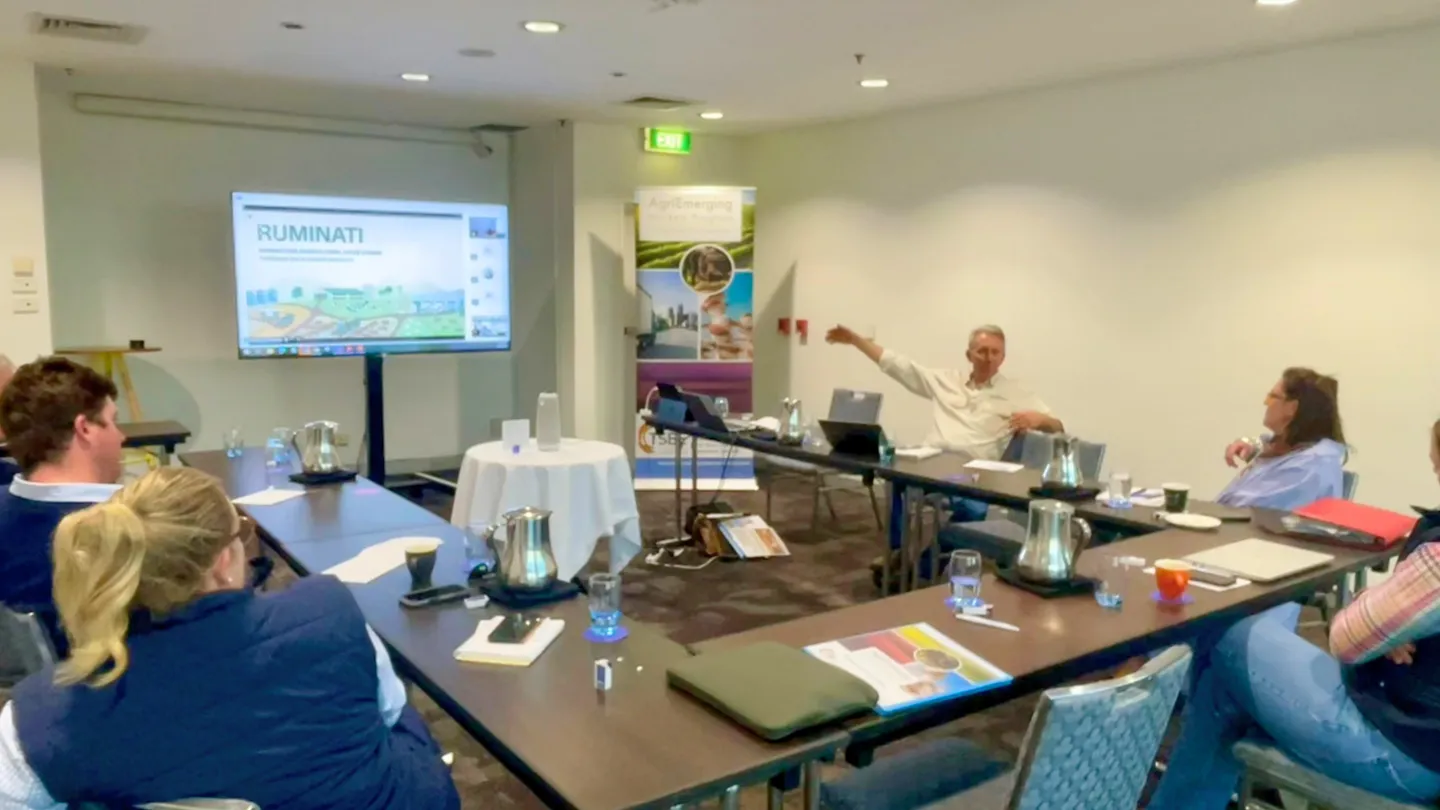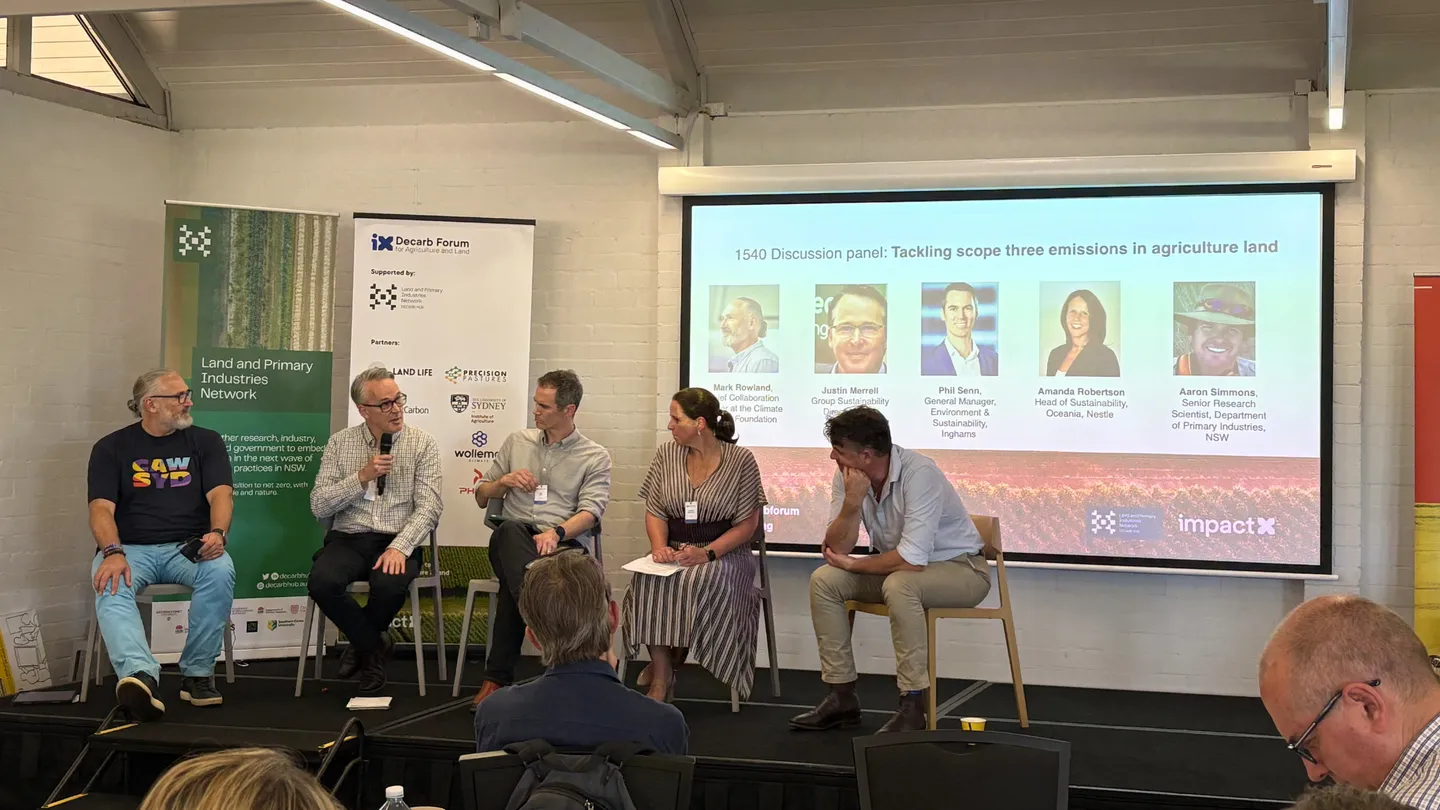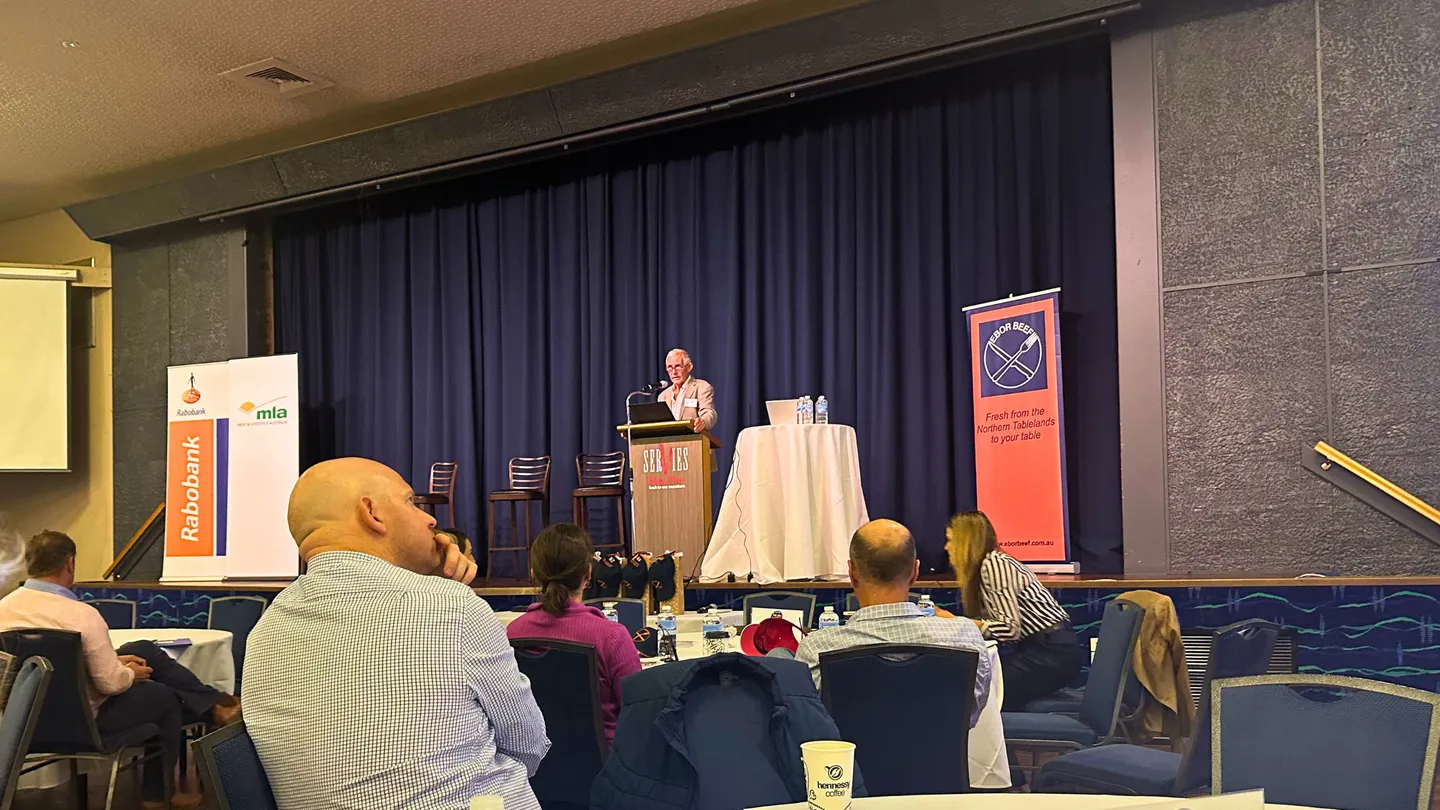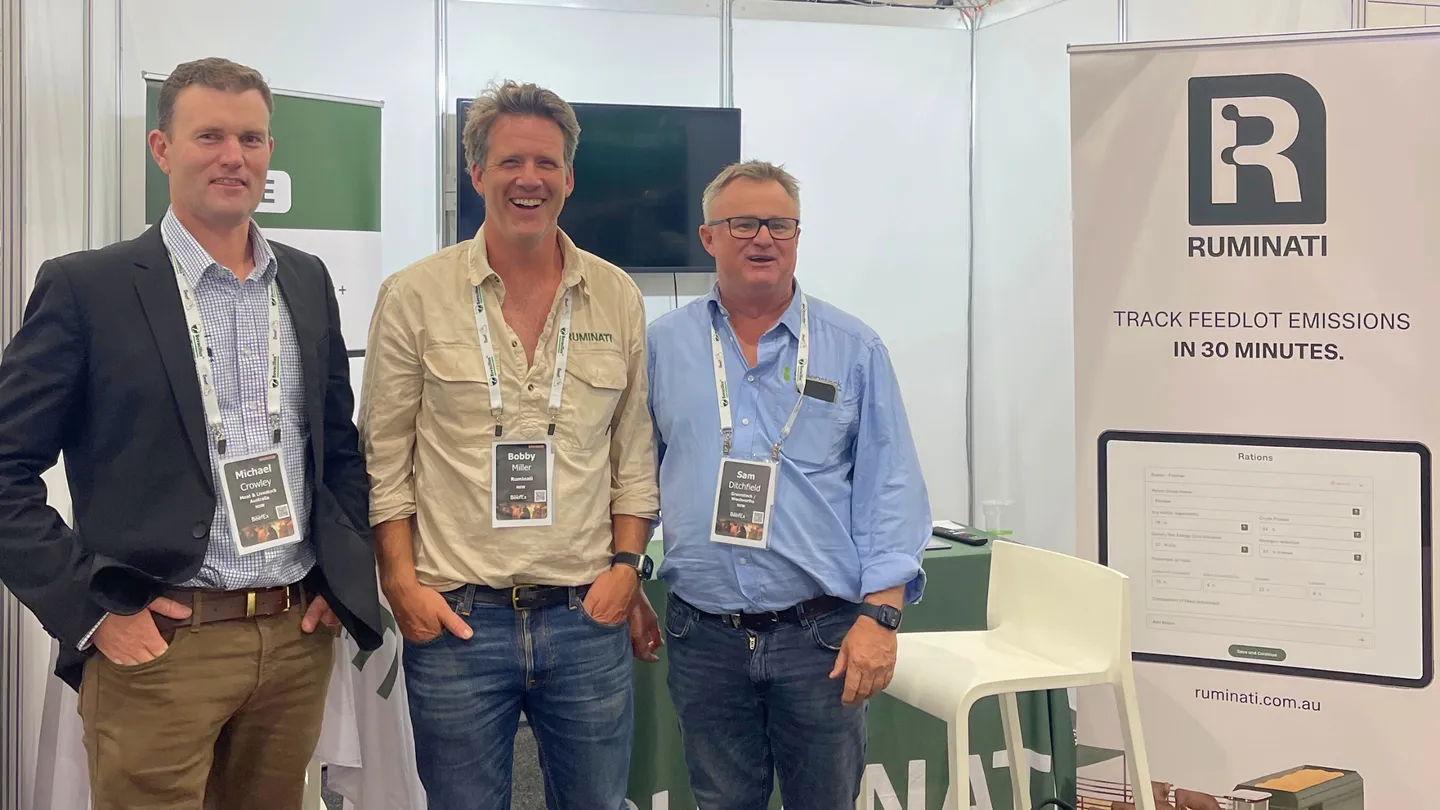
People who go to BeefEx in Brisbane usually come away with a long list of conversations to follow up, and the two days the Ruminati team spent on the trade show floor and in the sessions this year were no exception. The attention on emissions tracking was hard to miss, and a good part of the reason is that new reporting legislation has sharpened the focus right across the supply chain.
Feedlot operators in particular are increasingly aware that their emissions data is going to matter, both for their own reporting and for the processors and retailers downstream, who have reporting of their own to produce and rely on the data coming from the feedlots supplying them. That makes it worth knowing the figures before anyone asks for them, and who sees them remains the operator’s decision. The offer of one year’s free access to Ruminati PRIME seemed to land well, and the conversations were substantive well beyond it.
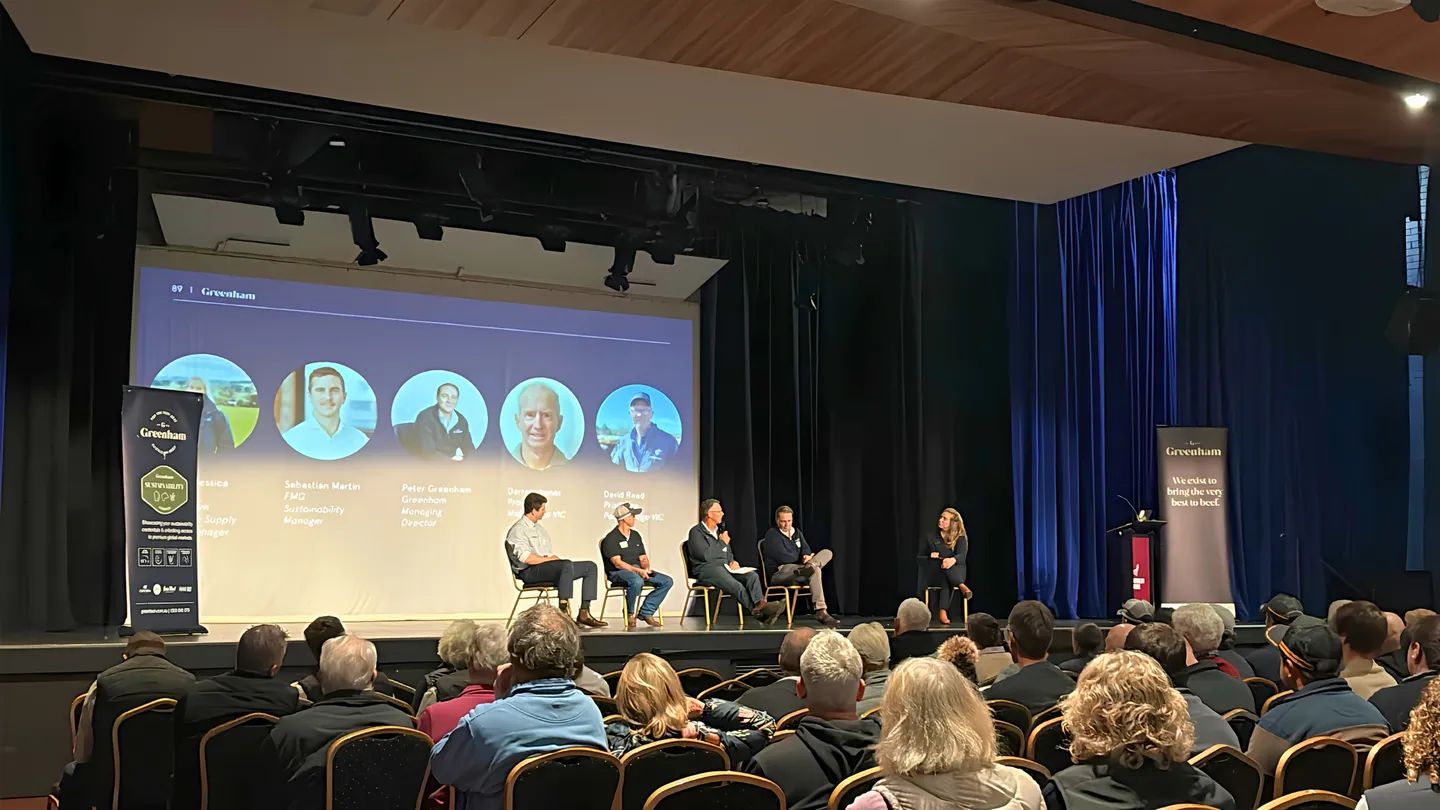
That fits with a point made in the plenary by Darryl Savage of NAPCO, who argued that feedlots are a testing ground for innovation across the whole industry. Feedlots operate at a scale and with a level of data capture and management sophistication that most farm businesses cannot match, which makes them a natural starting point for understanding what emissions measurement looks like in practice and what drives reductions.
David Brown is a good example of that argument at work, and congratulations go to him on winning the Outstanding Industry Service award, with his work on emissions abatement being important to the industry. His approach to measuring the emissions from his feedlot through Ruminati and Greenstock is the kind of practical, producer-led progress the industry needs more of, and in a space that is moving quickly, the willingness of operators to engage with it seriously is encouraging.