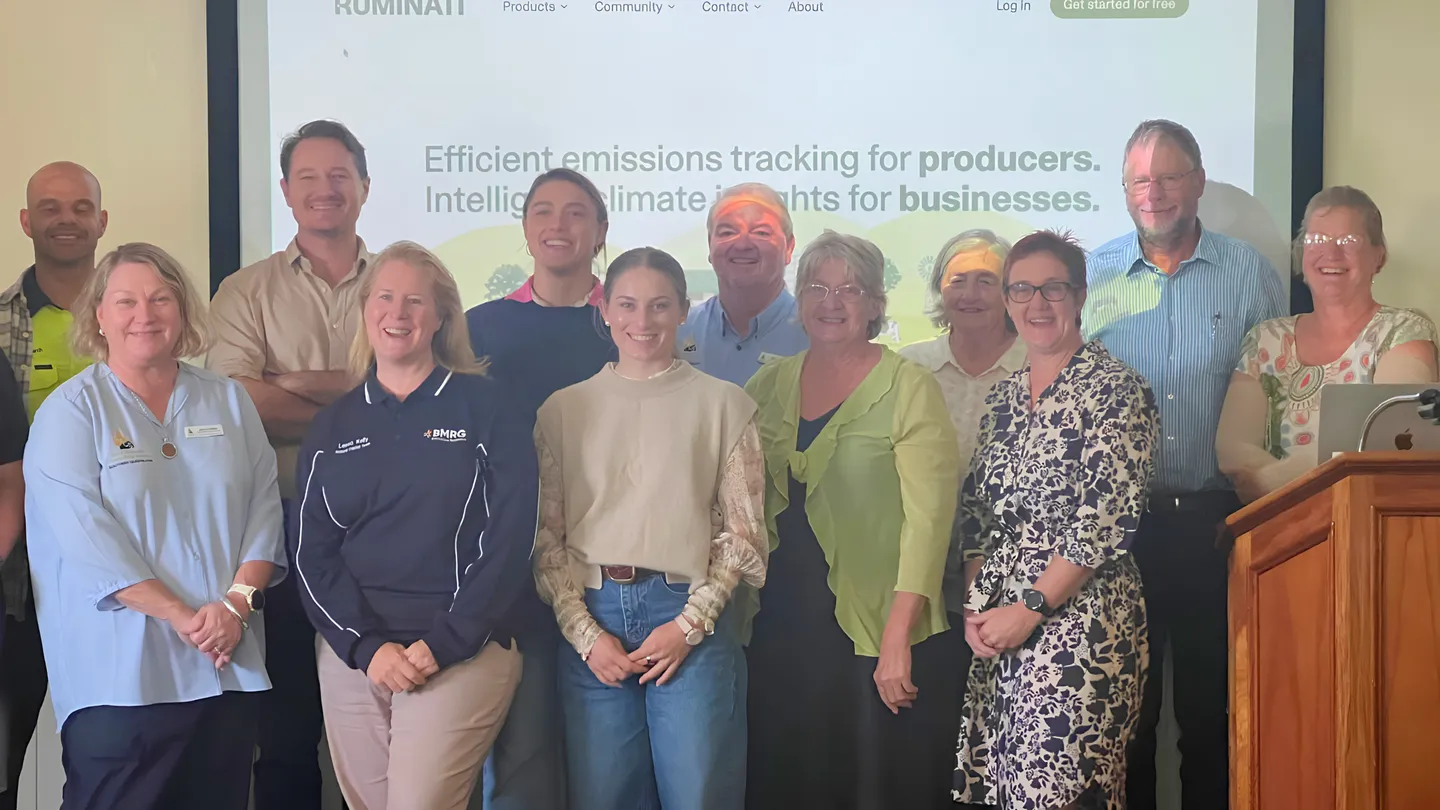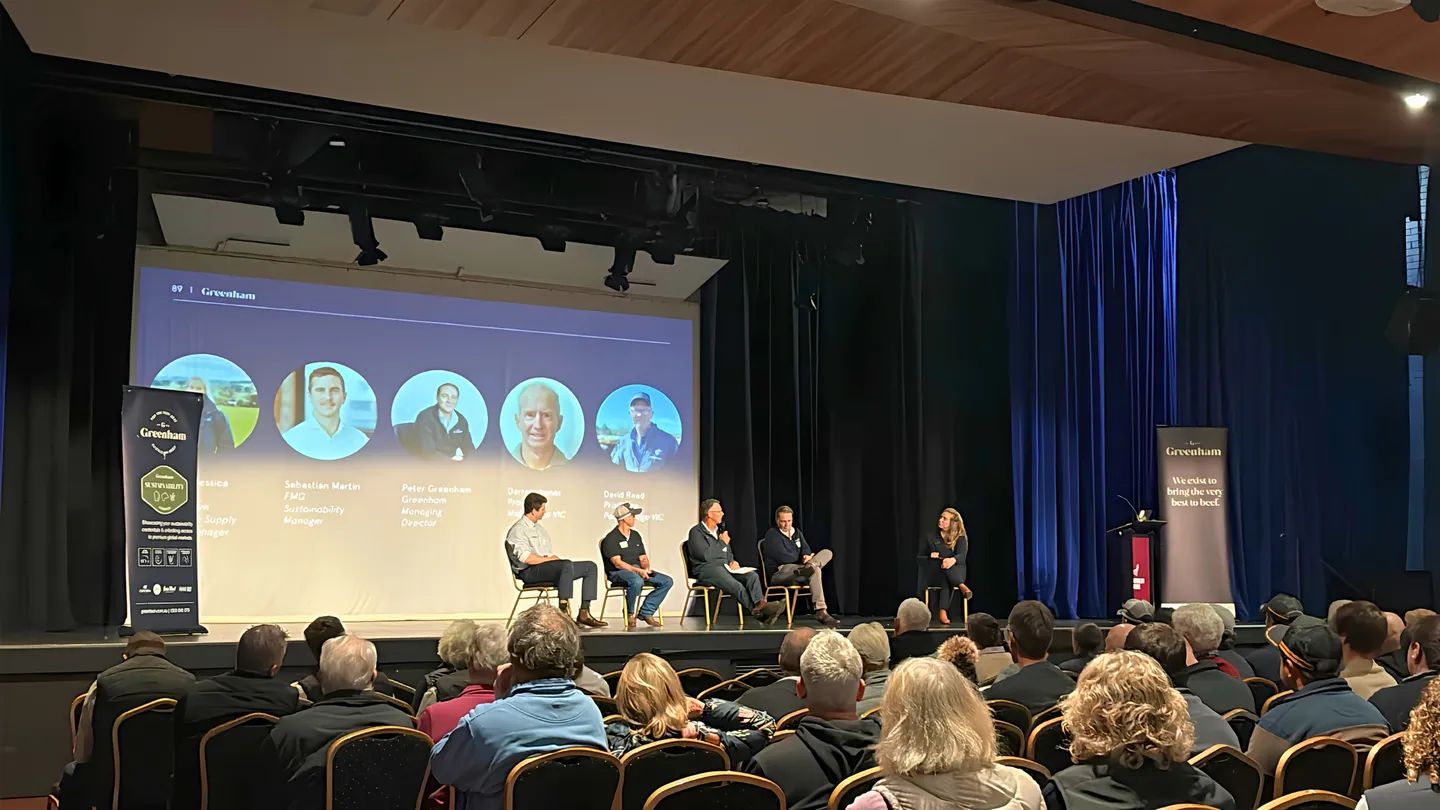
Once cattle leave the farm, what happens to the beef is a long way out of a producer’s sight, and the people buying it overseas have to rely on whatever can be shown to them about where it came from. That was the thread running through the Greenham Gippsland Beef Producer Info Day earlier this week, where Peter Greenham described what is happening in the United States. Greenham’s Never Ever program and its newer RGN brand are winning market share there with beef that is verified and traceable, and the reason he gave is that buyers are choosing it on trust and traceability, with marketing playing little part.
That puts the weight on evidence, and some of the evidence starts as the records a producer keeps on the property. A buyer who is going to trust a piece of beef needs something behind it, and the further the beef travels from the farm the more that something matters. A few years ago the question of how beef was produced came up occasionally. In the markets Greenham is selling into it is now part of what decides whose beef gets bought, which is why it landed differently with a room of producers who sell into those supply chains.
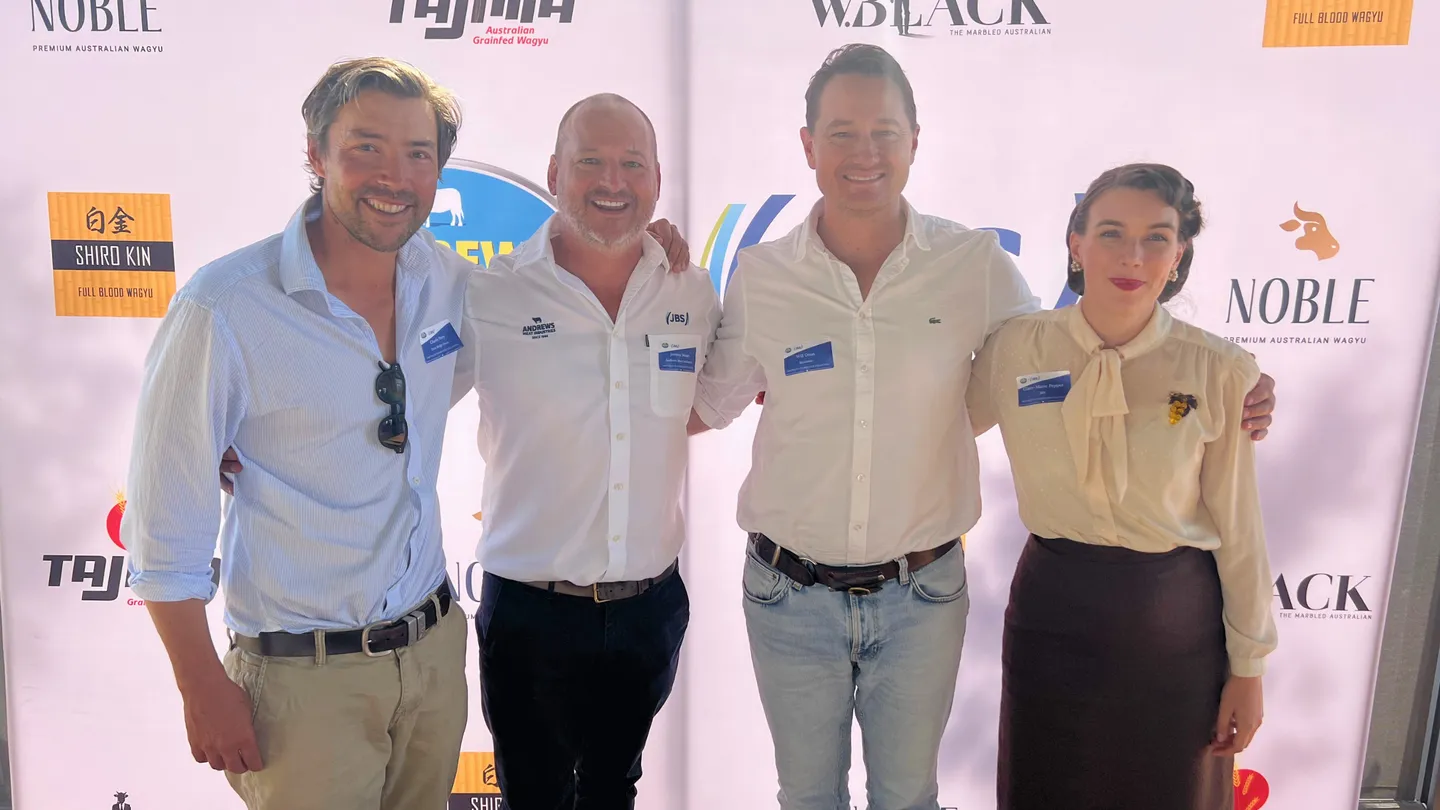
Ruminati Customer Engagement Lead Bill Findlay spent the breaks between sessions talking with producers, and as a producer himself he took away a message the team hears regularly. Understanding your emissions data helps you stay in the running in markets that move quickly, and it has you ready for when a buyer or bank asks. The records behind that data are the ones you already keep for the business, such as livestock numbers and inputs, so the starting point is usually closer than it looks.
The room also had Commonwealth Bank, NAB, FMG Global and GXLab, with Cibo Labs among the others, which is a fair reminder that the question reaches a farm from more than one direction. A producer who has worked out the farm’s own figures first can answer each of them on their own terms, which is a useful position to be in before the question arrives.