Most producers know their own farm in numbers long before an emissions report asks for them, from how many head are running and what they weigh to the fuel and fertiliser that went on over the year. An emissions report takes those same records and turns them into a figure, and the step in the middle that does the conversion is called an emissions factor. If you have ever compared notes with a cattle producer in another part of the country and found that a similar herd came out with a different livestock figure, the emissions factor is almost always the reason, and the difference is built into how the calculation works.
An emissions factor is a conversion rate. It sets out how much greenhouse gas a particular activity or input produces, usually as an average per animal or per kilogram of weight, and it converts what happens on your farm into a CO₂ equivalent figure that can be tracked from year to year and compared. When you put your livestock numbers into Ruminati PRIME along with the fertiliser and fuel you have used, the emissions factors do that arithmetic in the background.
For inputs like fuel and fertiliser the factors are fairly consistent wherever you farm, so two producers using the same amount of diesel will end up with close to the same figure. Cattle are different, and the variation across the country is meaningful because it follows something you already know well from running stock, which is feed quality.
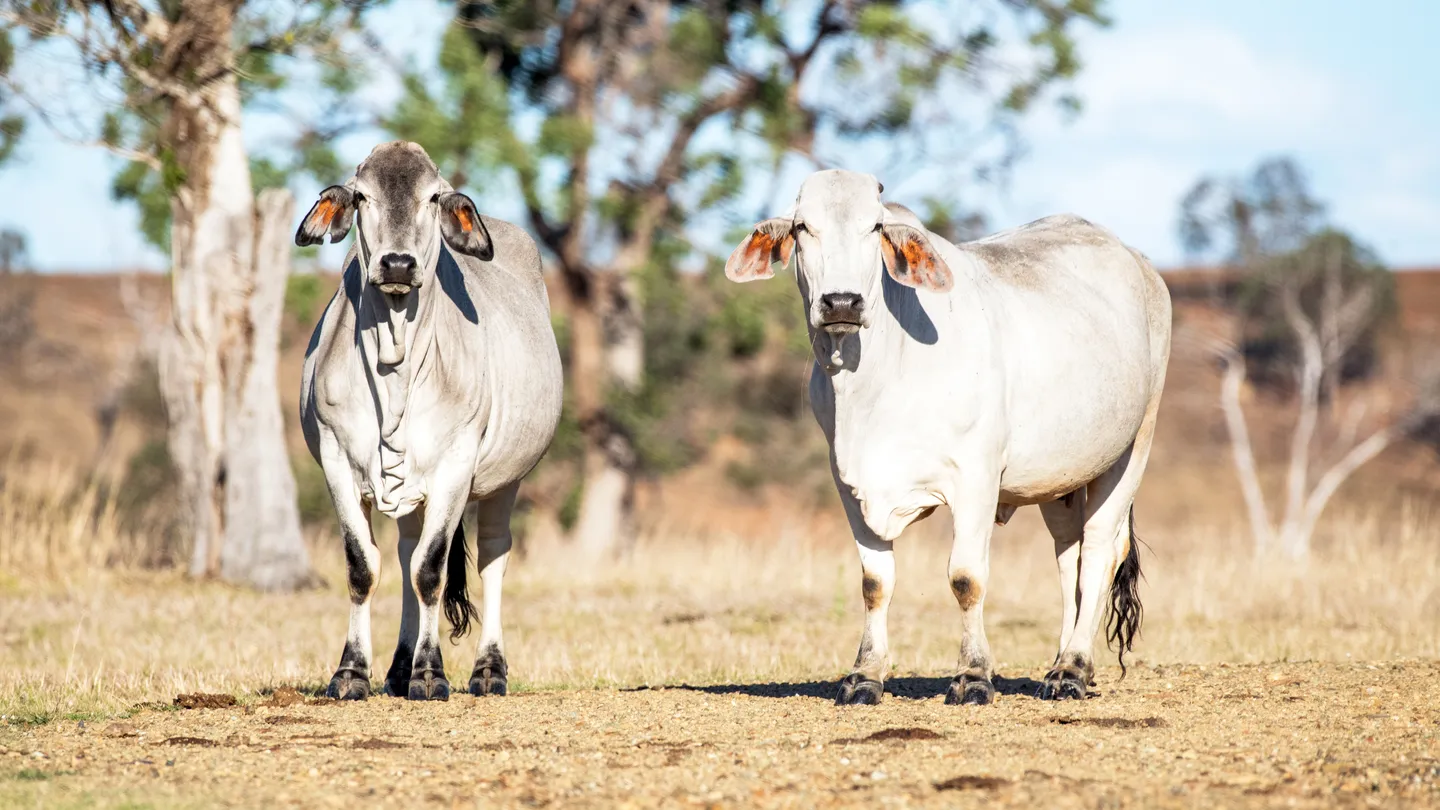
The methane from cattle comes mainly from enteric fermentation, the digestion process, and how much of it an animal produces depends on what it is eating and how hard its system has to work to break that down. Cattle on lush, nutrient-rich pasture in a cooler, wetter region are eating feed that is relatively easy to digest, so they produce less methane per head. Cattle in drier, more arid country are often working through coarser, more fibrous feed that takes more energy to process and produces more methane, even when the herd size and the way it is managed look similar on paper.
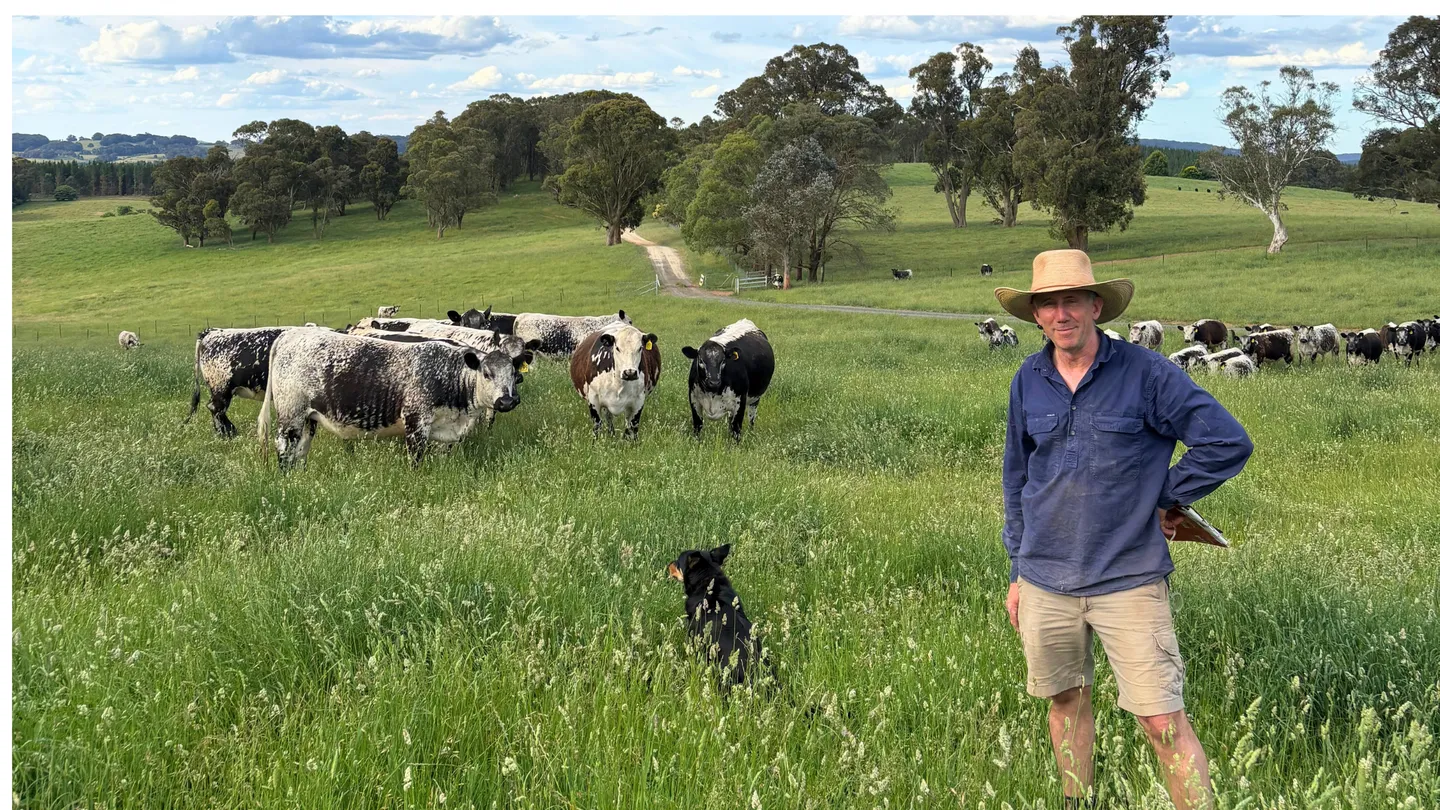
That is why a cattle producer in coastal Victoria and one in western Queensland can end up with quite different emissions intensity figures for operations that look comparable. The regional factor accounts for the difference in pasture quality and digestibility, so the calculation reflects the country your herd runs on in place of a single national average applied to everyone.
When you are reading your own report, the national average is useful context for your emissions intensity, though it covers only part of the picture. Emissions intensity is a read on how efficiently the business turns feed into product, so knowing which regional factor sits behind your livestock figure helps you see how much of any gap between your farm and another comes from the country and how much comes from the way each farm is run. That is where the room for improvement sits.
Ruminati does not set these factors. It draws on local activity data and emissions factors from trusted state and national sources, as well as international ones, and aligns them with the Greenhouse Accounting Framework standard. If you want to go through how your report is put together, you can get in touch with the team or log in to Ruminati to get started for free.