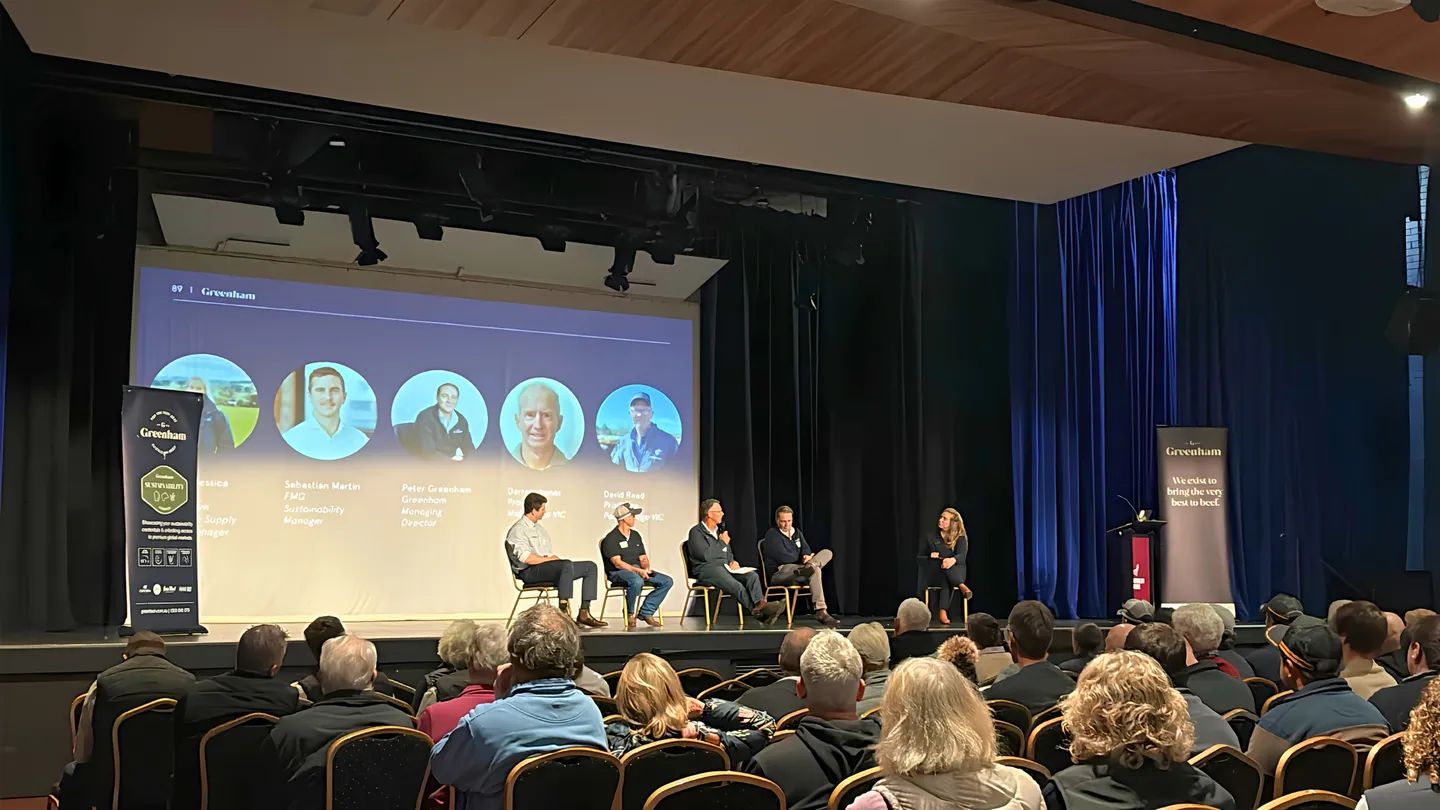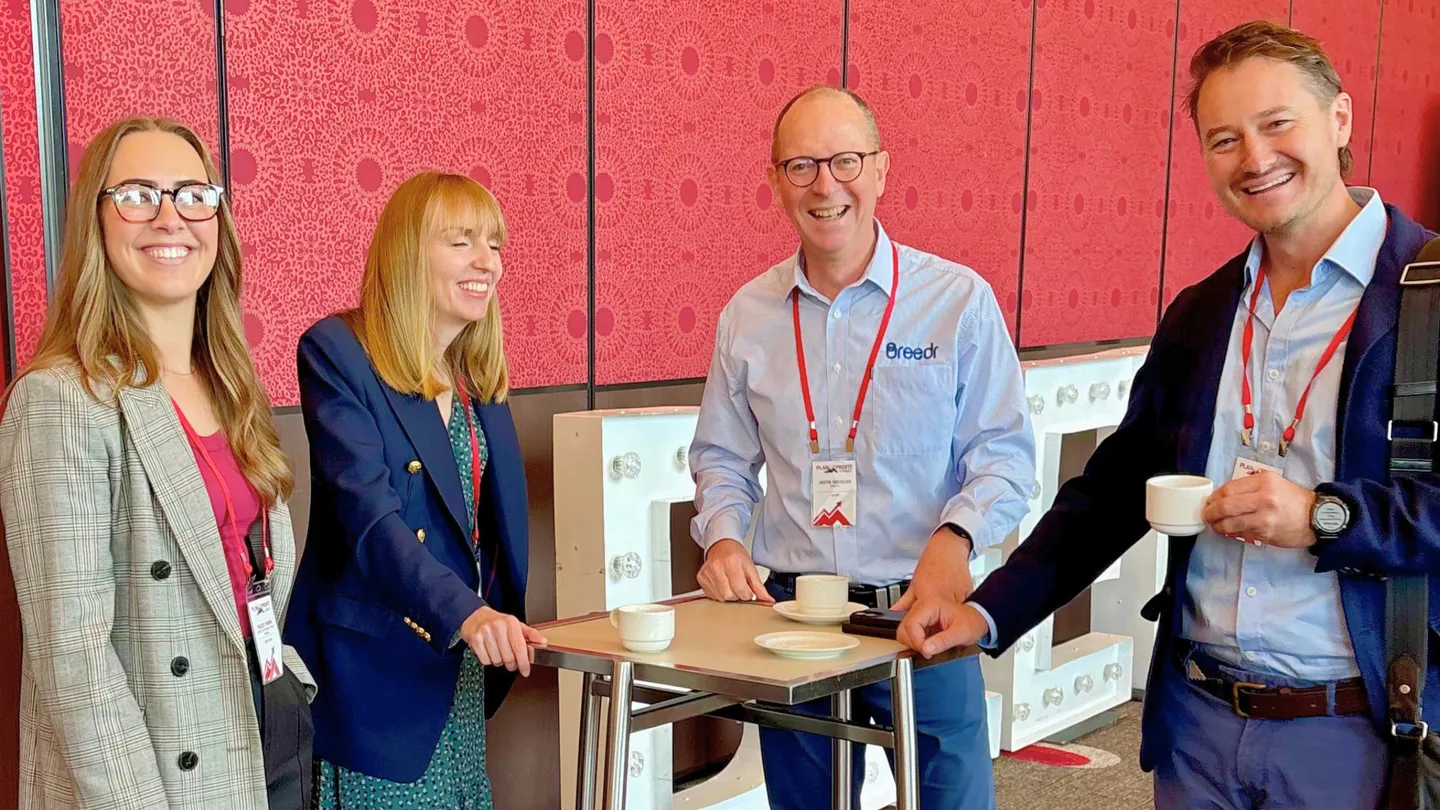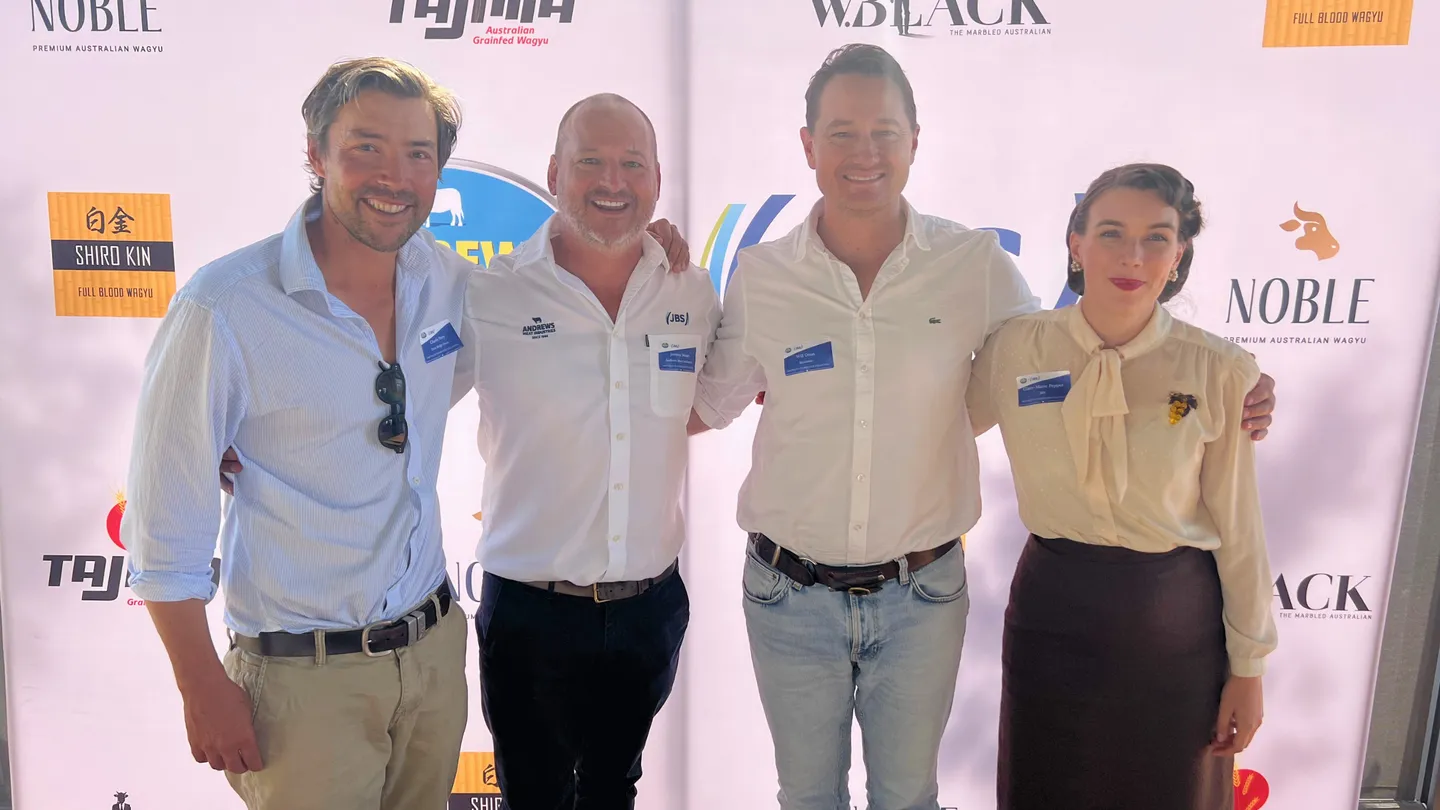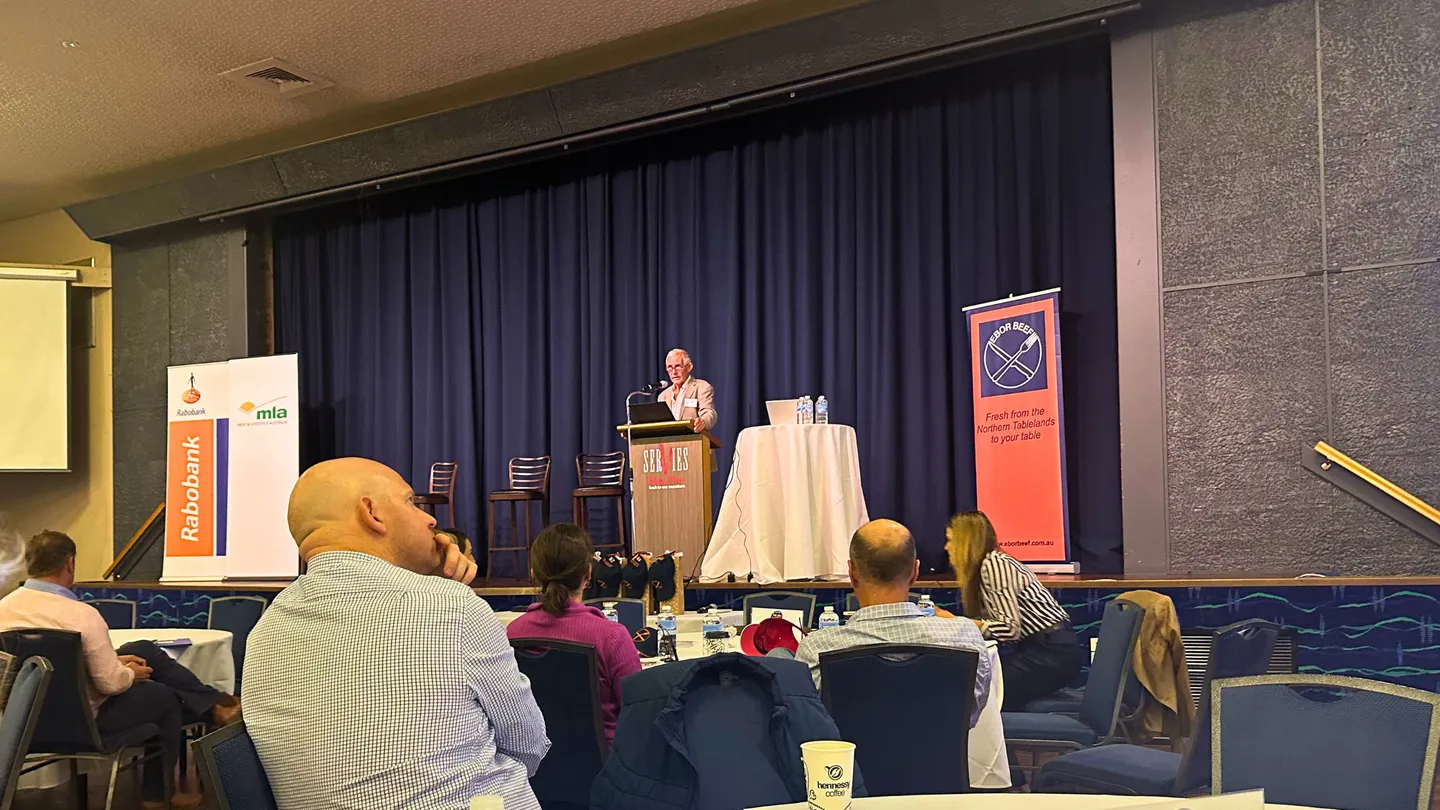
When Greenham piloted its new beef sustainability standard with around 21 producers across southern Australia, most of them found they were already meeting around 80% of the requirements, and that result shaped the way the standard was put together. It was launched in Wangaratta last week in front of over 120 producers and industry experts along with innovators, and our co-founder Will Onus was there to be part of it. One producer summed up the day this way: “Everything in the GBSS is just good management.”
The Greenham Beef Sustainability Standard, or GBSS, has been a few years in the making. It was developed in partnership with producers and customers as well as technical experts in response to growing market demand for transparent environmental credentials. It’s a voluntary on-farm program, so nobody is required to sign up, and it’s structured across three tiers that move from education and planning at tier one through to continuous improvement and carbon neutrality at tiers two and three.
What you’re asked to do is document and demonstrate what you’re already doing on the farm and work out where the gaps are, which is why the pilot result matters for anyone weighing it up. The first question is how much of the standard you’re already meeting, and the main job after that is getting existing practice on record so the gaps become easy to see.
Producers who reach tier two are eligible for a 10 cents per kilogram premium, as well as access to Greenham’s Certified Regenerative on-pack label, and that label is an increasingly valuable credential in export markets like the US, where consumers are actively seeking out grass-fed and regenerative Australian beef and are prepared to pay for it.
The launch event included a session from Jess Loughland on how the standard works in practice and workshop breakouts on carbon, biodiversity, ground cover and farm safety. Michael Taylor from Fulton Market Group joined the panel along with producers Linda and Gary Nankervis and Gavin and Christine Furness, who are part of the T2T project in partnership with McDonald’s, FMG and Ruminati.
From our side, a program with market pull-through and clear producer benefits, with an auditable standard behind it, is the kind of supply chain initiative that makes farm-level emissions data useful in practice. The records you already keep on the farm are what an emissions report is built from, and that is the connection we see to a standard like this one. Congratulations to the Greenham team for getting it across the line.