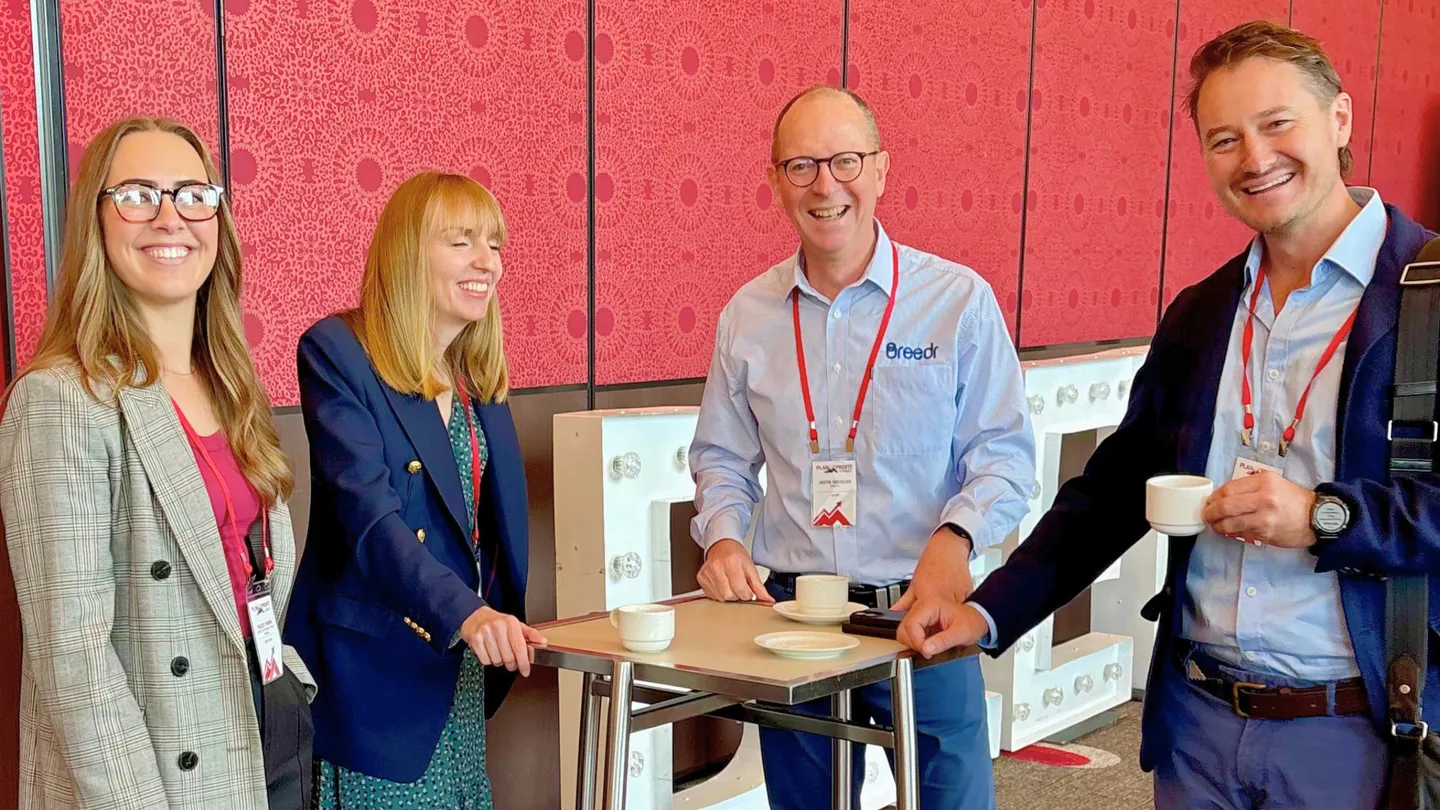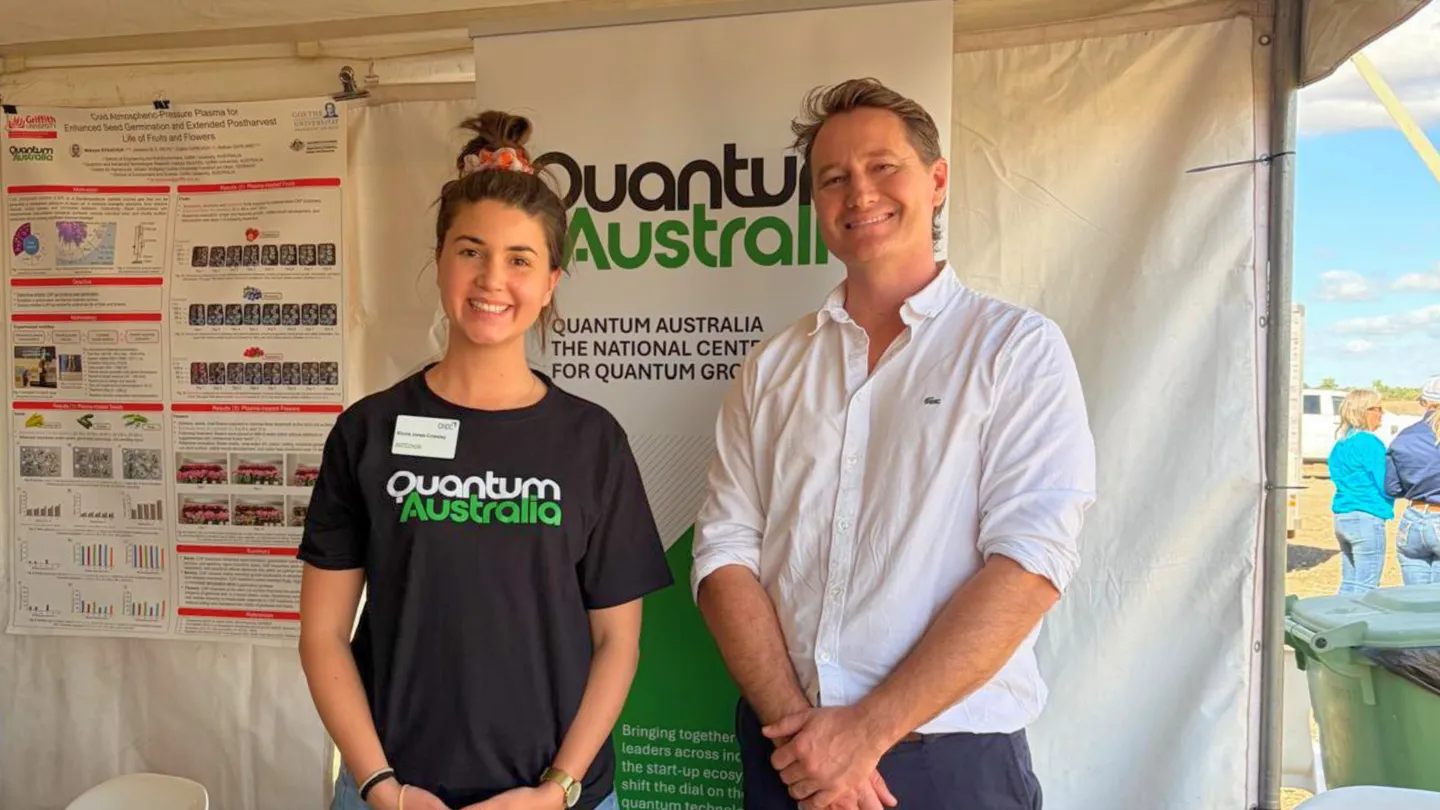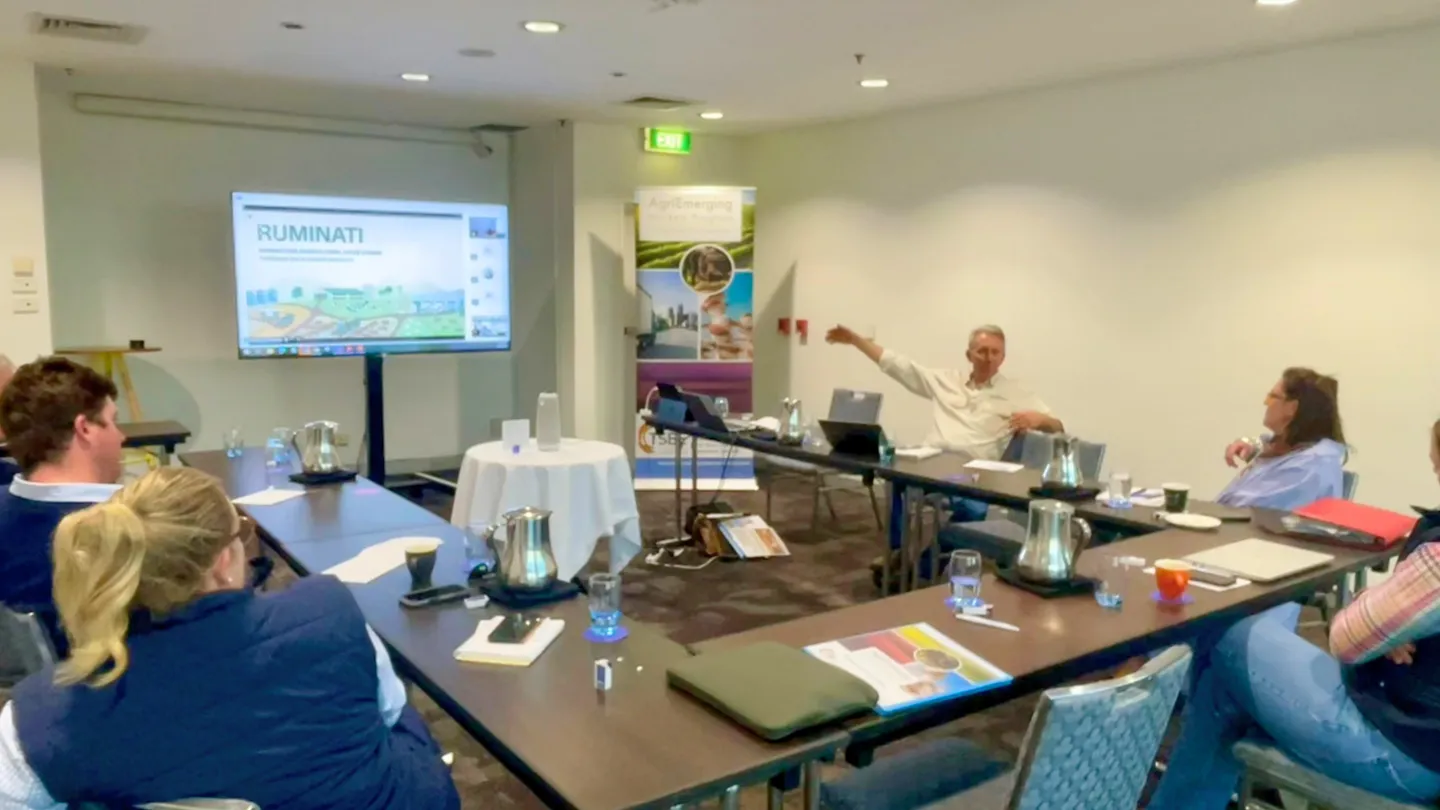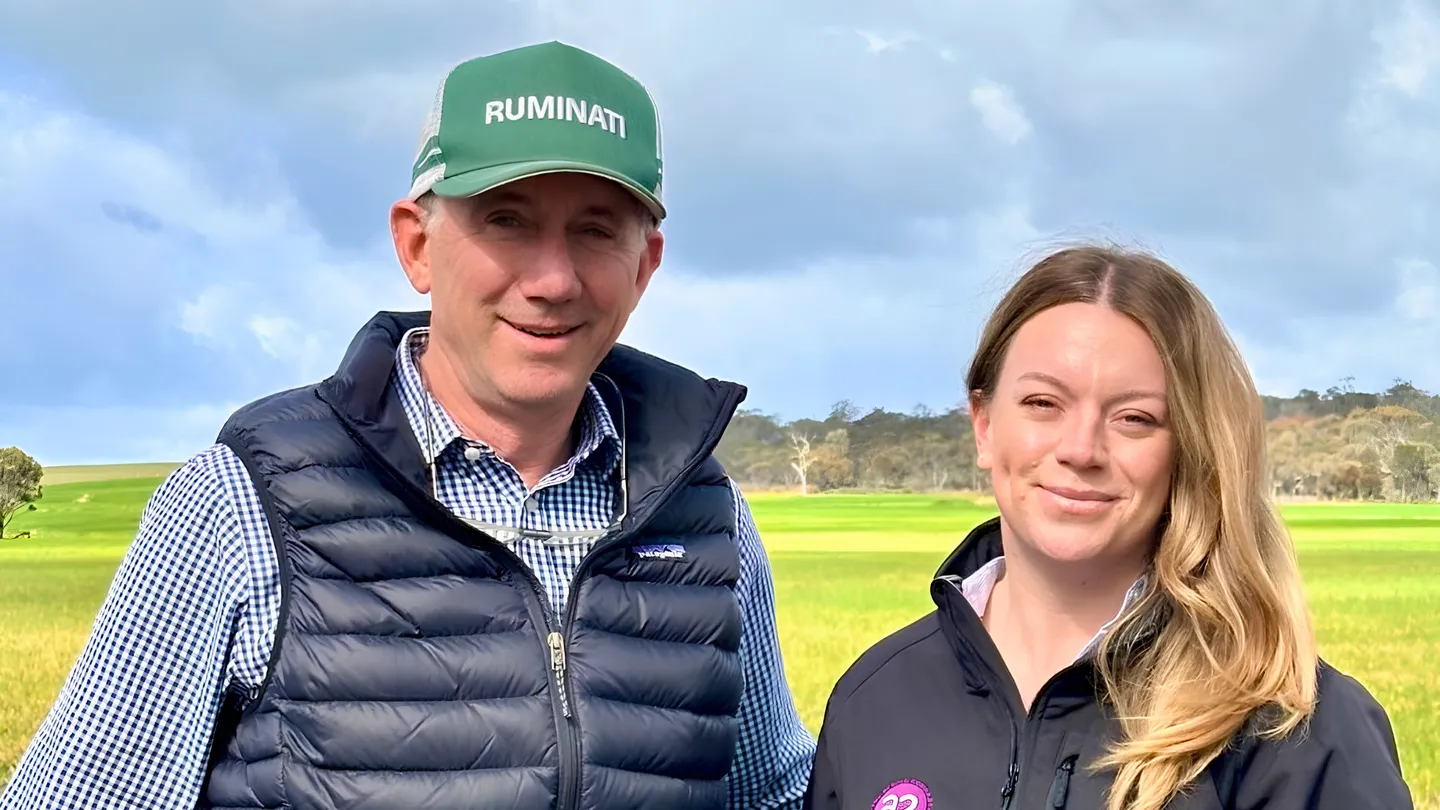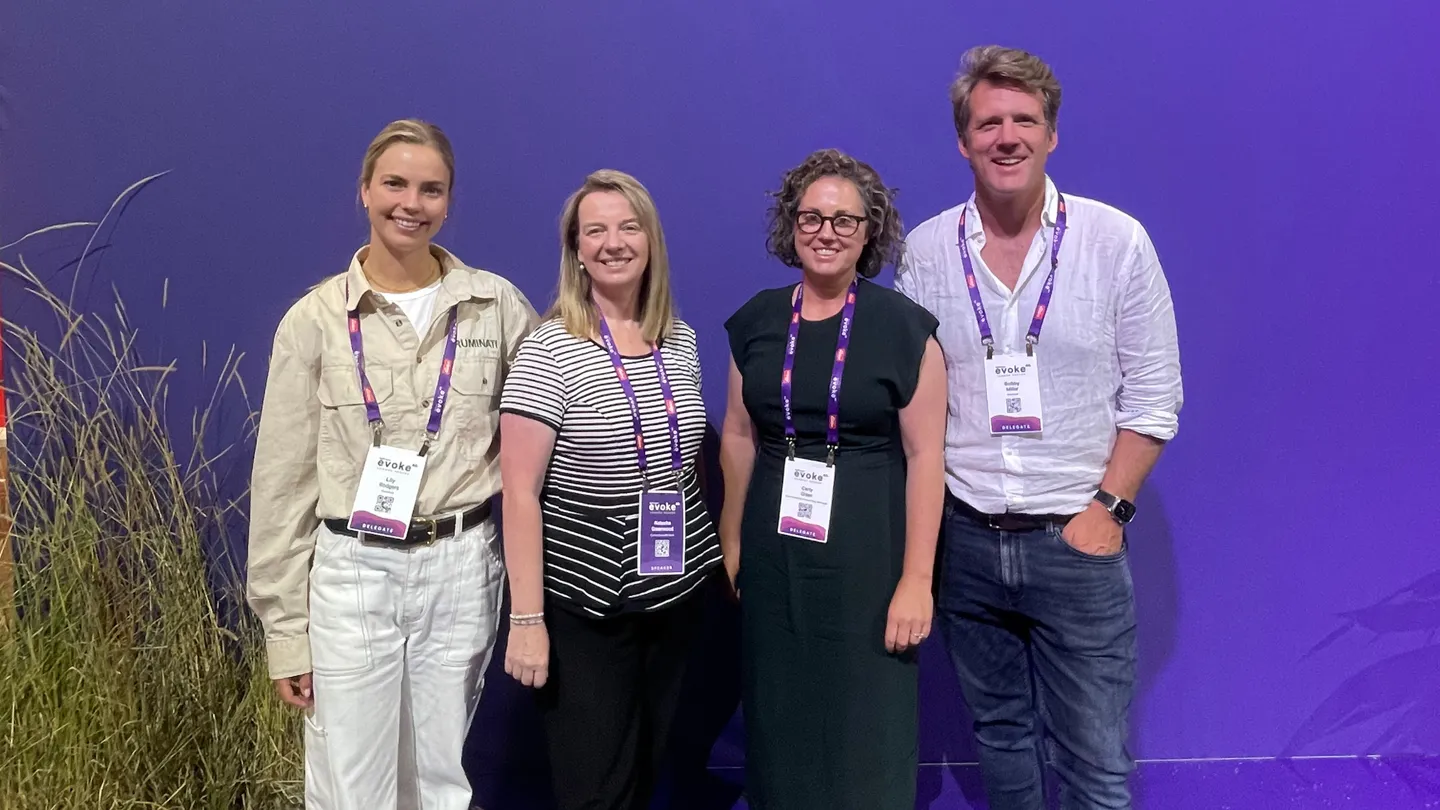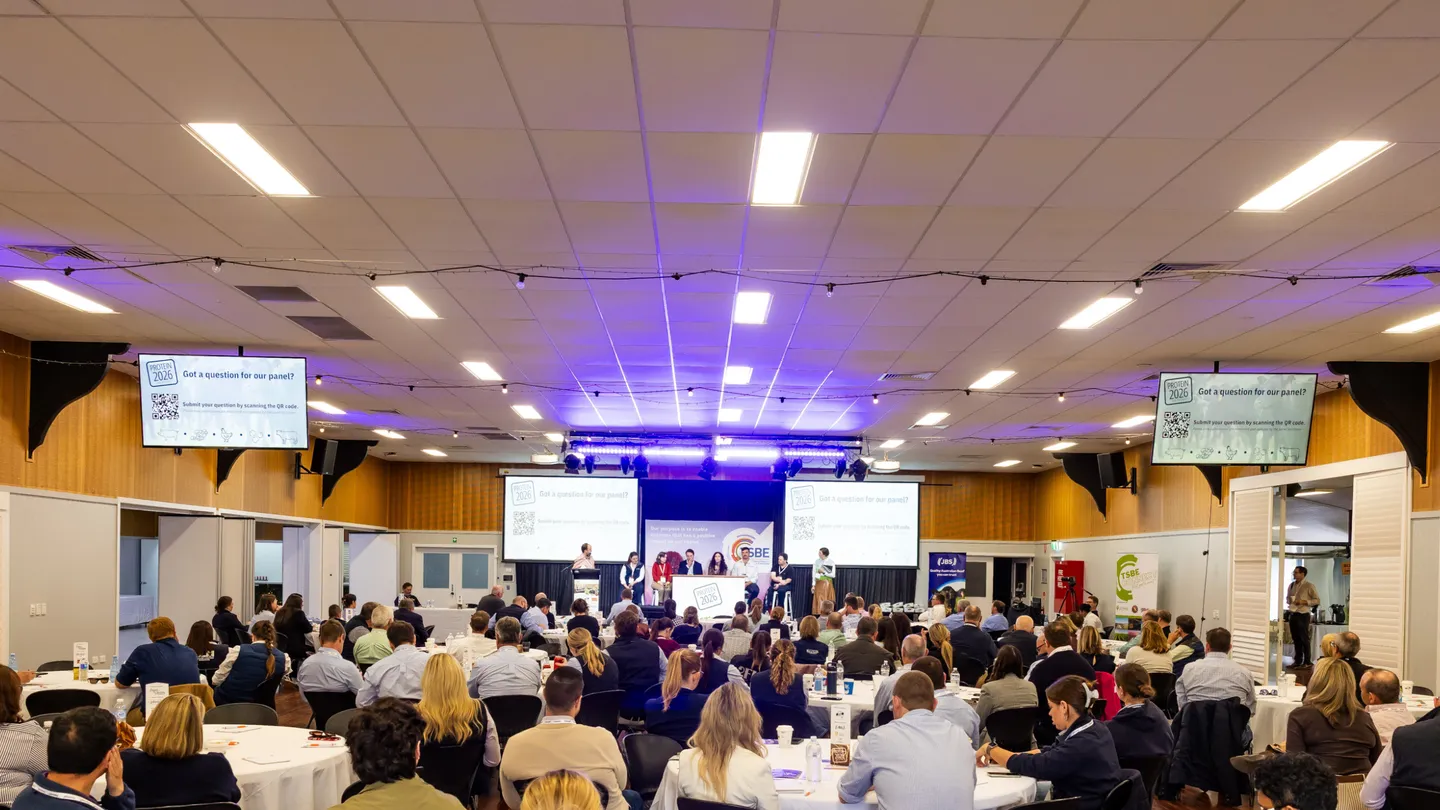
Brendan Tatt from JBS put the supply chain’s side of it plainly at TSBE’s Protein 2026 in Dalby last Wednesday, where Ruminati co-founder and COO Will Onus, spent the day out on the Darling Downs with producers, processors and industry reps. Reporting on environmental performance is simply how business works now. Farmers have always found ways to produce better products from fewer inputs, and the job for everyone in the chain is to find where those two things overlap and make sure there is something in it for everyone along the way, the farm included. That makes what comes back to your farm the question worth putting to any request for your figures and to any tool that asks for your time.
The overlap Brendan described is something your own figures show. Banks and buyers ask for gross and net emissions, which feed their own reporting, and emissions intensity is the figure that reads how efficiently your farm is producing. It moves with the decisions you already weigh for profitability, so annual records show whether a change to your grazing system or fertiliser use moved the result, which is worth knowing whatever a buyer does with it.
Rachel Chambers made the producer-side case at the same event. Having the right information to respond to supply chain questions with confidence is more than a nice-to-have, and going without it carries a cost even when that cost does not show up anywhere obvious. Most of that information is already on the property, in your livestock numbers, inputs and production, and a first emissions report completed early is yours to bring to those conversations on your own terms, with who sees it staying your decision.
The same test applies to the tools, and Jarrod Jackson’s point was that AI is going to touch every product and platform in the industry whether you use it directly or not, and that what matters is what the technology removes from a producer’s day. The tools that get used are the ones that take work away, with Halter a good example, and filling in a spreadsheet is a low-value use of a farmer’s time. A piece of technology that does not solve for that is a new way to fill in a form.
That is the standard the Ruminati team holds PRIME to, with figures that tell you something about your own farm and a first report that does not depend on a spreadsheet. If you would like to see yours, Ruminati PRIME is free to get started.