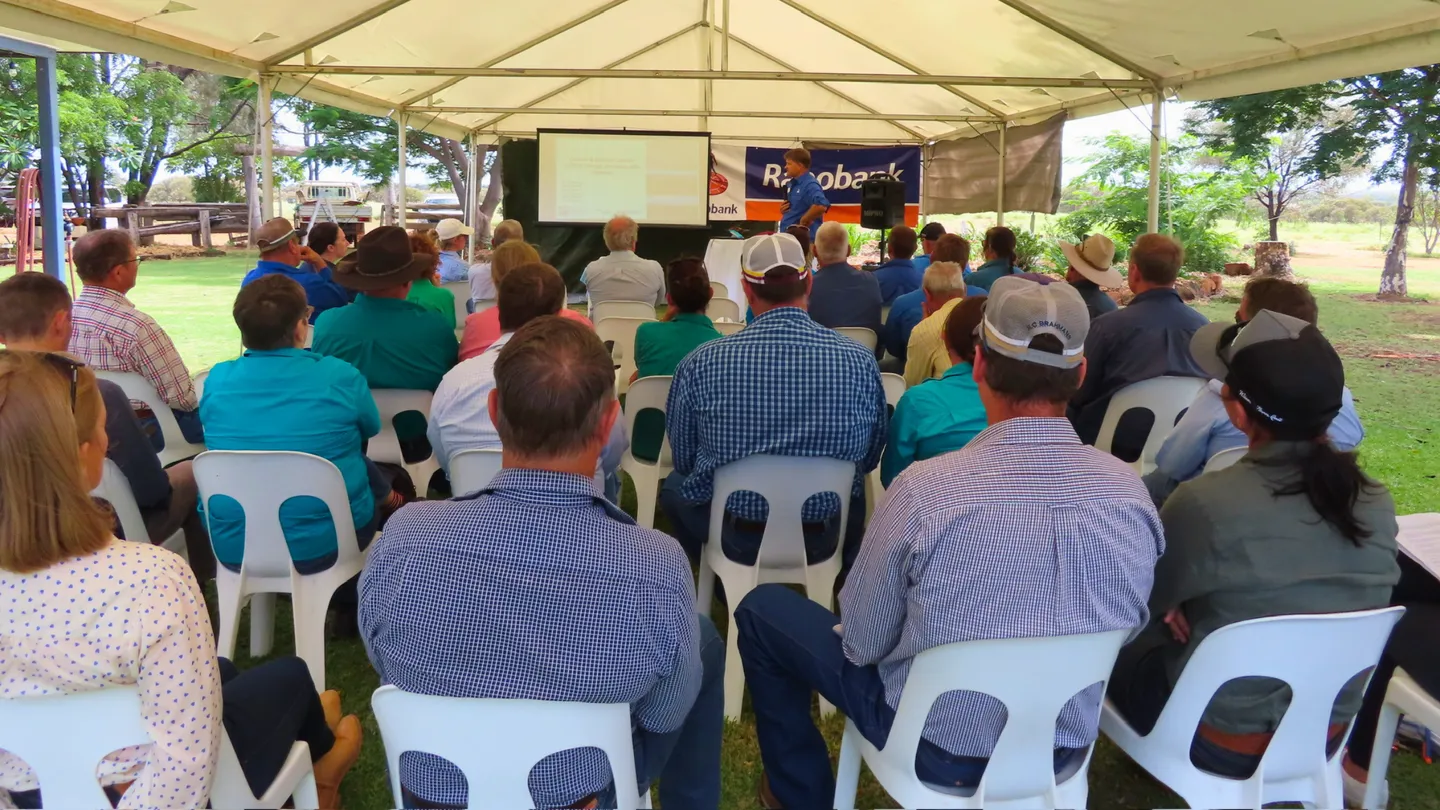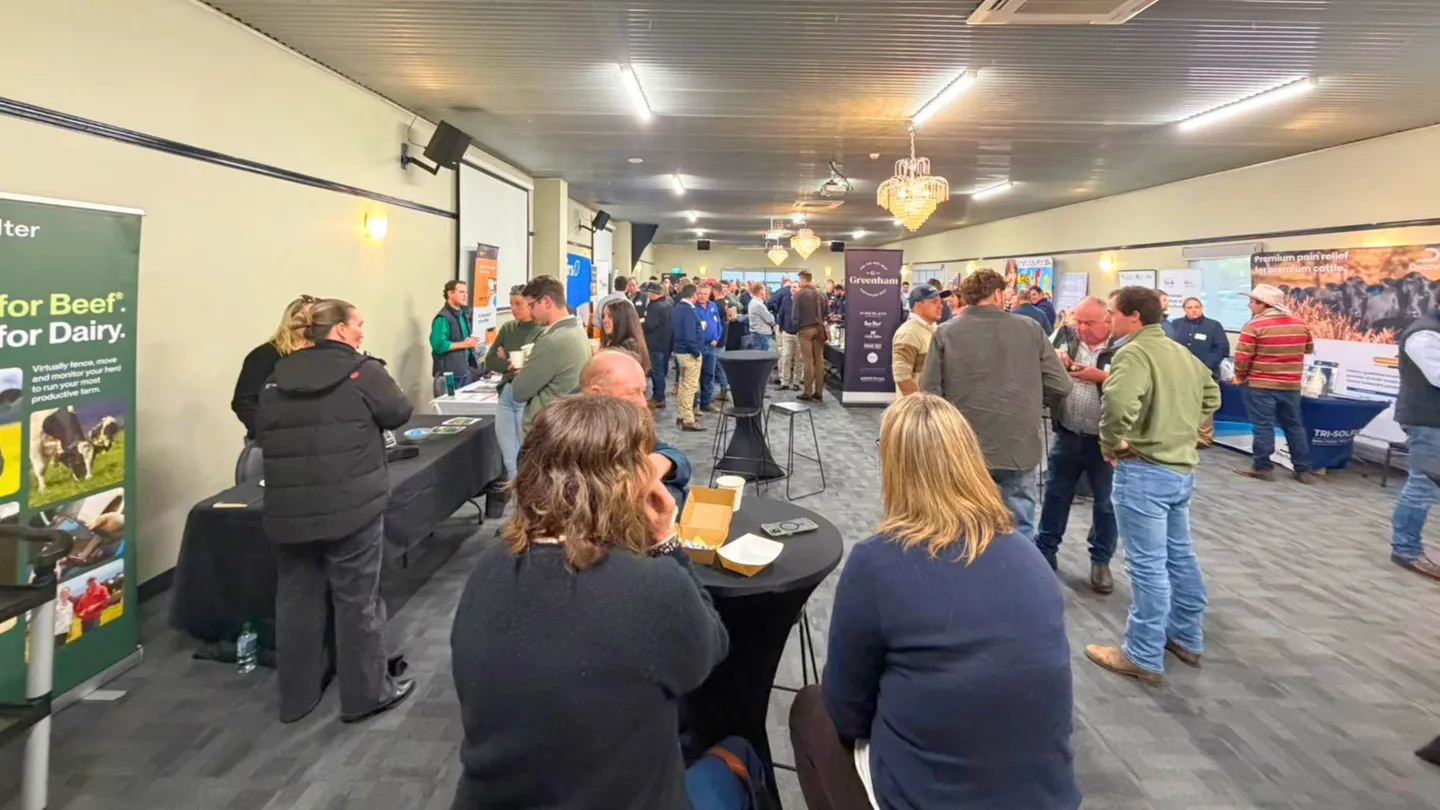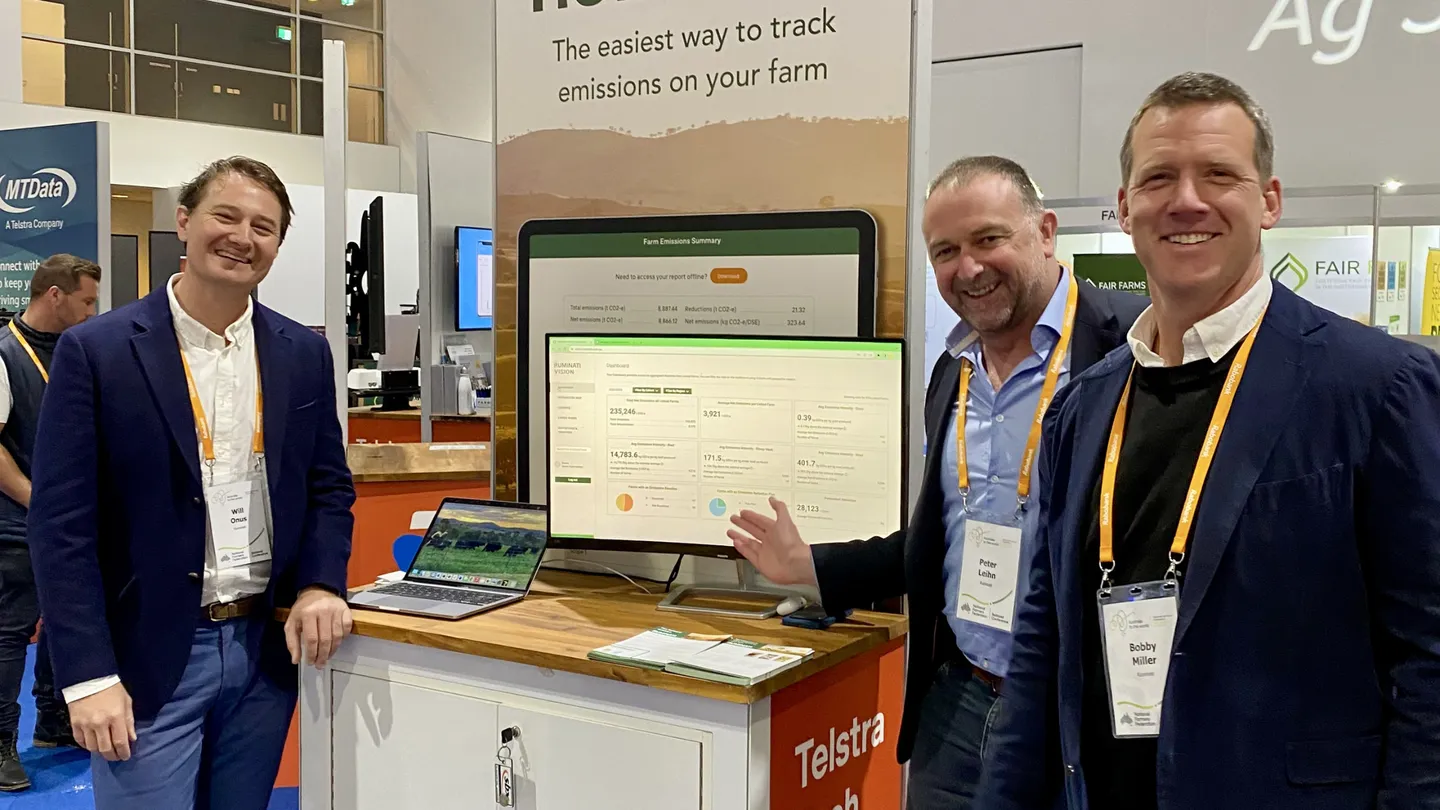
A producer’s records say a great deal about how the business is run, with livestock numbers, inputs, production volumes and management practices all captured once an emissions profile is built, and plenty of producers first come to it because a bank or a buyer has asked for that information. That is commercially sensitive data, so it makes sense that the question of who gets to see it came up so often at the National Farmers Federation National Conference in Canberra. The conference brought the Ruminati team together with producers, industry groups and policymakers for a day of conversation about where agriculture is heading and where the pressure points are.
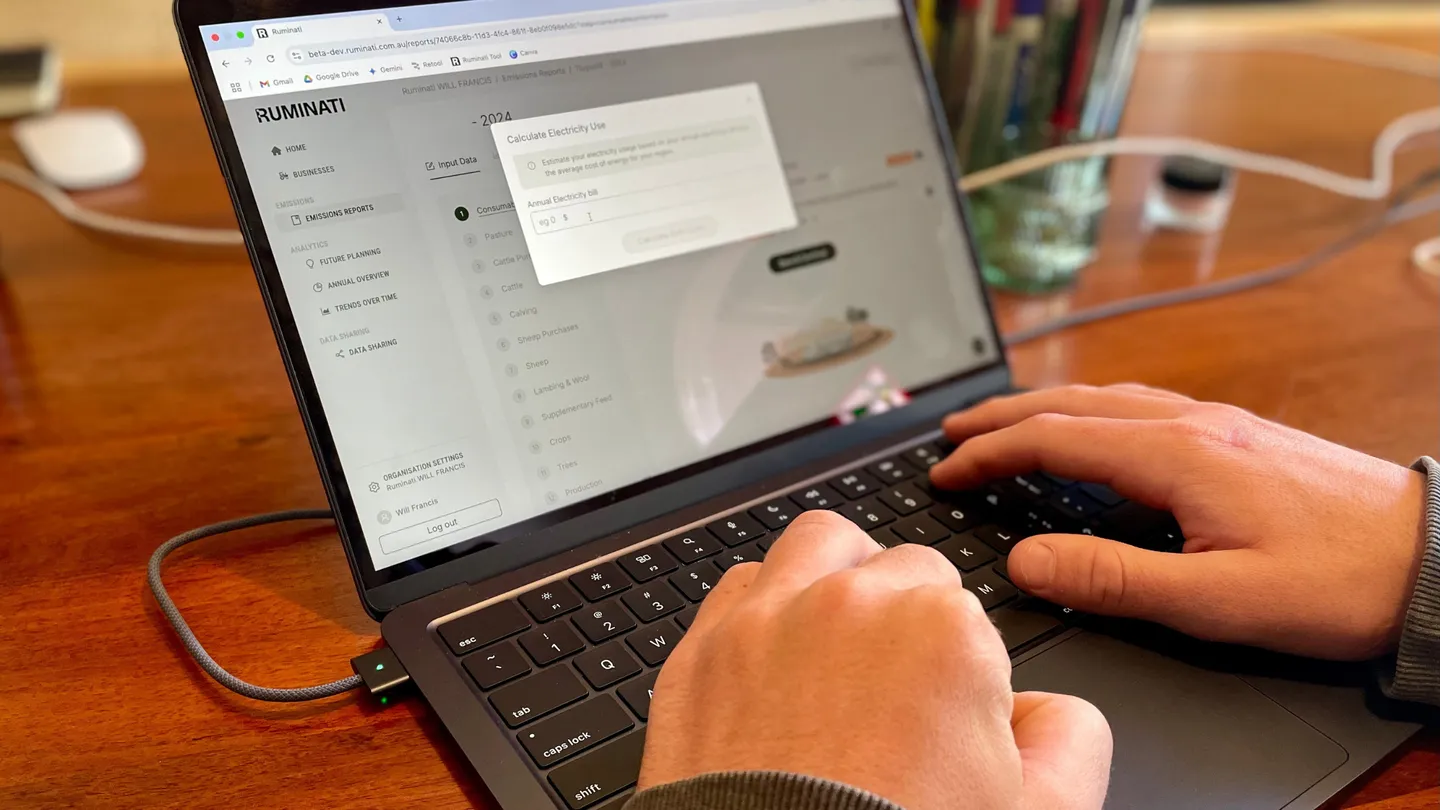
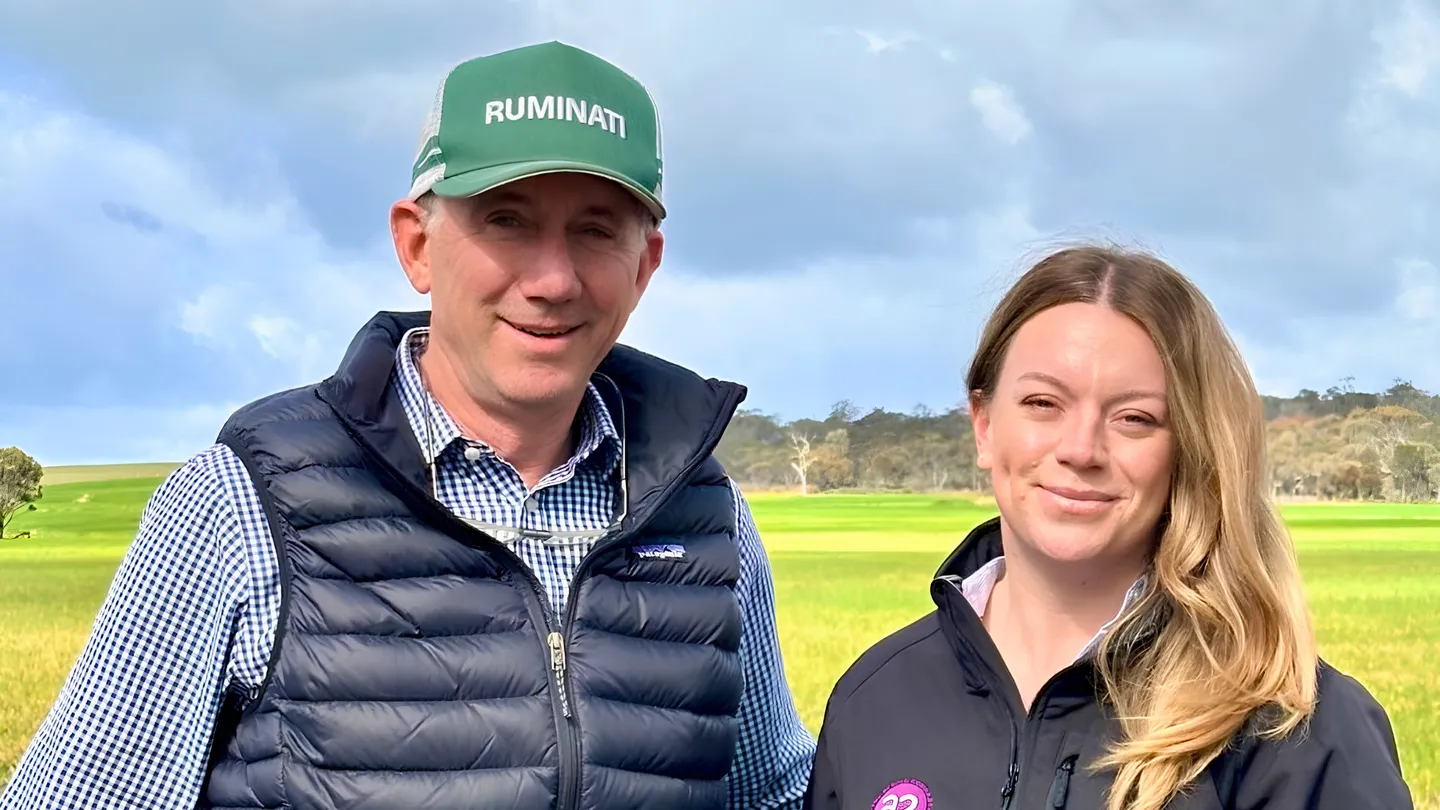
Will Onus and Bobby Miller were there as producers themselves, talking through how they use Ruminati on their own farm enterprises, which usually makes for a different kind of conversation than a product pitch. Lily Rodgers ran platform walkthroughs for producers wanting to see how emissions tracking works in practice, and CEO Peter Leihn fielded questions on the topic that comes up more often than almost any other in these settings, which is data security.
It’s a fair concern and an important one, and the questions behind it are who can see the data, how it’s stored and what happens if a producer wants to stop sharing it, all of which deserve a straight answer. Producers also have good reason to wonder whether anyone’s data can really be trusted, and it’s better to name that worry plainly than to talk around it.
Ruminati’s position on this has been consistent since the platform was built, which is that producers own their data, full stop. They control who it’s shared with and at what level of detail, and for how long, and permissions can be granted and turned off again whenever they choose. Nothing moves up the supply chain without informed consent, and the platform is designed so that the data flows to the places the producer chooses, whether that’s banks, processors, retailers or industry bodies, and nowhere else.
As emissions reporting requirements tighten and more of the supply chain starts asking for farm-level data, that design matters more than it used to. Producers who engage with this early, on their own terms and with a clear understanding of how their data is being used, are in a better position as it becomes more routine.
If you’d like to see how the permissions work before you put anything into the platform, sing out and we’ll take you through it.