Many producers come to an emissions tool because a bank or a buyer has asked for their data, and it is a fair question where that information goes once it is handed over. An emissions profile holds detailed information about how the business operates, including livestock numbers, input volumes, production figures and management practices, and shared without clear conditions it could be used in ways you did not intend. Data security in agricultural platforms has improved significantly, and there are now clear standards to look for.
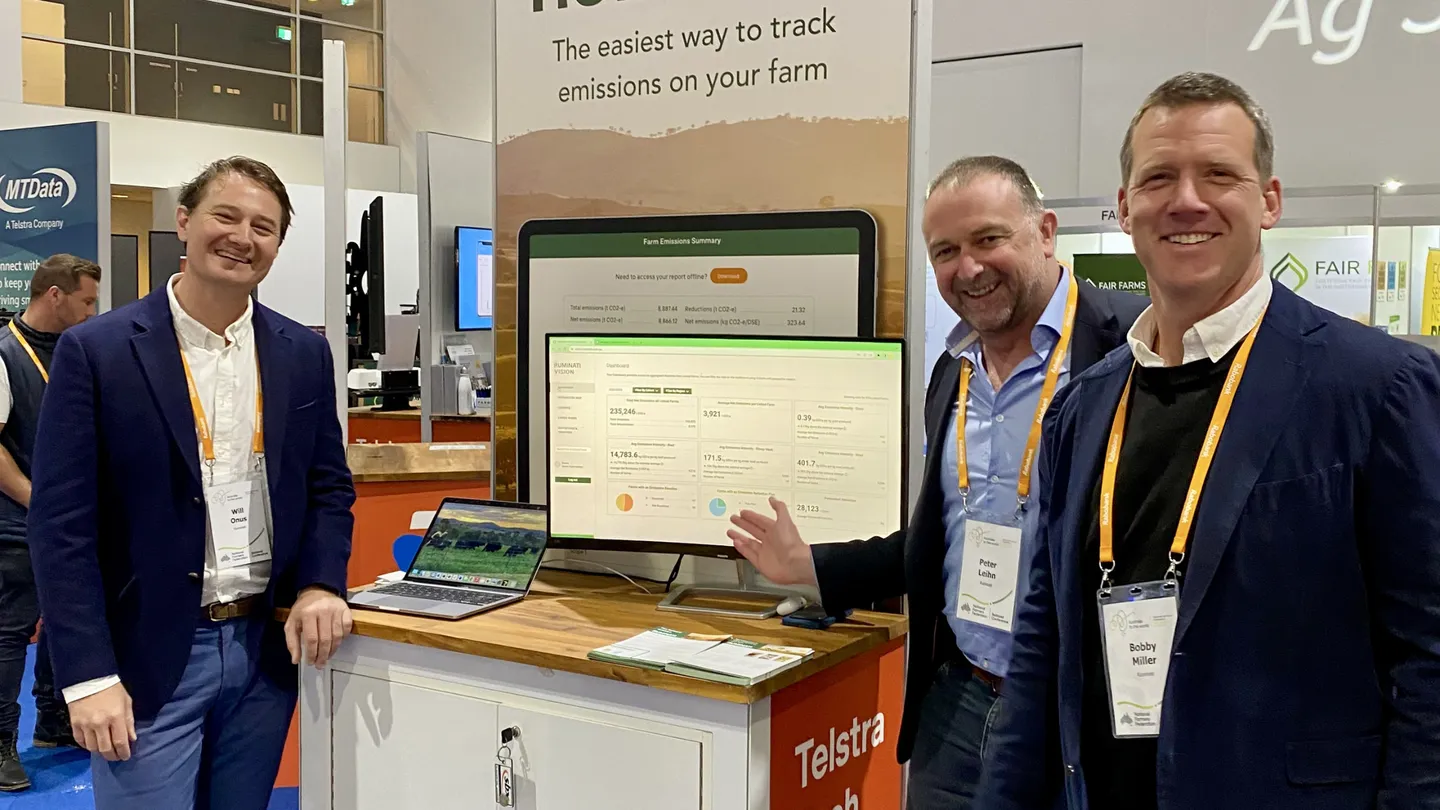
The first of those is the NFF Farm Data Code, which sets out standards for privacy, security and data sovereignty that responsible platforms adhere to, and Ruminati is registered under this scheme. If you are evaluating an emissions tool, asking whether it operates in line with those principles is a reasonable first question.
Past the code, the most important thing to check is whether you keep control of who sees your data, how much detail they can access and for how long. A well-designed platform lets you give permission to specific organisations, such as a bank or a processor, and turn that access off at any time, and it shows you exactly what has been shared and with whom. That is a different situation to emailing a PDF report to someone, where you have no way of seeing where it goes once it leaves your inbox.
The other thing to understand is how your data is used in aggregate. Platforms that work with large datasets, Ruminati among them, draw on anonymised, aggregated information to produce industry insights, so it is worth clarifying whether your individual data is identifiable in that process and what consent you have given for it to be used that way, before you sign up.
A platform with strong data governance gives you more control over your information than a spreadsheet or a paper form ever did, so none of this is a reason to avoid digital emissions tools. It does pay to ask these questions first, and to choose a tool that gives you straight answers.