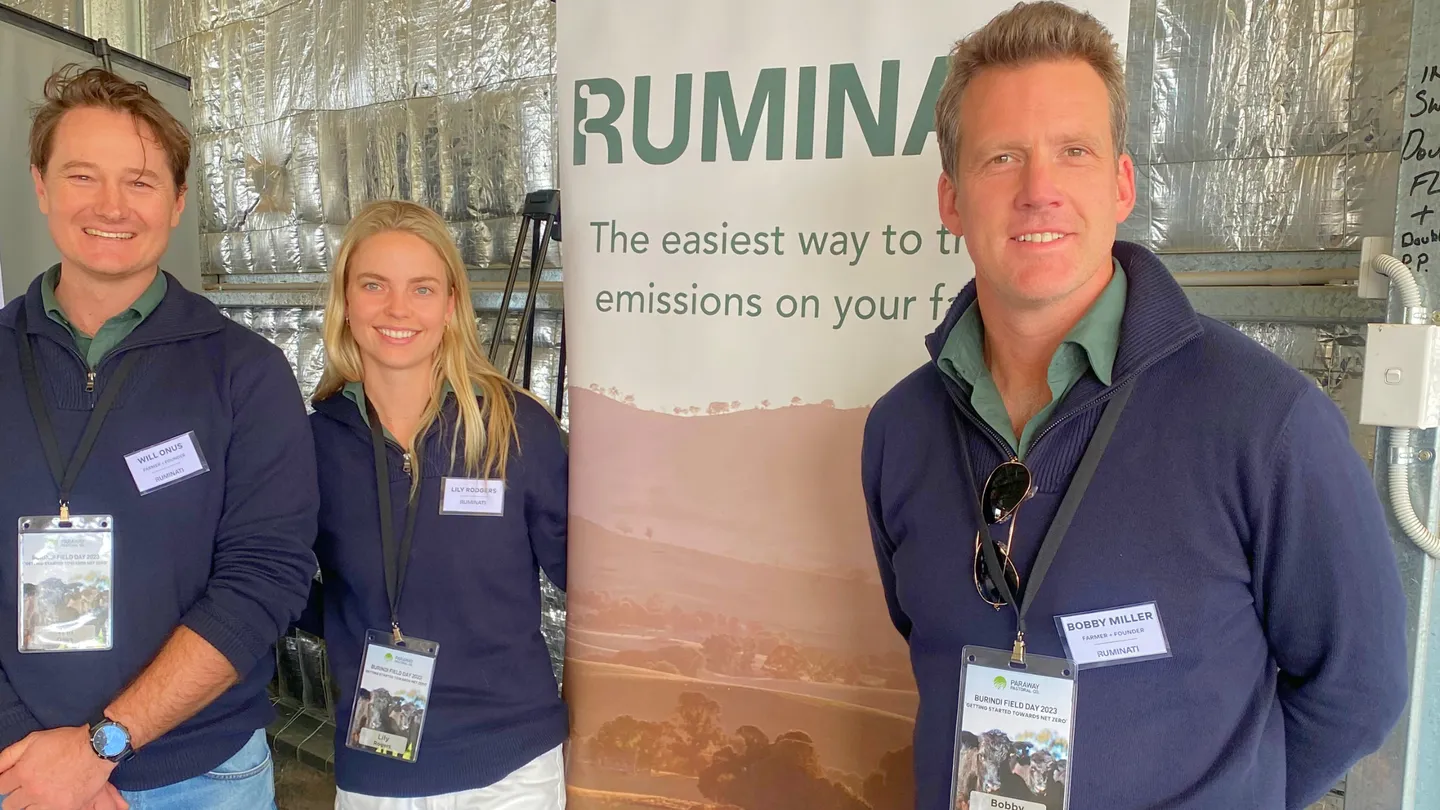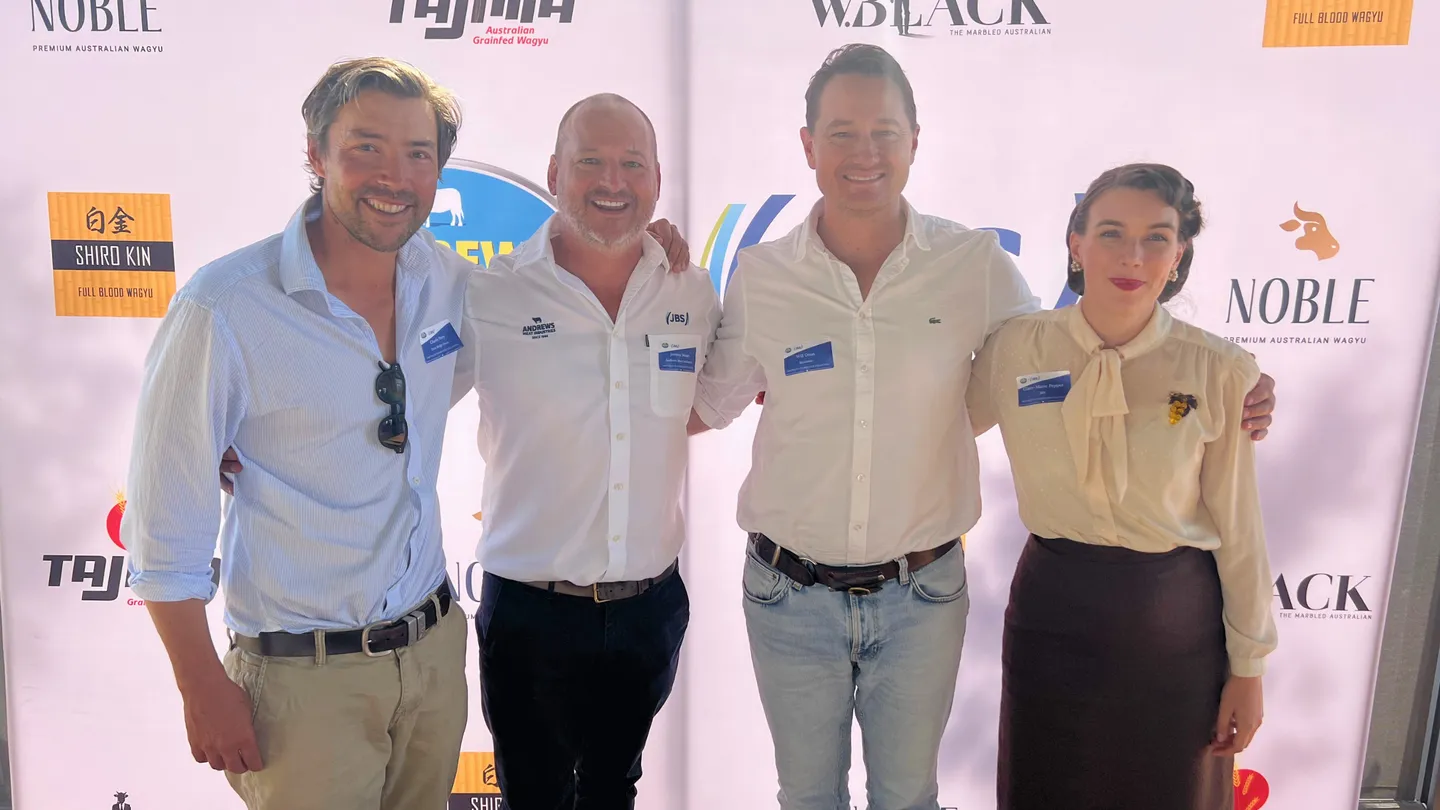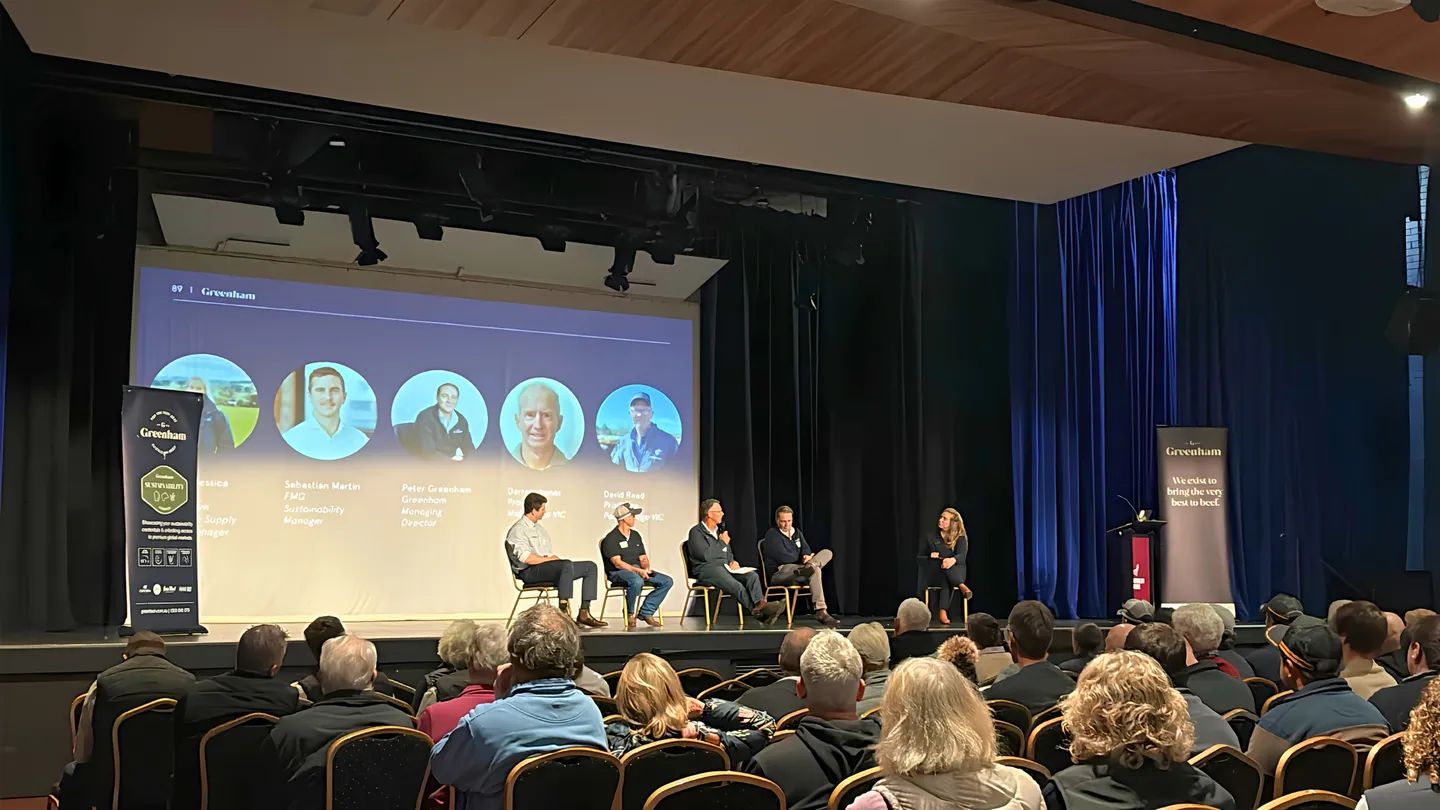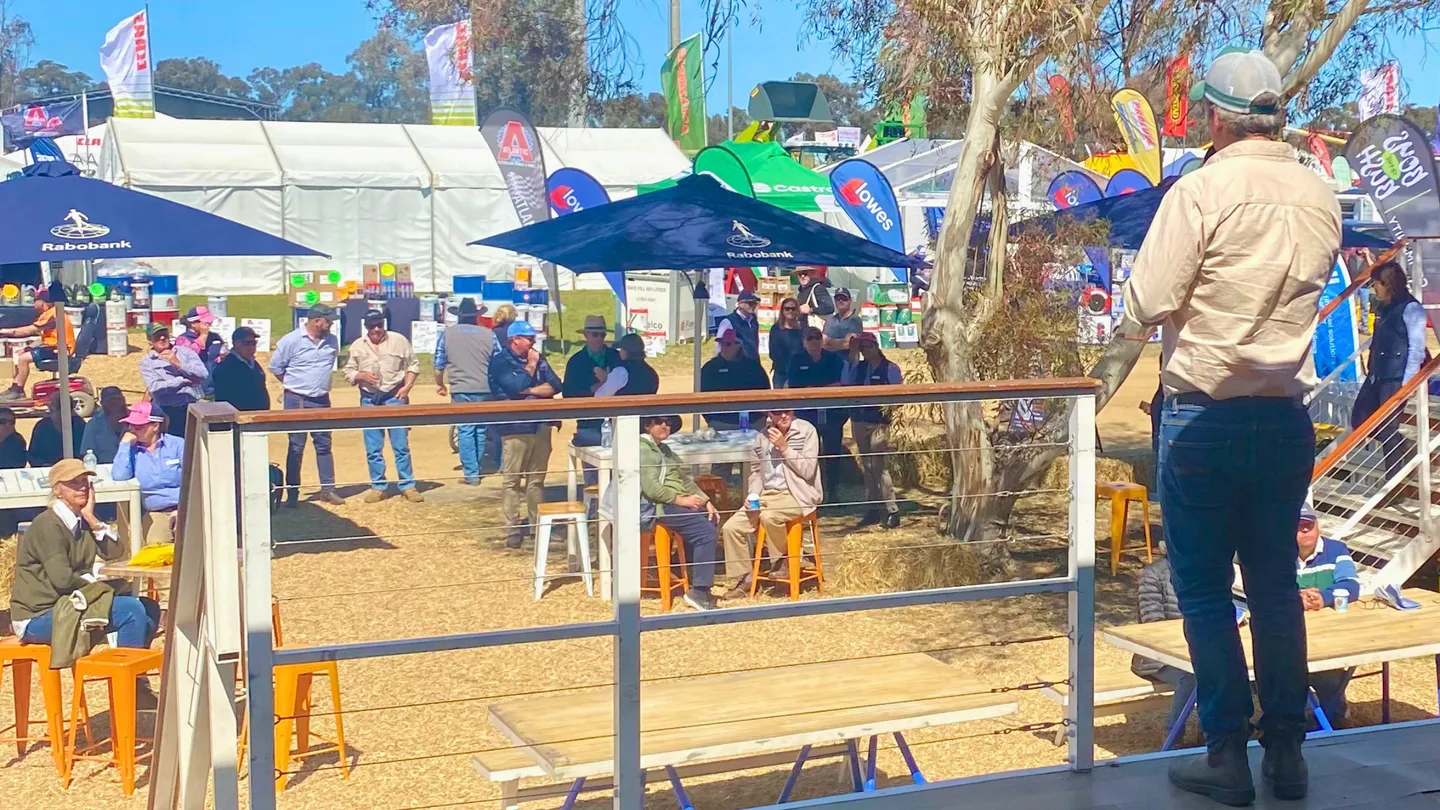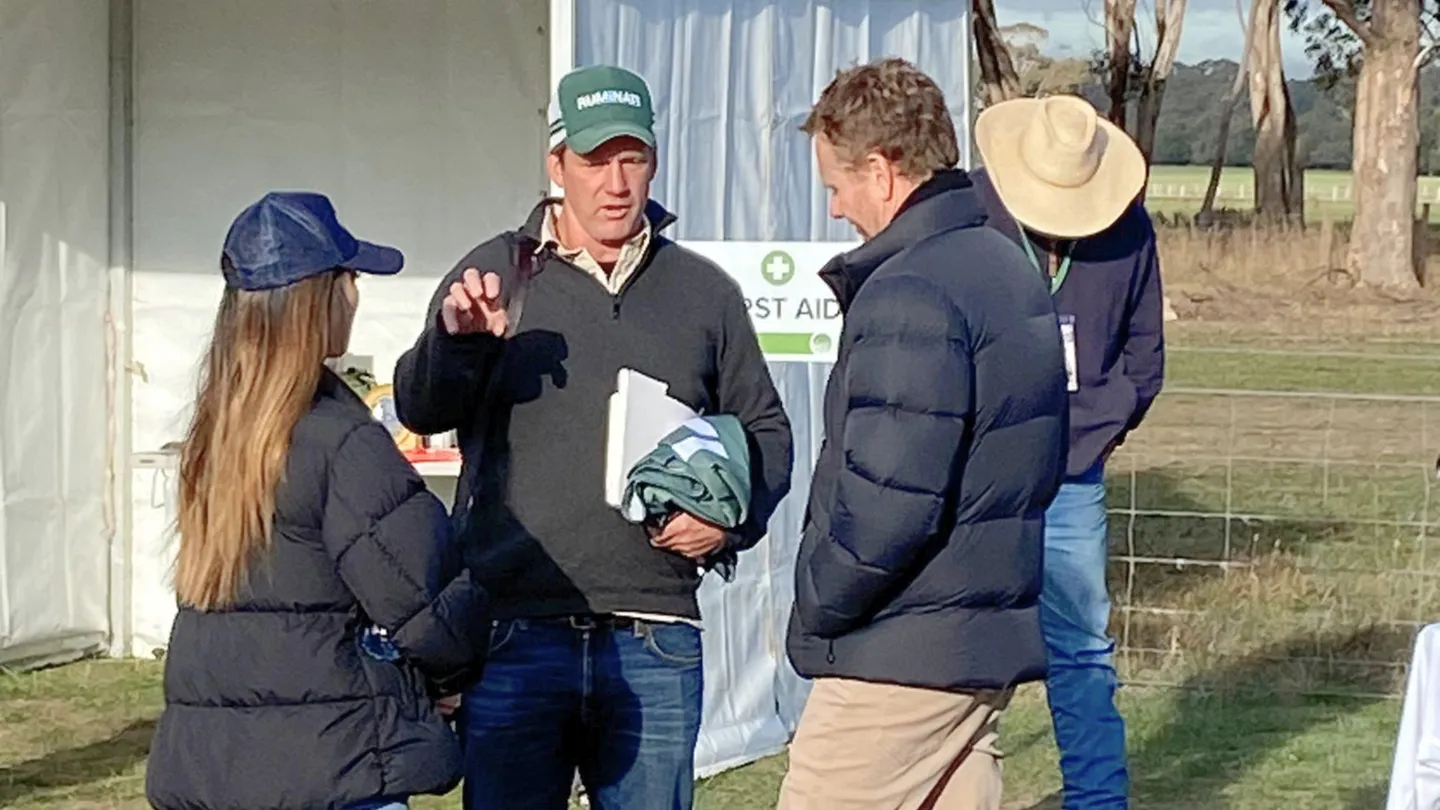
It was a chilly day in Willaura, in Victoria’s Western District, when producers gathered for Paraway Pastoral’s Net Zero Better for Business Field Day to talk about emissions reporting, and Ruminati co-founder Bobby Miller and Bill Findlay spent the day with them on that and on how to get more out of the data once a report is done. Along the way there was also a chance to catch up with Ang and Rowan from Landcare Australia and the AgriWebb team.
A good part of the conversation was about intensity, which is emissions per unit of product, measured in kilograms of CO₂ equivalent per kilogram. Intensity is a measure of efficiency, so a producer running a tight system will often find they are in a better position than they assumed, and it gives them a figure tied to production decisions they can influence, whereas an absolute emissions figure is largely a function of scale. It is the productivity read of an emissions report, and it arrives alongside the gross and net figures that most producers are first asked for by a bank or buyer.
Mark Inglis from Thomas Foods International gave the supply chain view, and what he described goes a long way towards explaining where those requests for data come from. Questions about emissions are growing across beef supply chains, and processors are increasingly aware that their own reporting depends on the quality and availability of data from the farms supplying them.
Put those two conversations side by side and they lead to the same place. A processor needs farm data it can rely on, and a producer who has already worked out their own intensity figure knows what that data says about their system before anyone asks for it. That leaves them far better placed to decide who sees it than a producer looking at it for the first time with a request already on the desk.