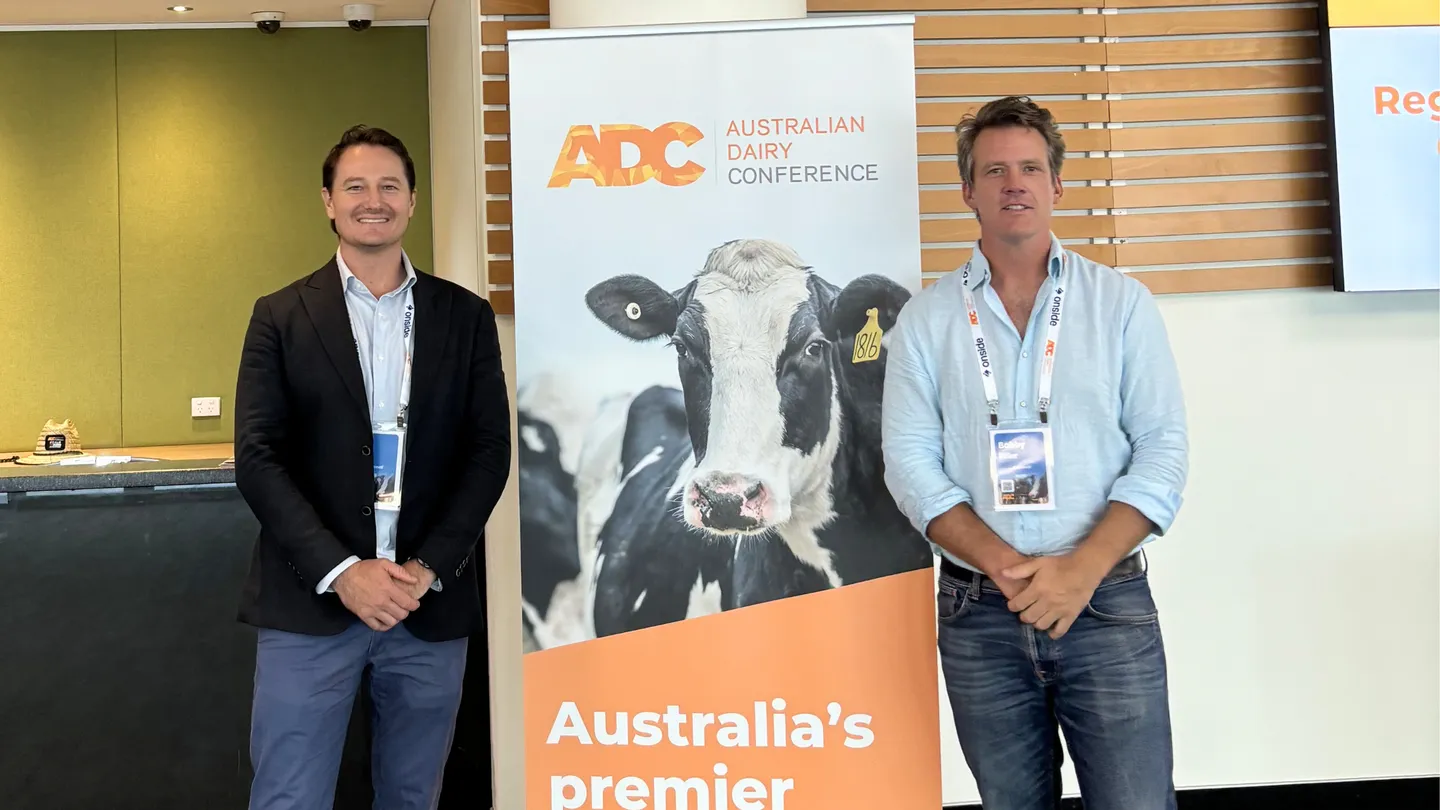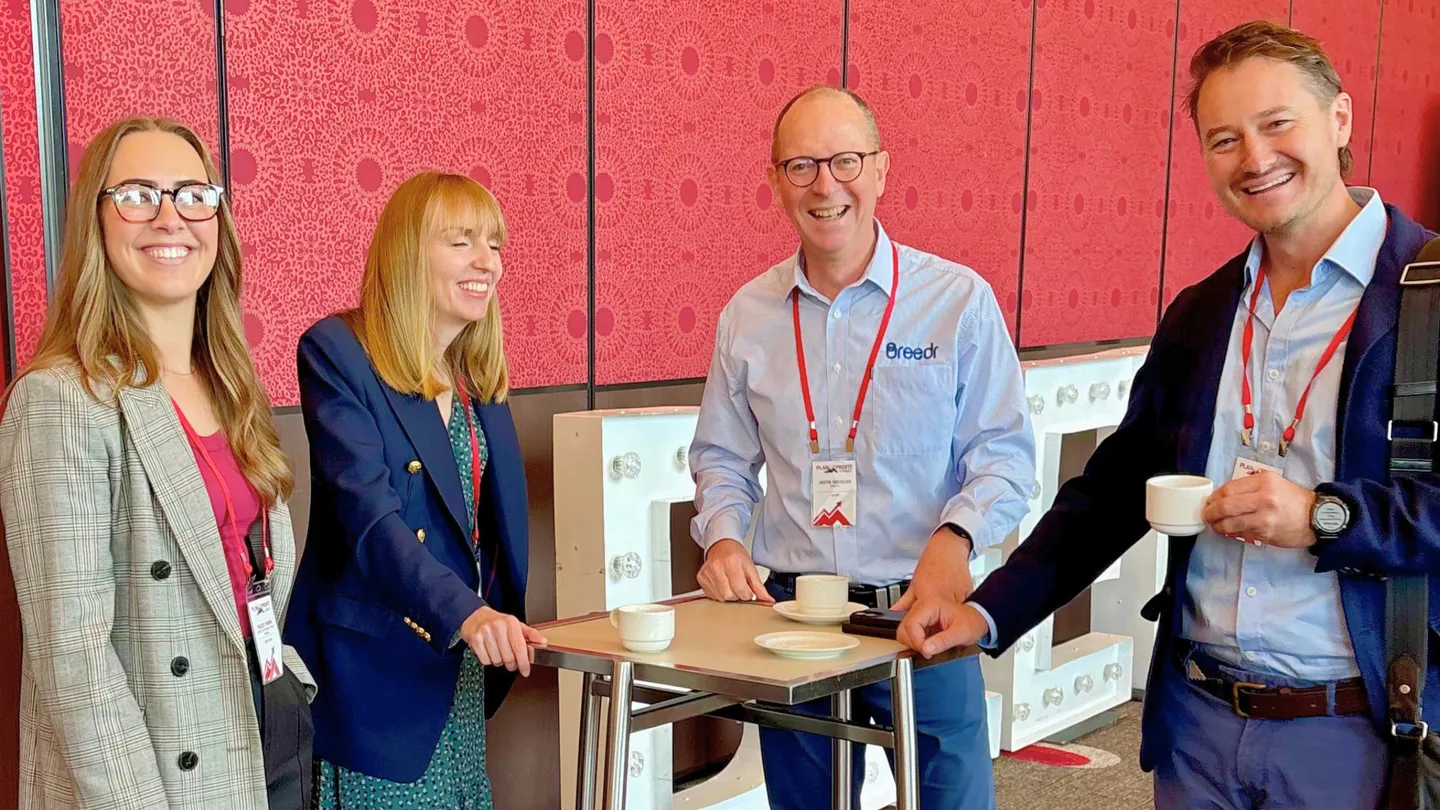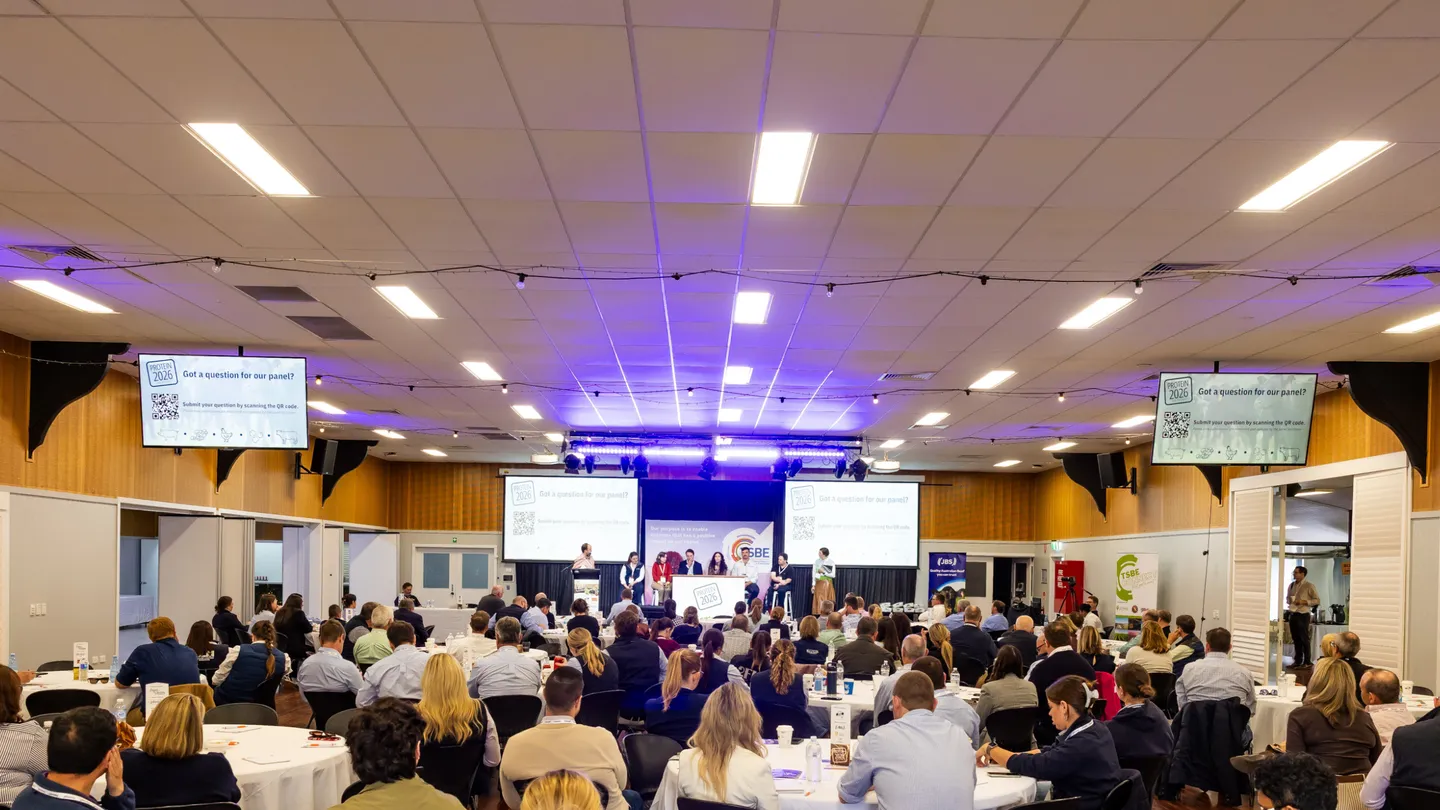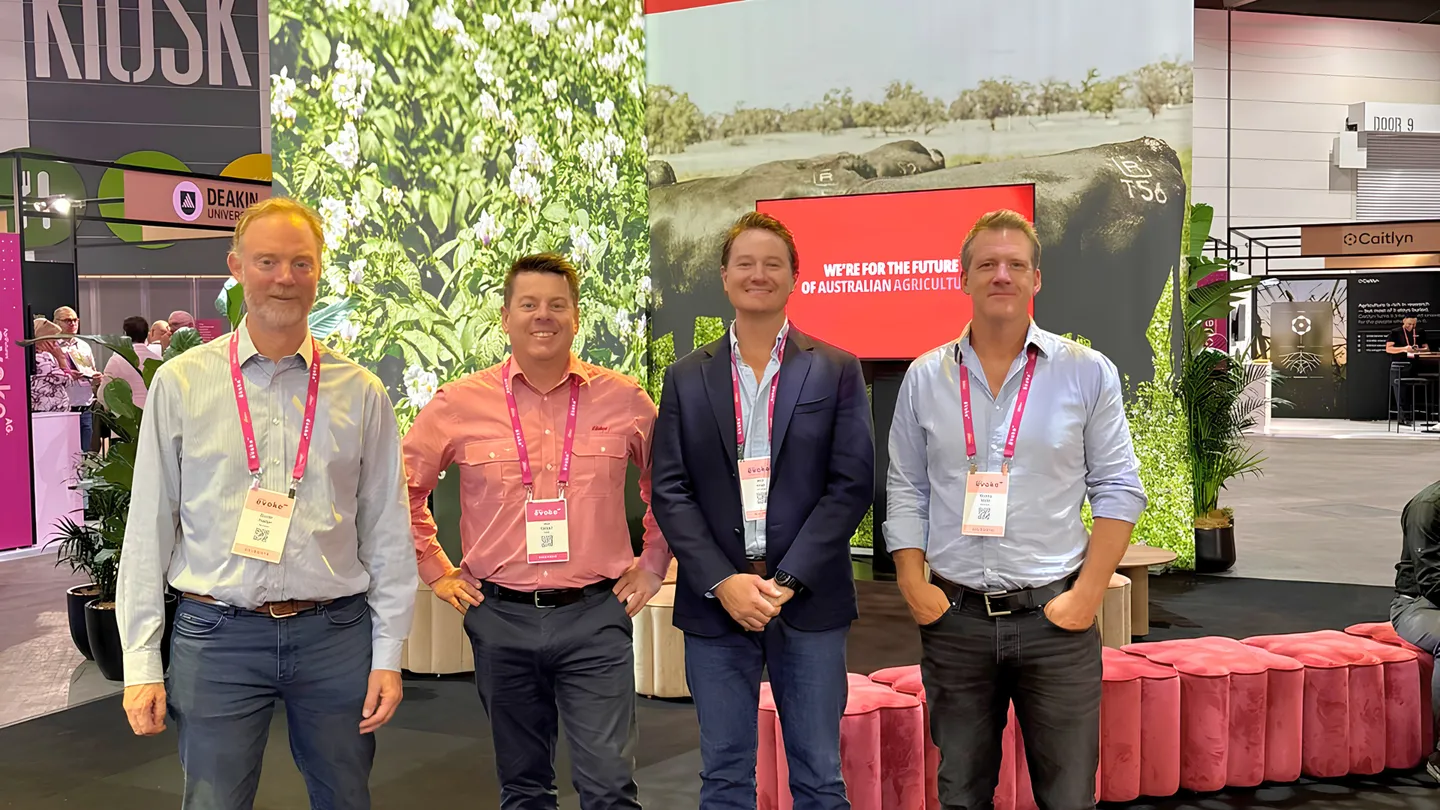
For a long time the emissions conversation reached farms as a list of jobs, with producers asked to measure and report and then to comply with whatever came next. What stood out at AgriFutures EvokeAg in Melbourne last week was a shift away from that. Ruminati co-founder and CEO Bobby Miller, COO Will Onus and Partnerships Manager David Nation came away from two days of sessions and conversations with the same observation, which was that the discussion is moving from asking who is responsible for change to building the commercial structures that make change worth doing.
Insetting was the clearest example. It means a processor or retailer lowering emissions inside its own supply chain, including on the farms that supply it, as a replacement for buying credits from a project elsewhere, and at EvokeAg it was being discussed as a pathway that is starting to look commercially viable, beyond a future possibility or a policy aspiration. Elders and Athian were among the businesses in those conversations, which centred on building credible, scalable programs that lower emissions and return value to the producers involved. The emphasis was on partnership and incentive, with supply chains stepping forward and taking on part of the work.
For a farm, the useful question is what a program like that would ask of you, and the answer is a record. Programs of this kind rely on farm-level figures that can be checked, so a producer without an emissions record has no way to show a reduction or take part, while one who has started building a record is in a position to take up an opportunity as it arrives. Measurement still comes first, because a program can only reward what can be shown, and the same figures that answer a business you supply also show you where your own farm has room to move. Insetting is still early in Australian agriculture, and what the conference added was a clearer sense of direction. The record stays yours to share, and who sees it remains your decision.
A second thread was a call for alignment across the sector, with a shared language and shared methods so that each supply chain’s story can add up to something credible at a national level. The Australian Ag Sustainability Framework is part of that, as is the work agtech businesses are doing to help supply chains move from intent to evidence. Ruminati applies the standards that others set in place of writing its own, which makes alignment work like this something to follow closely.
None of it asks a producer to wait for someone else to tell the story of the farm. A farm with its own checked record can show its work, and as supply chains build programs around emissions, that is what changes the conversation with the businesses you supply.