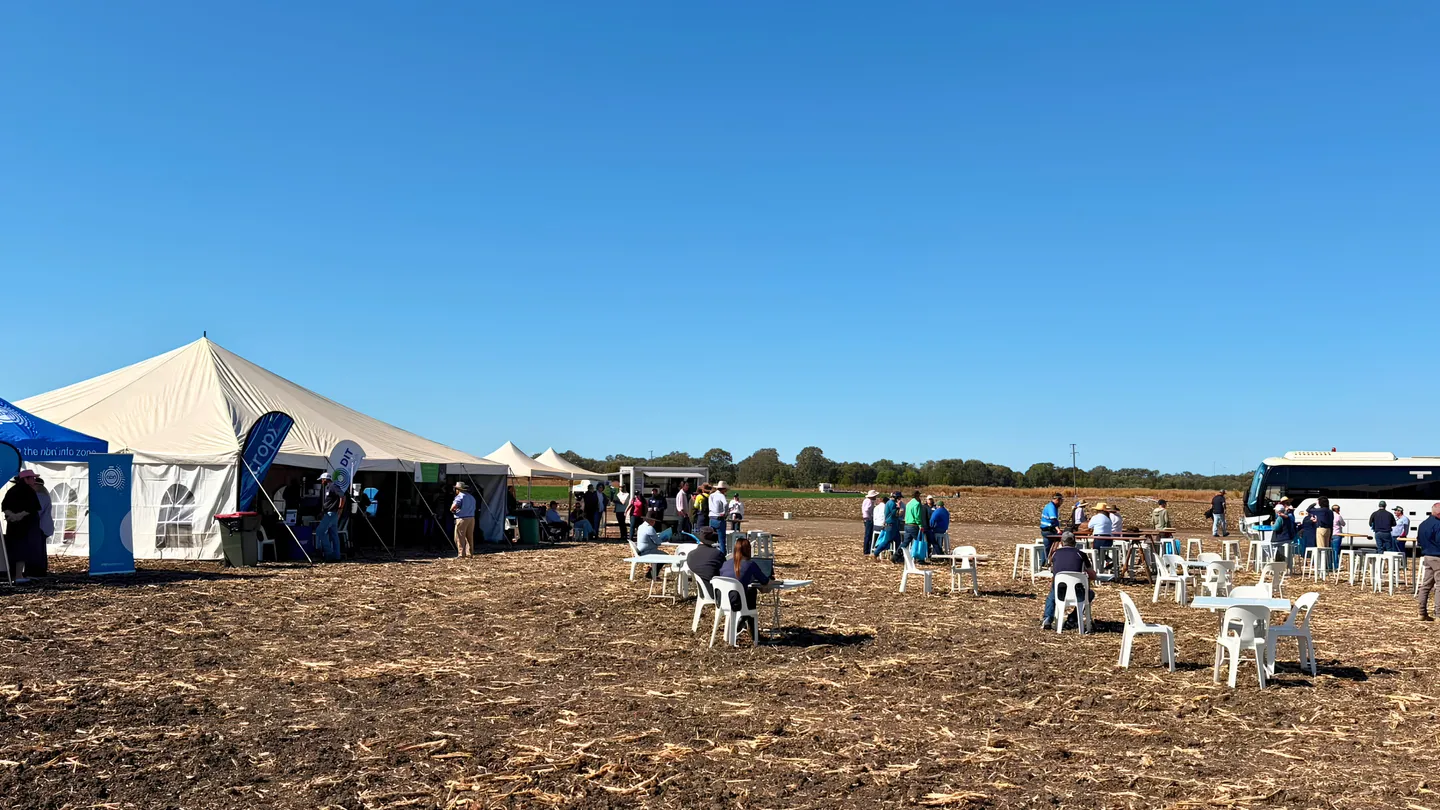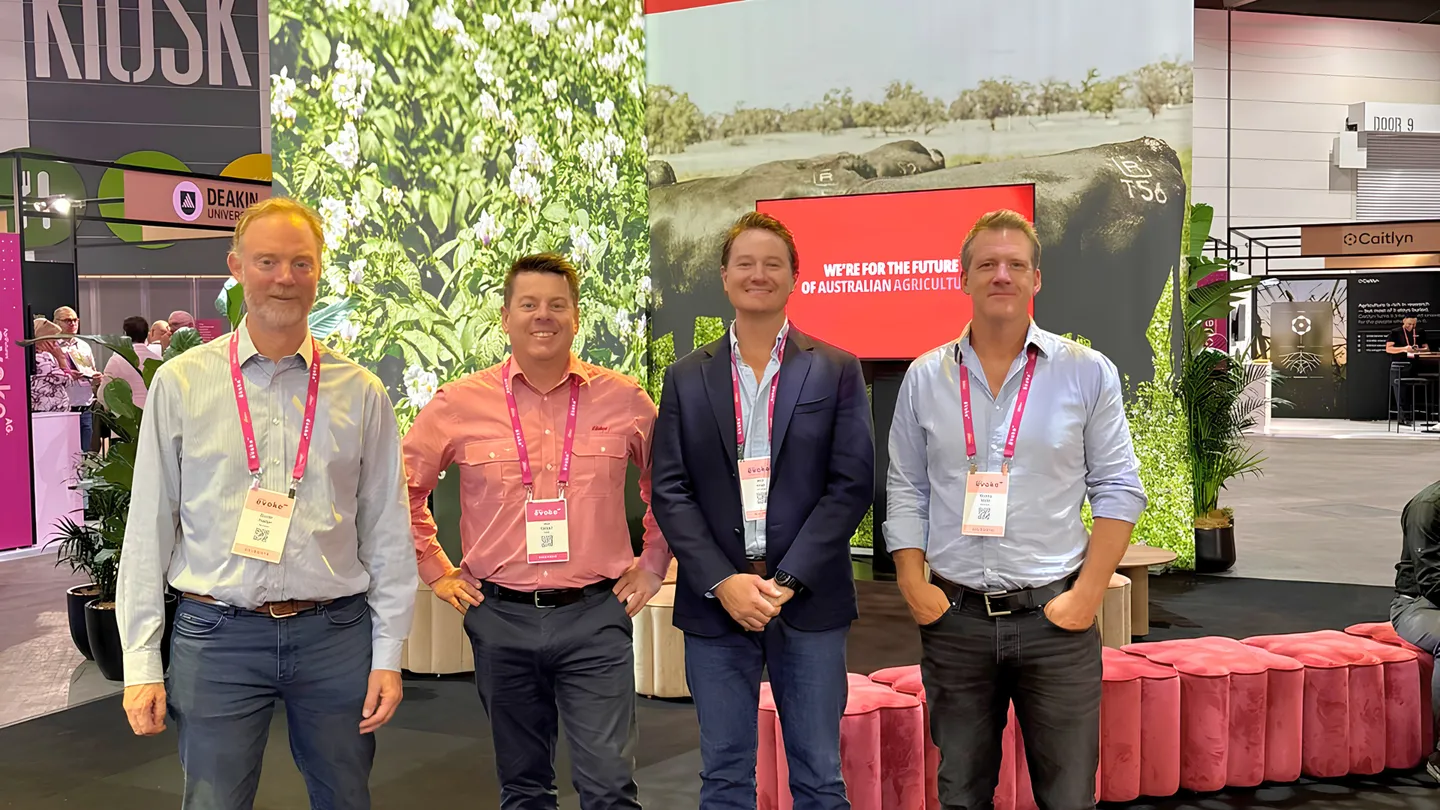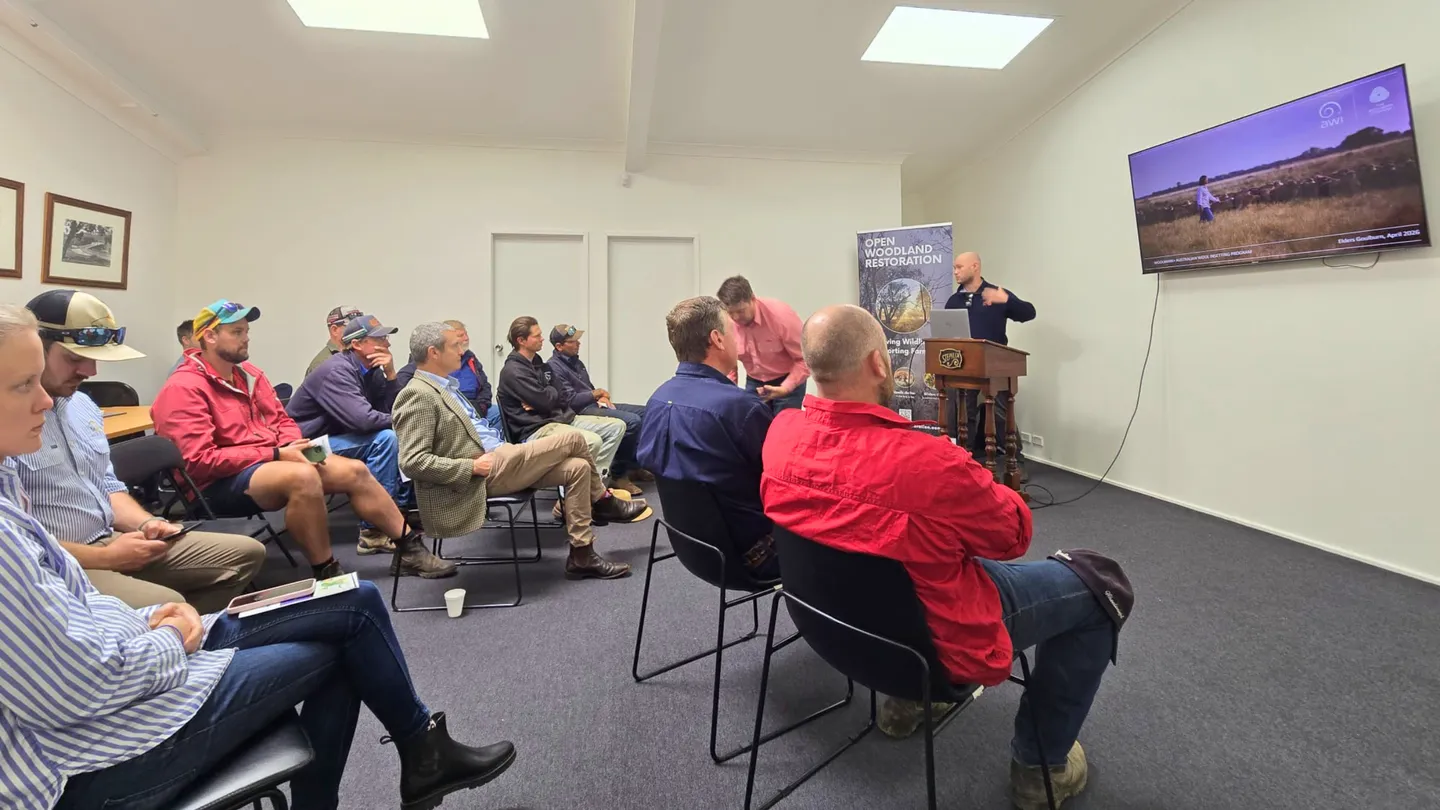
The Elders Goulburn team put together a producer day last week for a group of beef and wool producers, with Ruminati co-founder and COO Will Onus there for the day. The Q&A came down to one question from the floor: “Do we actually get paid more for our product if we’ve lowered our emissions intensity?” It is a fair question, and it deserves a straight answer.
A better price for lower emissions intensity is not yet consistent, and what is taking shape around it is worth knowing about. Banks and buyers ask for gross and net emissions, which feed their own reporting, and programs that recognise measurable emissions reductions are starting to form, alongside longer-term supply relationships with farms that can show credible, data-backed performance. Insetting is still early in Australian agriculture, though the direction is clear.
That makes your records the useful thing to have in hand. Emissions intensity moves with the decisions you already weigh for profitability, so annual records show whether a change to your grazing system or fertiliser use moved the result, and that is worth knowing whatever a buyer does with it. If a program or buyer starts recognising lower emissions, a farm with several years of records can take part in that conversation on its own terms, and who sees your figures stays your decision.
The Regen Farmers Mutual session with Andrew Ward added a practical angle on trees. The worked example showed how tree planting can be spaced and integrated into a productive grazing system, with grazing and planting happening on the same country at the same time. That makes trees something you add to an operation in place of land you set aside. What the planting counts for in an emissions report is still being settled, with existing vegetation counting for little yet under current frameworks and the incoming federal guidance expected to start addressing it, so it is one to watch as the guidance arrives.
Phil Tickle from Cibo Labs showed what an early read looks like on the pasture side. Regional pasture biomass data gives forward visibility on where supply and demand pressure is likely to build across a region, which for anyone running cattle is the difference between reacting to a market and anticipating it. Your own records work in a similar way over time, because each year adds to what you know about how the farm runs.
Having that question asked out loud, with the people who need to hear it standing in the same place, is what a day like this is for, and it is why Ruminati makes the trip. If you would like to see what your own figures look like, Ruminati PRIME is free to get started.