Discussion of emissions reporting in agriculture often places the friction with the producer, on the view that once farms are measuring, the businesses that buy from them or lend to them can use what comes back. For the teams doing the reporting at a processor, retailer or bank, the difficulty sits at a later point, which is receiving data in a form they can report on.
Producers measure in different ways, and some do not measure at all, so the data a reporting team receives reflects that spread. Collecting it means asking producers for figures, following up when they do not arrive and reconciling the formats they come in. The set that results is often incomplete or inconsistent enough that reporting on it becomes a stretch. Climate reporting requirements, Scope 3 accounting and investor and board scrutiny have all moved quickly over the past few years, and much of the work they create sits downstream of this collection problem.
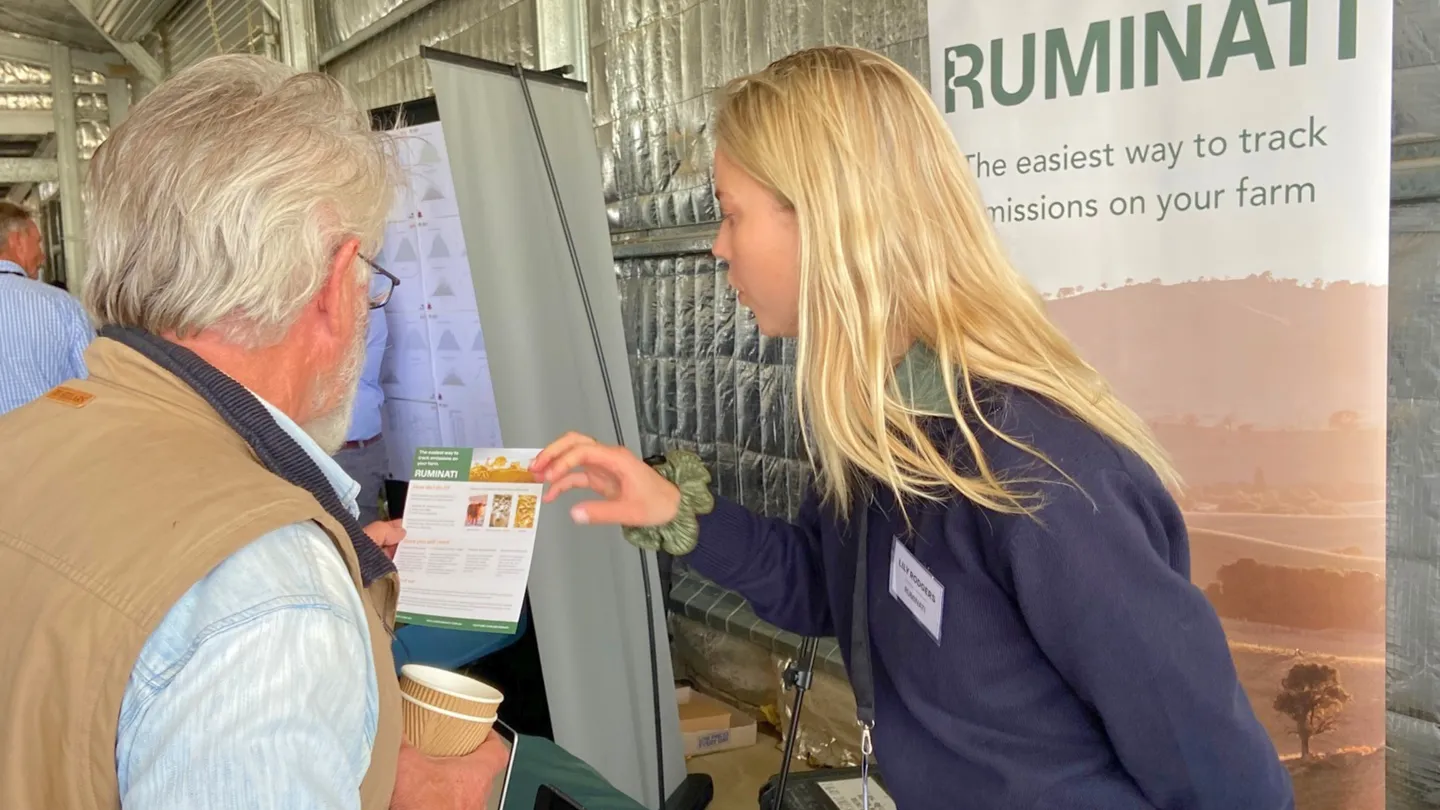
Ruminati sits at the producer end of it. Producers own their data and decide who sees it, so what a business receives is what producers have agreed to share. Within that, the platform calculates each producer’s emissions to the national guidance, whether the enterprise is a mixed farm of a hundred hectares or a large feedlot, and brings the results together in aggregated form in place of a stack of separate spreadsheets.
The route the data takes matters to a reporting team as well. A request goes to the producer with its purpose stated, the producer’s organisation admin agrees to it, and what comes through is usually emissions summary data that can only be used to report on farm-level emissions in aggregated form. Coverage therefore builds as producers agree, and a reporting team can plan collection in stages across the producers it works with.
None of this removes the reporting obligation that sits with the business. It addresses the collection and reconciliation work, which is the part that has to be done before any reporting can start.
Teams scoping what Scope 3 data collection looks like across their producers can email Ruminati at hello@ruminati.com.au.