The reporting threshold drops again from July 2027, and it is the step that reaches further into agricultural supply chains. Mandatory sustainability reporting has been rolling out since January 2025, and the first year captured businesses with over 500 employees, $1 billion or more in consolidated gross assets, or $500 million or more in consolidated annual revenue. The threshold has been lowered in stages since, and the next stage takes it to over 100 employees, $25 million or more in gross assets or $50 million or more in annual revenue.
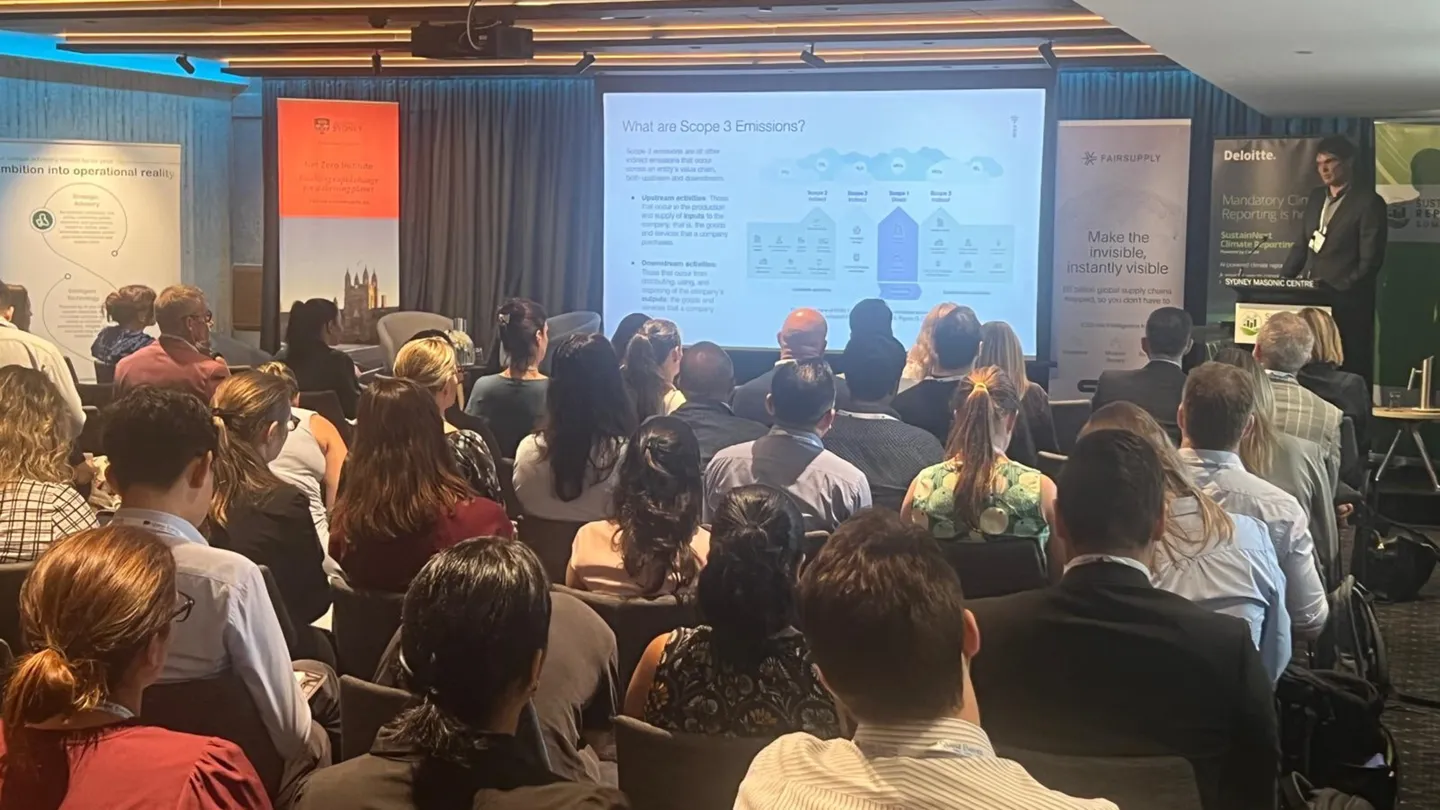
That level starts to capture a meaningful number of the mid-sized processors and larger feedlots that sit in the middle of Australian agricultural supply chains. They will lodge annual Sustainability Reports with ASIC under the Australian Sustainability Reporting Standards, covering Scope 1, 2 and 3 emissions alongside climate-related financial risks and governance. For a processor or feedlot, Scope 3 includes the emissions in the livestock and agricultural inputs it sources, so a credible figure depends on data from the producers behind it, and the pressure moves down the chain from there.
That puts part of the timeline in the hands of the farm. Producer figures are built from annual records, so the lead time is measured in seasons, and a business that starts collecting them well ahead of its first report is in a different position from one that starts in the reporting year.
How the figures are sourced matters as well, and lawyer Kristen Roy, in an earlier Ruminati conversation about mandatory reporting, explained that estimates built on national averages make it hard to show a year-on-year reduction unless the national factor itself falls. Figures collected from suppliers can show a reduction when the farms in a supply chain change what they do.
None of this is a reporting obligation for producers, although the businesses they supply are increasingly asked to account for what happens on the property, and the ones asking first are usually the ones whose own deadline is closest. A producer who has their figures ready when the question arrives is in a different conversation from one who does not. The difference is modest at first and compounds as the data builds up, and because producers decide who sees their figures, it shapes what a supply chain can reasonably ask for.
On Ruminati, farm-level figures are built on regional emissions factors and stay with the producer, who chooses which organisations see them and can turn that access off at any time. With their permission, results can be brought together across the producers a business works with, which gives a processor or feedlot a record that grows each year ahead of its first report.