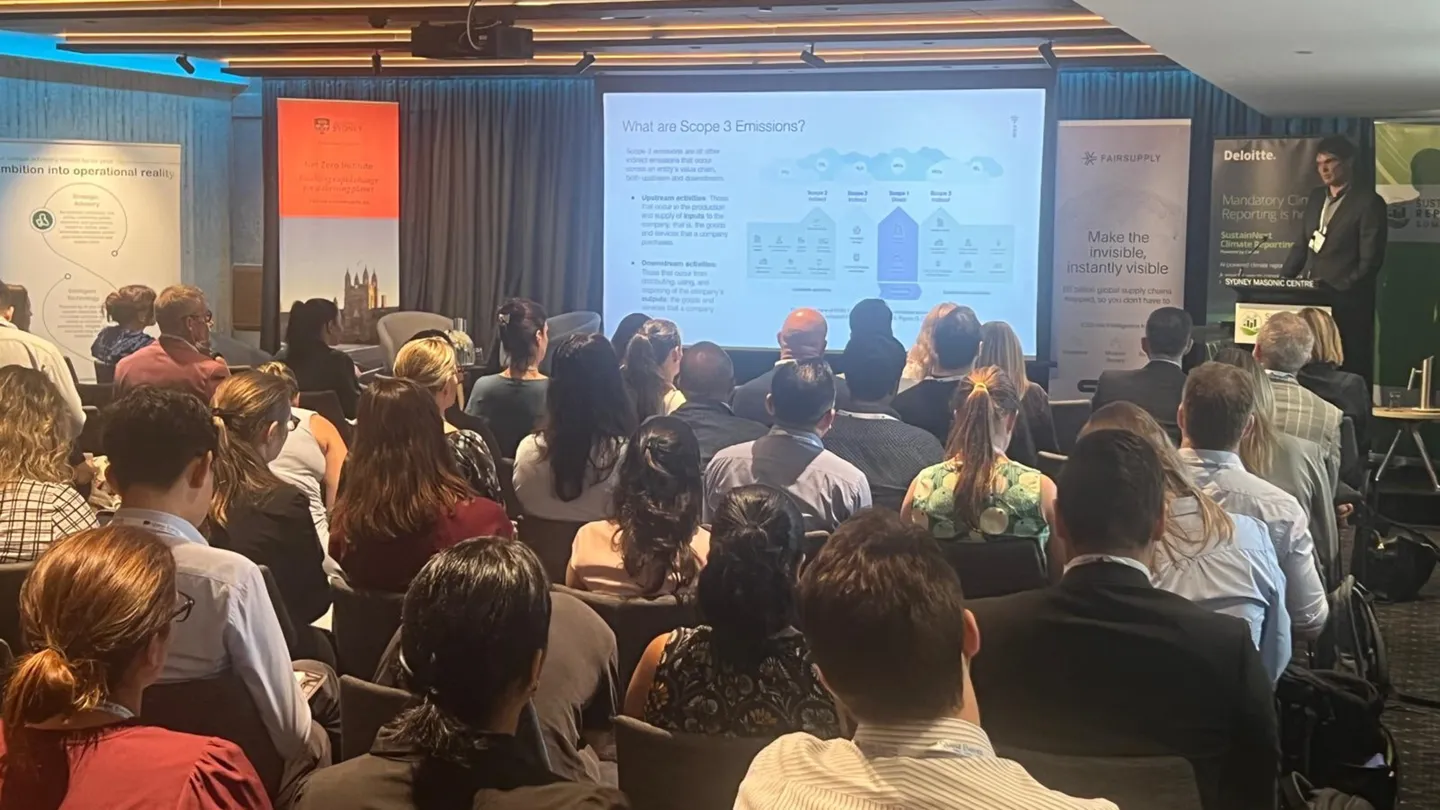
Businesses across the supply chain, banks included, are working through mandatory climate reporting and asking more producers for more data as they do. From the producer side, the question that comes back in different forms and from different directions is who that data is working for.
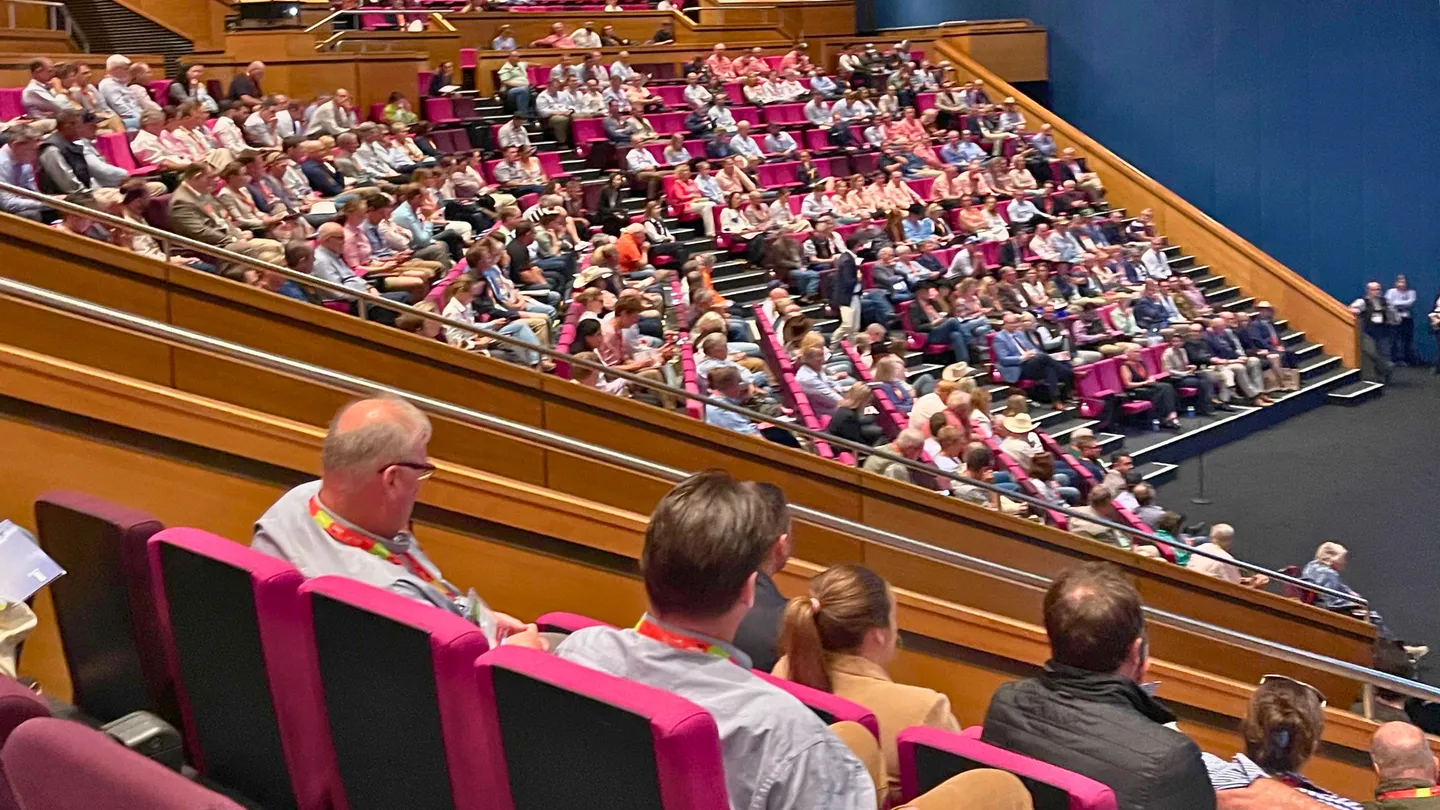
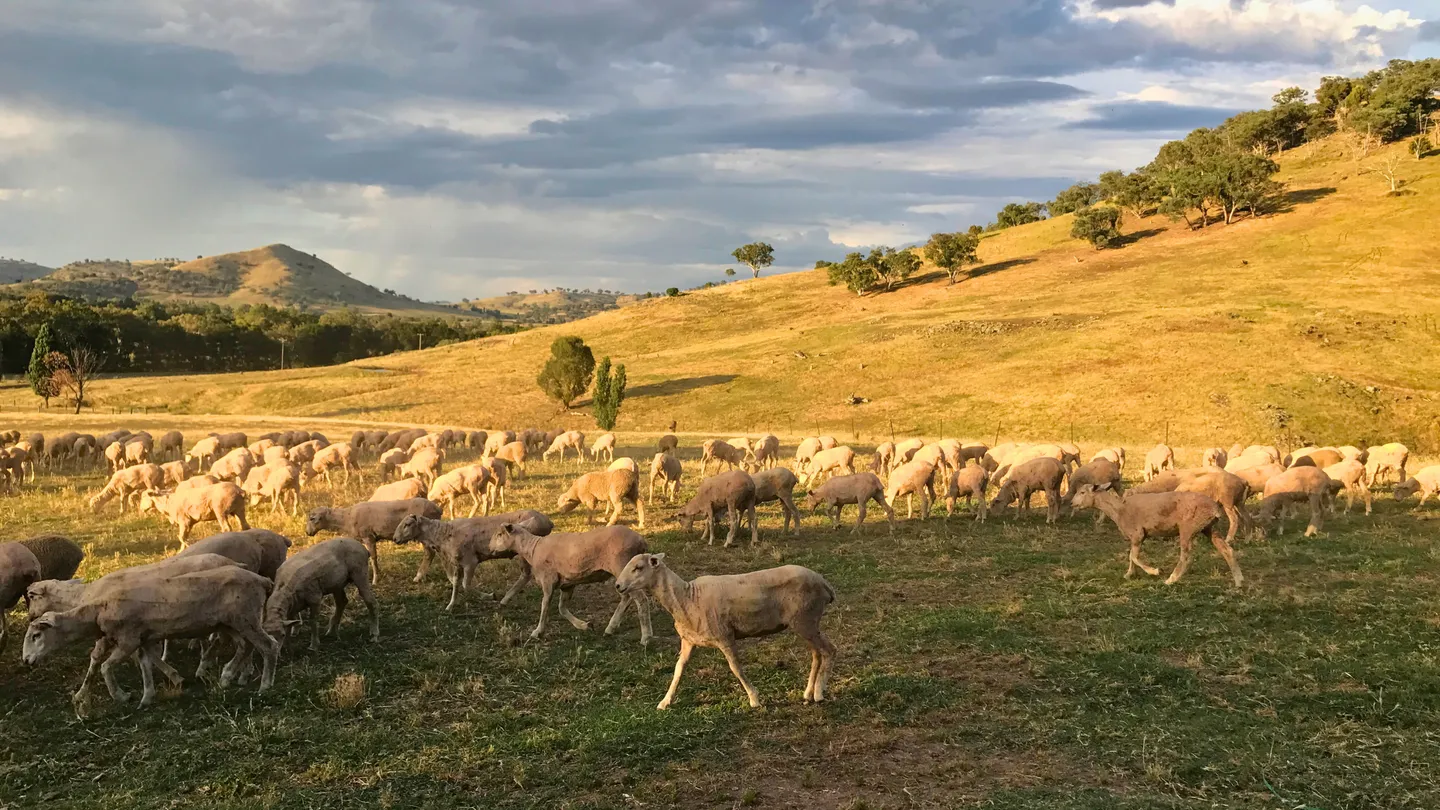
A 2025 Nuffield Scholar, Maggie Jarrett, spent the year researching it across twelve countries, and is presenting the findings at the Nuffield Australia National Conference in Darwin. The pattern she found was reporting systems designed around what a business or government needs to report, with less attention to what works for the producer supplying the data. In her research that gap was steadily eroding producer trust in the institutions asking, which included government and research bodies as well as businesses. A version of the same pressure is reaching beef, grain and wool producers in Australia, many of whom lack the scale or dedicated staff to provide the data easily. At the extreme it can threaten a farm business with no offsetting return. One of her recommendations is farmer-led risk mapping through the Research and Development Corporations, so that what threatens a farm business is identified before research and capital are directed at solving it.
Ruminati’s own conversations with producers and supply chain partners earlier this year are a smaller body of work, and some of it points the same way. Producers told us that trust in sharing data builds through personal relationships far more than through institutional messaging. They also described the heaviest part of reporting as gathering records that sit with different people, in different formats and across different systems on the farm, before a report can begin. Both of those sit upstream of the report itself, in who the request comes through and in how much gathering it takes.
For a business asking for data, those two points are practical. A request that arrives through someone the producer already trusts, with its purpose stated, starts in a different place from one that does not, and anything that reduces the gathering lowers the cost to the producer of saying yes. Producers weighing a request are asking the same question the research asked, only at the scale of one farm.
It is the question Ruminati was built around. On Ruminati, producers own their data and choose who sees it, and a partner’s request shows the producer what is being asked for and why before any decision is made. That does not settle the question on its own, and it is where the work starts.