Australian Wagyu now produces 80% of its output at marble score six and above. Four years ago that same share sat between MS3 and MS6, and the sector’s account of how it got there is a useful one for any business building emissions data from farms.
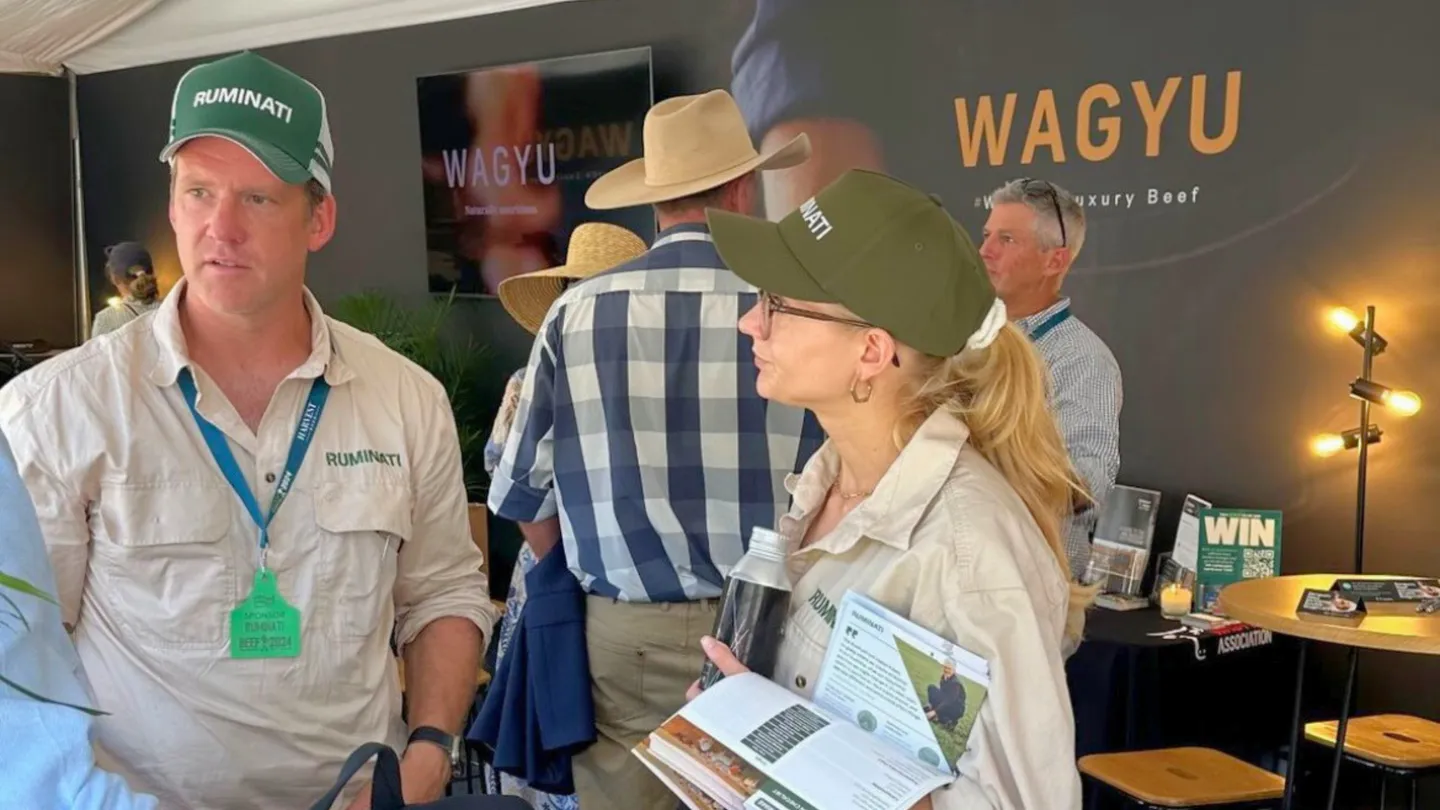
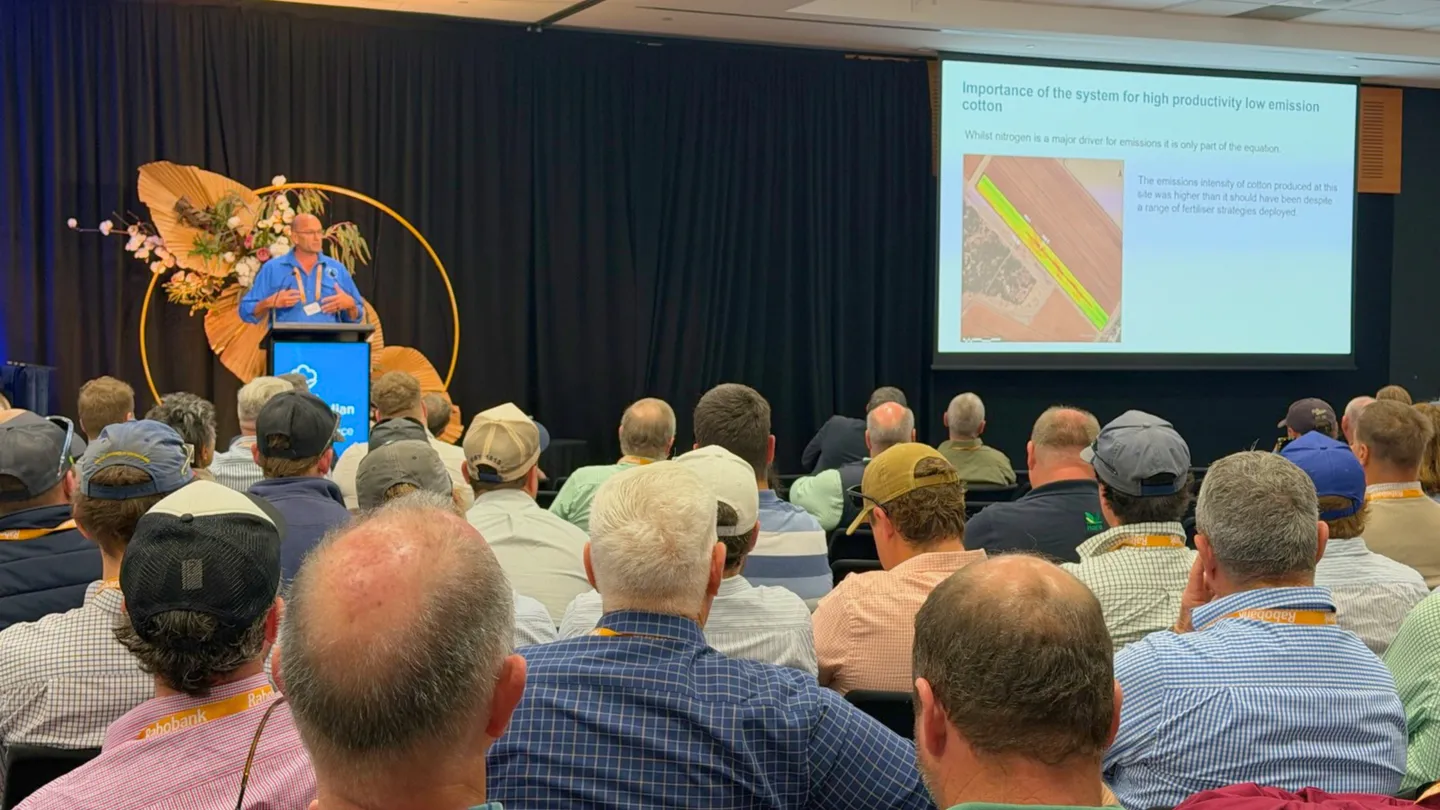
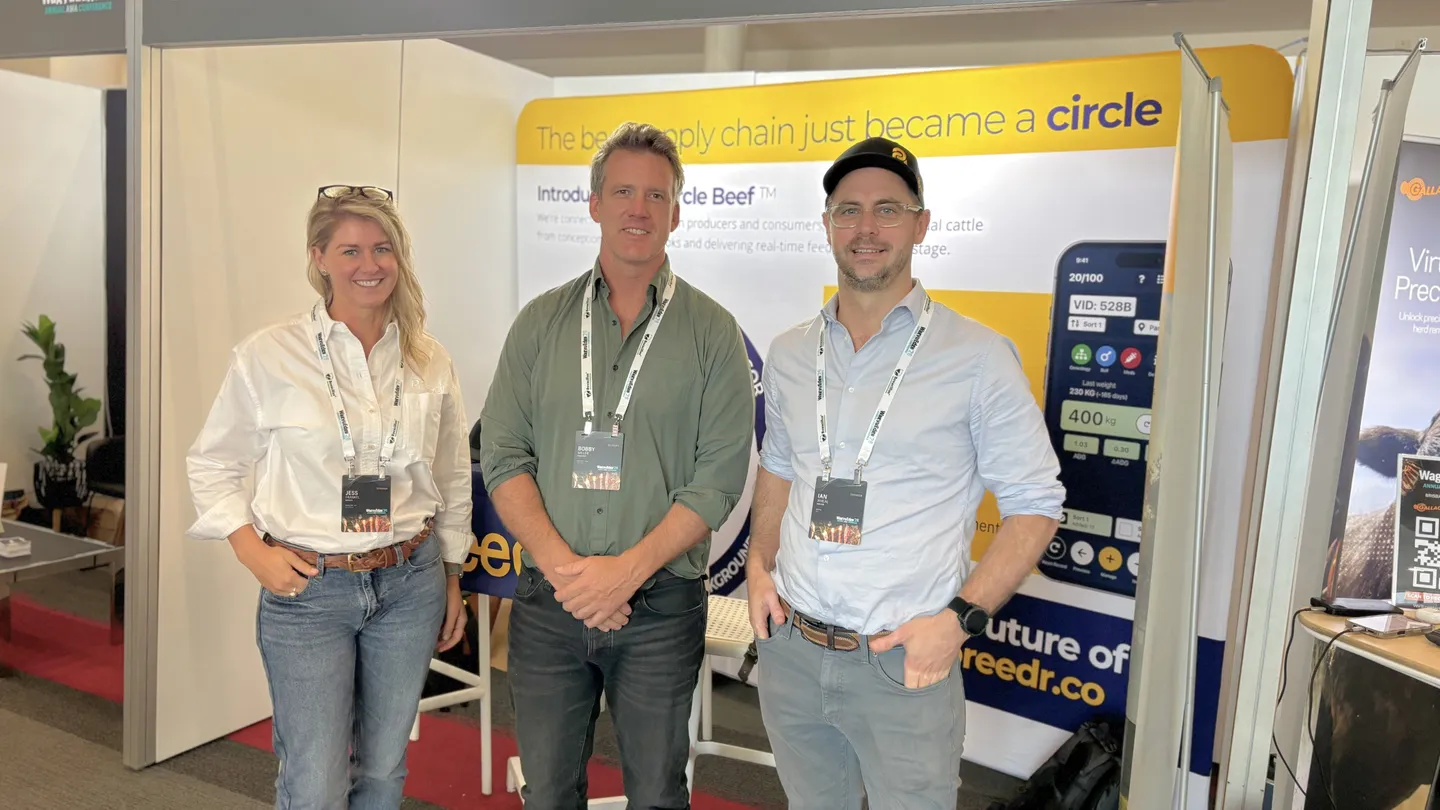
That account came out at WagyuEdge 2026 in Brisbane, which Ruminati co-founder and CEO Bobby Miller attended as a Wagyu producer and Australian Wagyu Association member. The mood was positive, with global demand for Wagyu holding and the herd upgraded significantly.
The improvement came from the industry deciding marble score mattered, building the data infrastructure to track it and staying with it before the gains were visible. There are now 690,000 animals on the genomic database, with Wagyu Breeding Values replacing estimated breeding values (EBVs) this year, and a shared framework kept up over years is what made the numbers move. It is one of the cleaner examples of that in Australian agriculture.
What carries over to emissions is the question a producer answers first, which is what keeps the records going through the years before the payoff is visible. On a farm, emissions intensity moves with decisions a producer already weighs for profitability. Annual records show whether a change to grazing or fertiliser use moved the result, so the figures earn their place in running the farm before anyone else asks to see them.
Where the figures come from matters for the businesses reporting on them. Lawyer Kristen Roy, in an earlier Ruminati conversation about the new reporting rules, explained that estimates built on national averages make it hard to show a year-on-year reduction unless the national factor itself falls. Figures collected from suppliers can show a reduction when the farms in a supply chain change what they do, and records that run over several years give that supplier data its seasonal variation and the trend underneath it.
The emissions conversation in agriculture is quieter in some forums than it was a couple of years ago, although the drivers have not changed. Supply chains are still under pressure to report and banks are still asking questions, while export markets keep moving in the same direction. The Wagyu sector built its habit of measuring before the payoff arrived, and that track record with data should count for something as the next set of questions comes into focus.
On Ruminati, producers build farm-level figures using regional emissions factors, and the data stays with the producer, who chooses which organisations see it and can turn that access off at any time. With their permission, results can be brought together across the producers a business works with, so each year adds to the same record. For producers wondering where to start, Ruminati PRIME is free to get started and takes about 30 minutes.