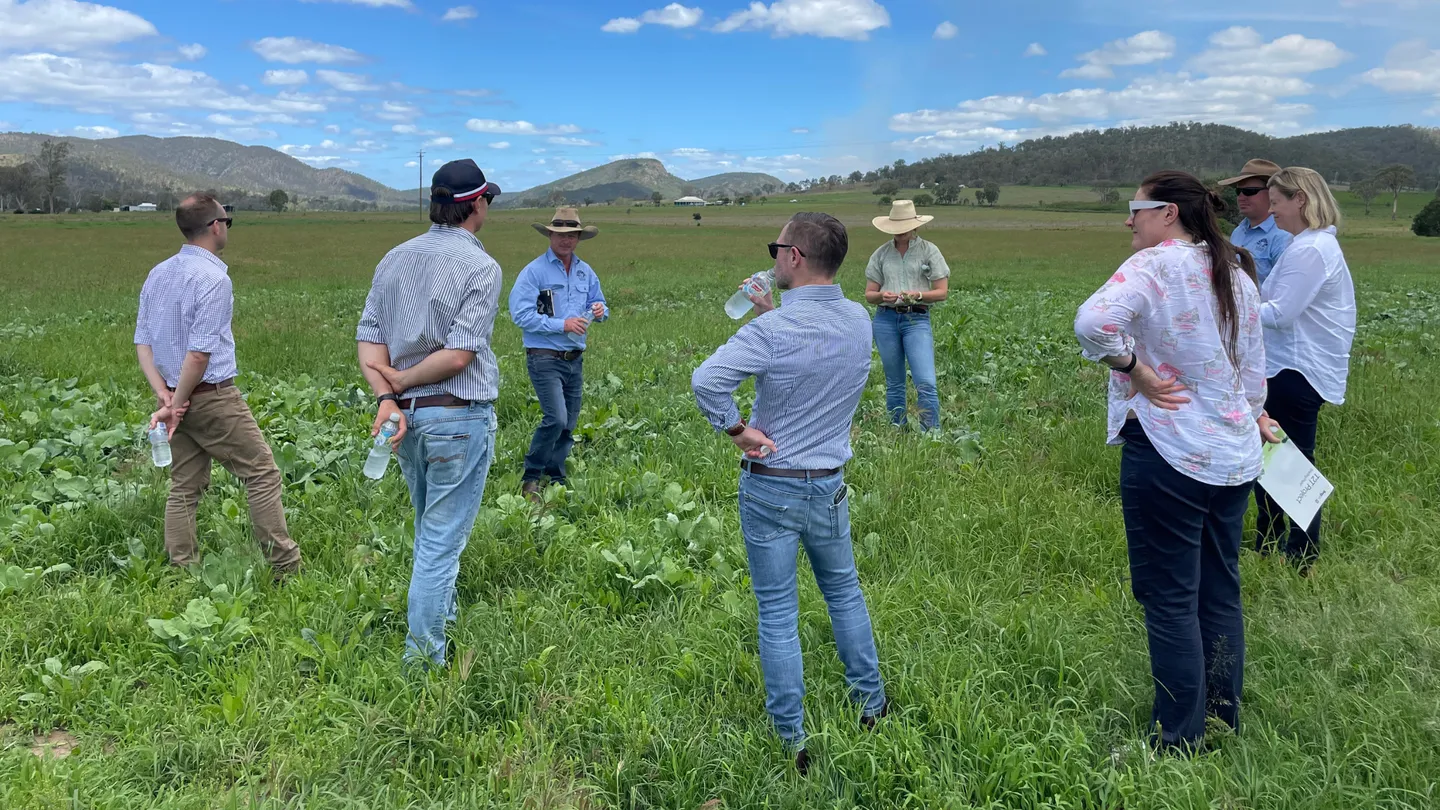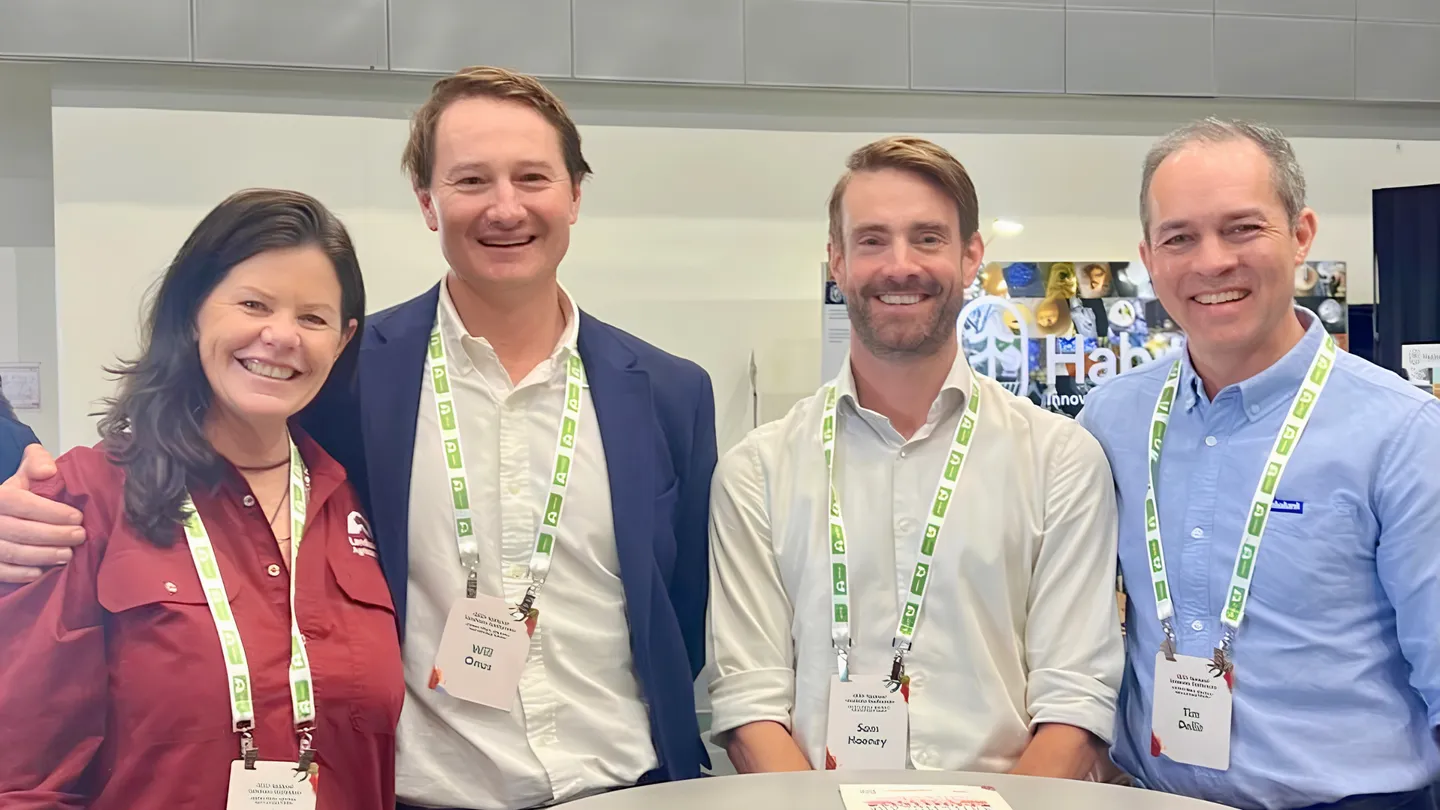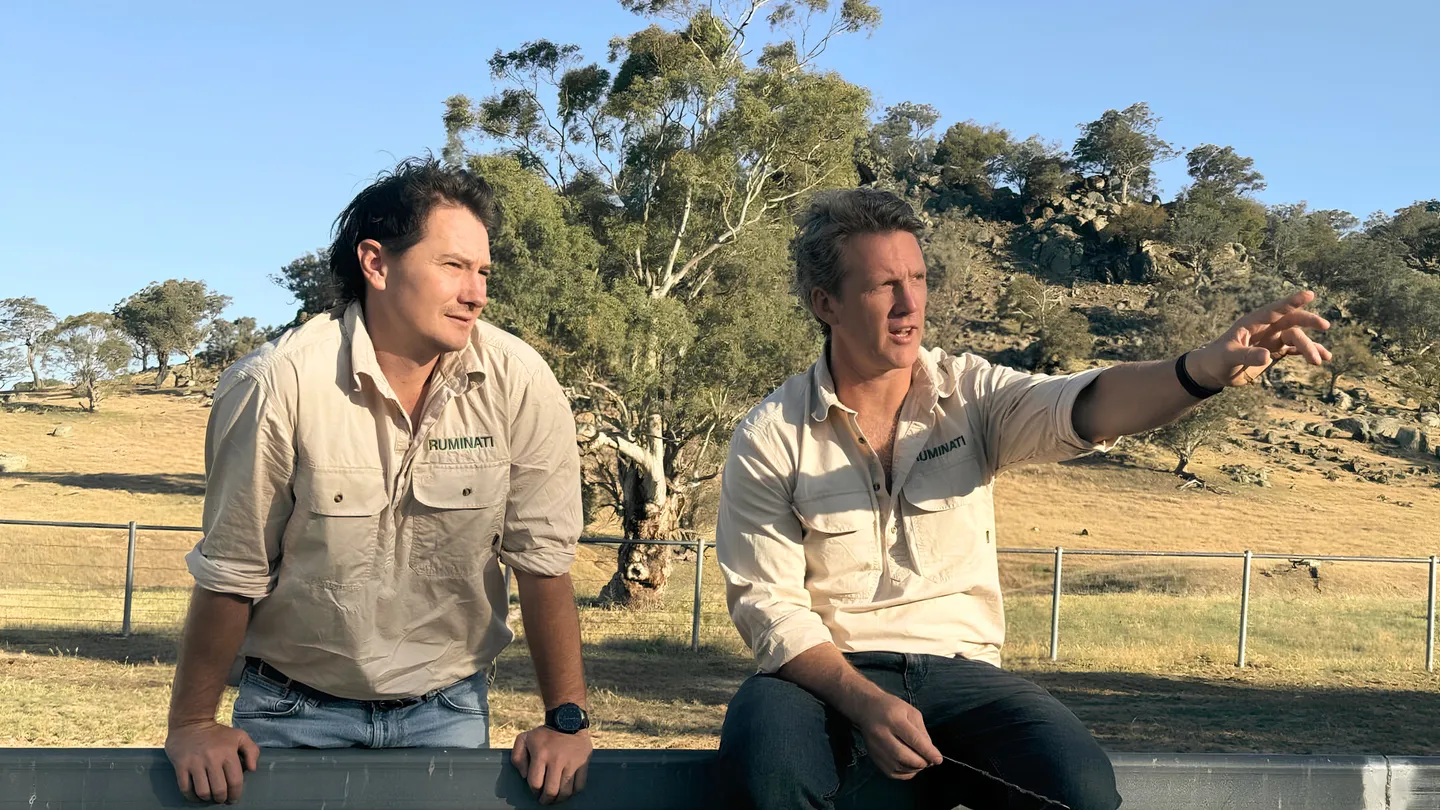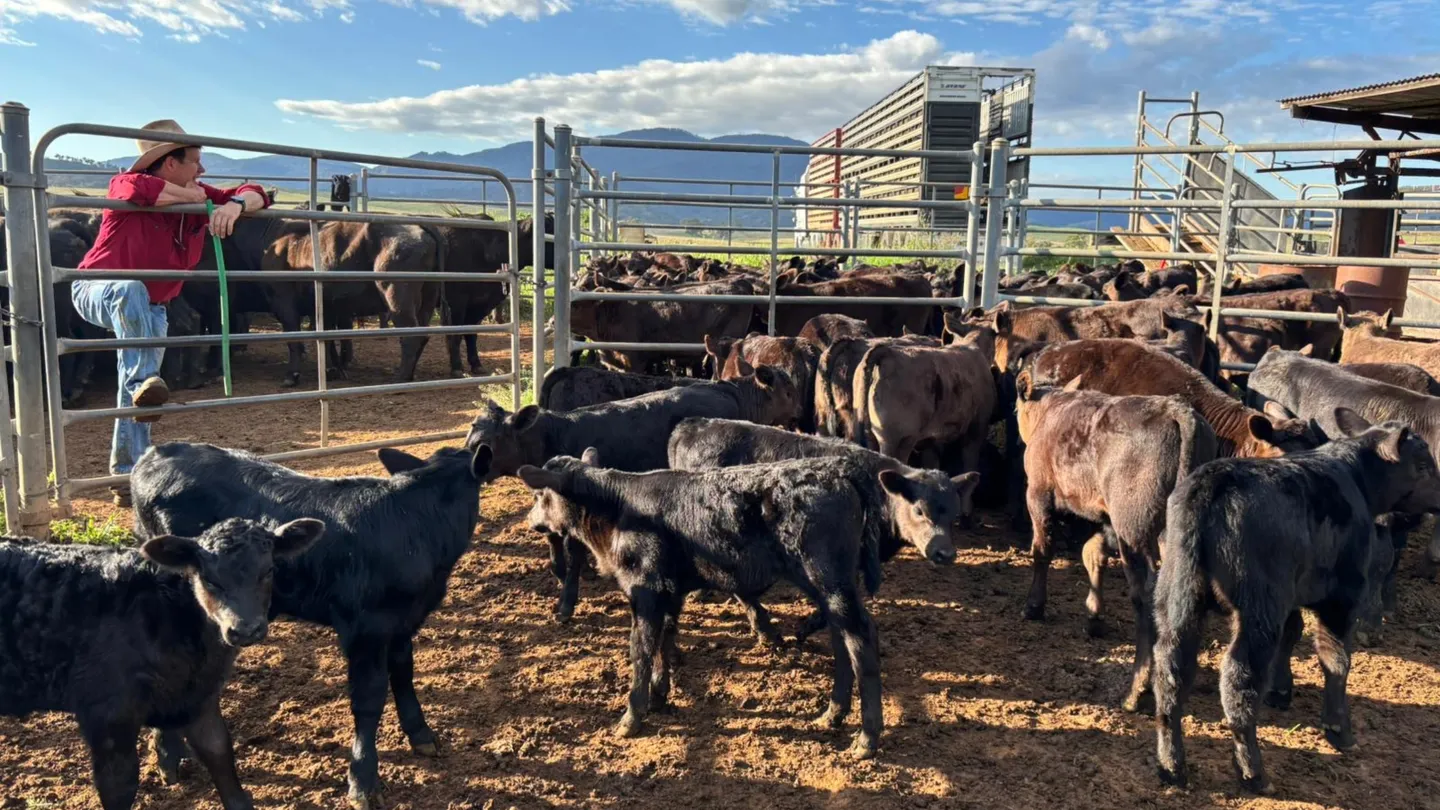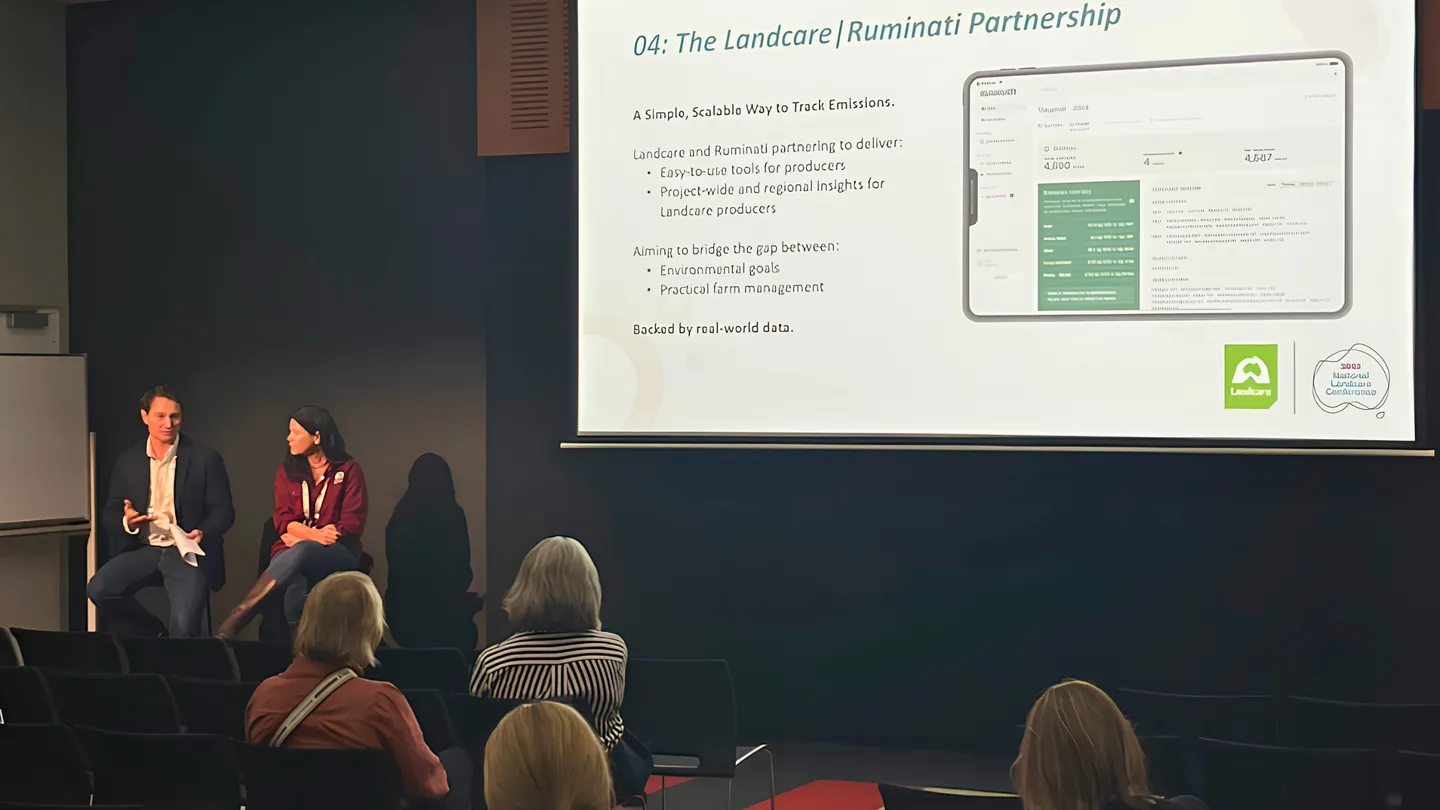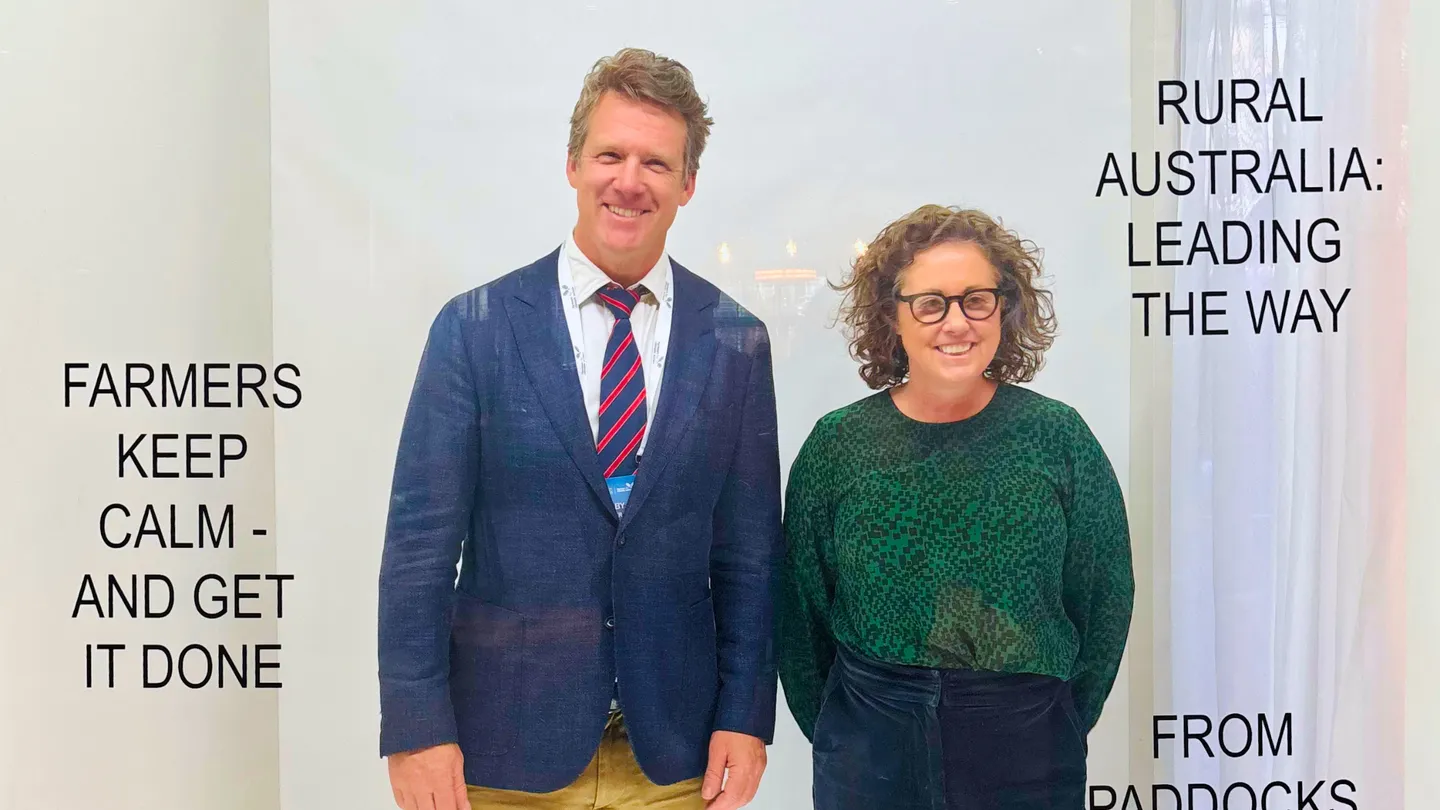
Most producers have been asked a lot of questions about emissions by the businesses they sell to or bank with, and a fair number have noticed that the years of work they have put into their trees and soils never made it into the answers. That gap between what is being asked and what is being credited was where a panel started at the Farmers for Climate Action Farming Forever Summit last month. Ruminati CEO Bobby Miller chaired it, with farmer and Nuffield Scholar Robert Arvier, producer and carbon project leader Dr Lorraine Gordon, Commonwealth Bank’s Head of Agribusiness and Sustainability Carmel Onions, and IPCC Lead Author Dr Carly Green from Environmental Accounting Services (EAS).
Producers in the room put the question directly, asking why sequestration work in their trees and soils has not been reflected in reporting frameworks. Dr Green’s answer was that sequestration is meant to be part of the new national guidelines, which would bring recognition to on-farm practices that have gone uncredited until now. That describes the direction the guidelines are heading in, and how much of that work counts in the figures, and from when, depends on the detail being settled. In the meantime a record of what has been done on the property and when is a sensible thing to keep, so it is there if and when it is counted.
The second half of the conversation was about what gets farmers moving, and the panel’s consensus was that positive incentives will move more producers than compliance pressure ever will. A farmer in the room gave the reasoning in one line: “We’ll run a lot further for a carrot than we will from a stick.” Put plainly, a payment or some credit gives a producer something to head towards, a penalty only gives them something to get away from, and the first takes people a lot further. Robert Arvier pointed to a handful of early-stage programs already paying farmers to measure and reduce emissions, and recognition for tree and soil work is the other half of the same idea.
Both halves are still early. The programs that pay for measuring and reducing emissions have to begin with a measurement, so the farm’s own figures are the practical starting point, and any recognition for sequestration would be easier to claim for a producer who already has the records. Bobby came away from the day with the sense that the conversation has moved on a long way. Policy has a role, but the farmers in that room were already looking for ways to take part without waiting on it, and what they need is for the frameworks and the incentives to catch up with them.