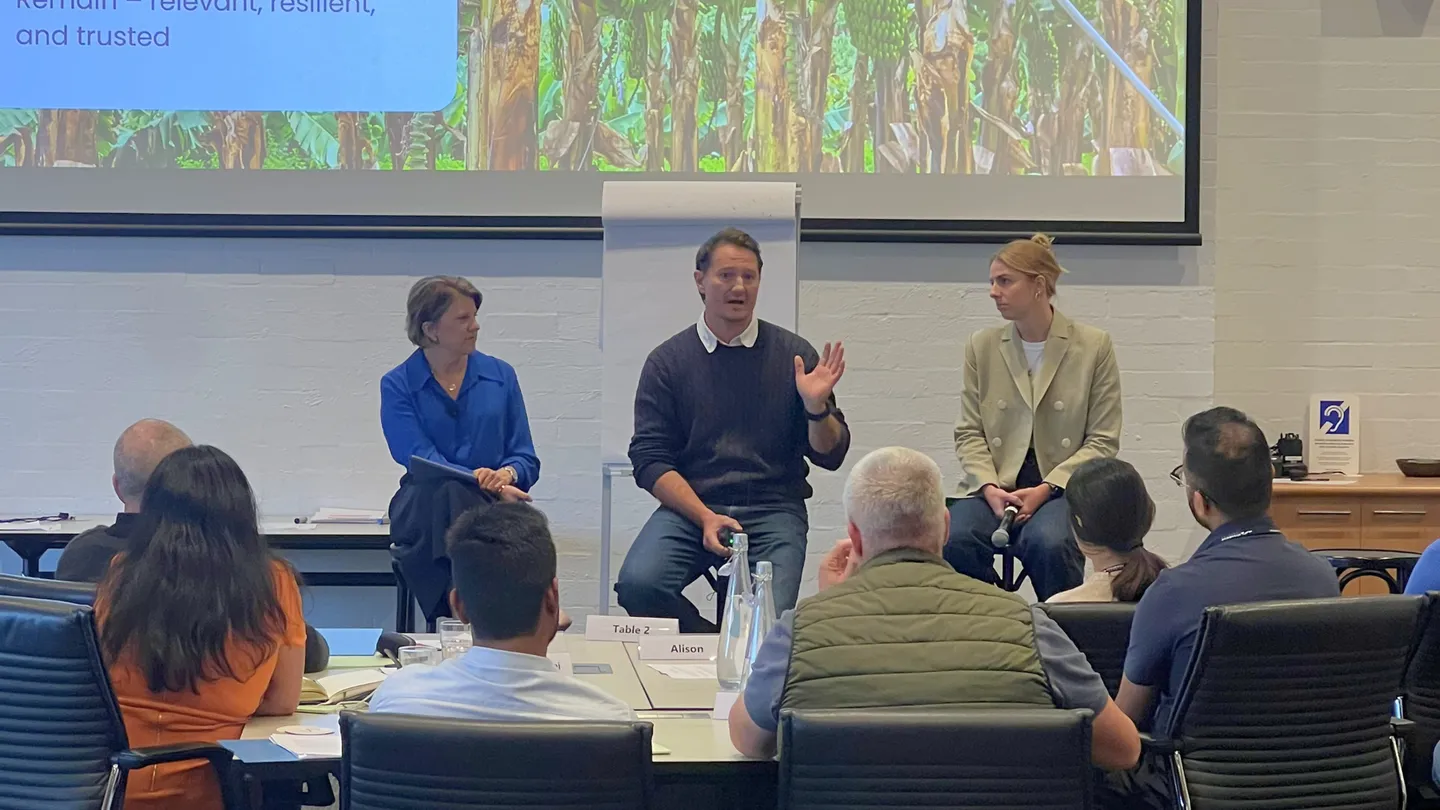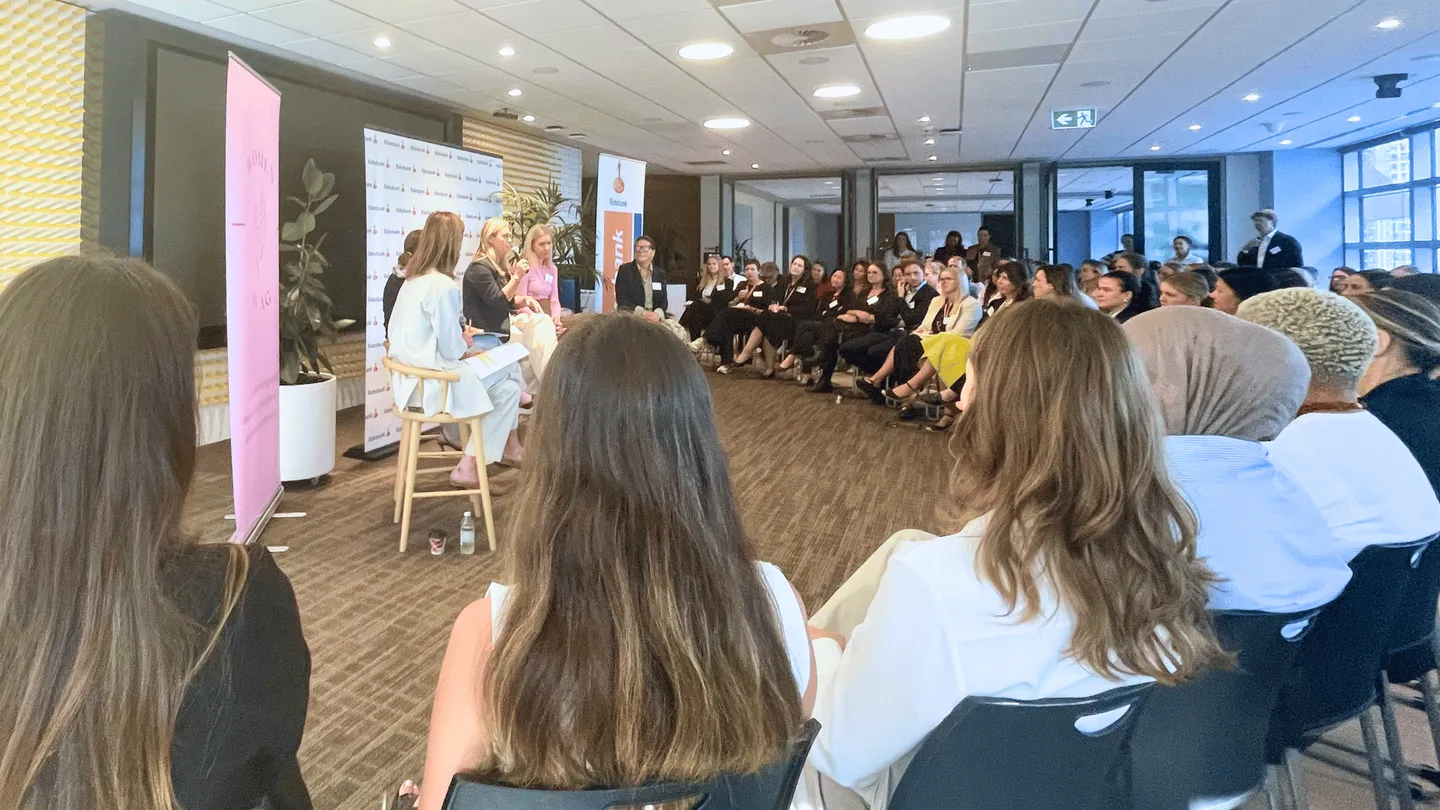
For a business that wants its program used on farms, the route in often runs through the people a producer already trusts, whether that is the advisor or the Landcare group. It is the practical side of a point Ruby Riethmuller made at Rabobank’s Women in Ag breakfast in Sydney this week, that it takes a village to build a business in the way it takes one to raise a child. Her village includes the mentors, and the people who back an idea before it is obvious they should.
Ruby is the Founder and CEO of Womn-Kind and Deputy Commissioner for Lived Experience at the Mental Health Commission of NSW. She spoke alongside Emma Williams of Acre Agency and Amanda Ferrari of The Boarding School Collective, and the three came into and through agriculture by different paths. The breakfast drew people from Landcare Australia, Rabobank, Cotton Australia, Andrews Meat Industries, Number 8 Bio and The Woolmark Company.
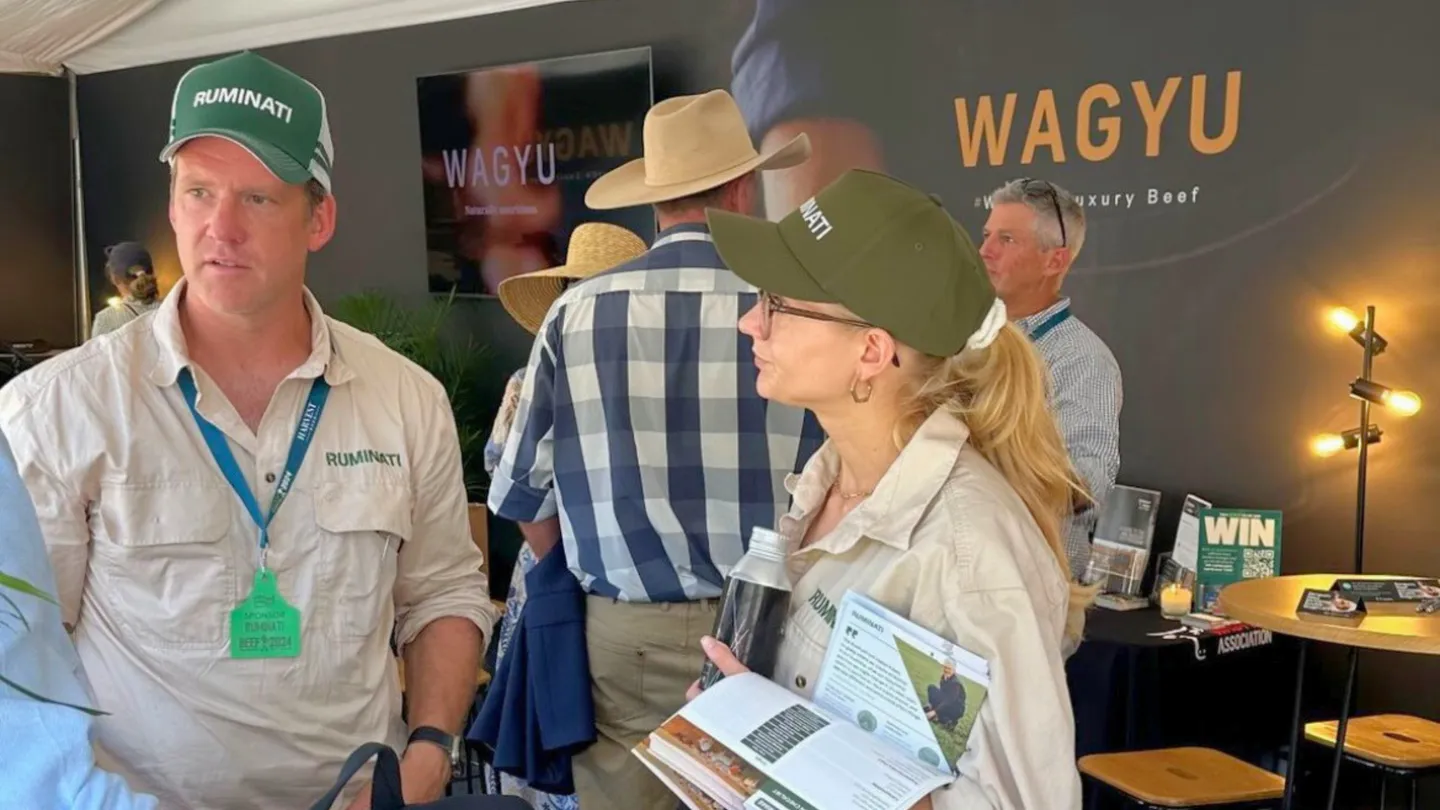
The variety ran through the morning, since many of the businesses represented had been built out of necessity, by someone identifying a gap and going after it. The increasing digitisation of agriculture is also opening the sector to a wider range of skills and perspectives than it has traditionally drawn on. Agriculture already understood community better than a lot of industries, with networks that run through producer groups, Landcare, industry bodies and supply chains, so the village a producer draws on is getting wider. Ruminati’s own team is part of the same shift, with women across marketing, customer success, strategy and partnerships.
The same widening shows in the Ruminati Partner Network, where bookkeepers, accountants, agronomists, farm consultants, Landcare groups, NRM groups, farmer collectives and producer organisations can all register as service providers. They support producers with their emissions reports, with the producer’s permission, and the organisations registered include financial institutions, accountants and extension groups, Rabobank among them.
The people doing that work are the ones producers already bring their questions to. At a Train the Trainer session in March, advisors and group leaders worked through those questions, including what an emissions report counts and what an audit costs. Holbrook Landcare registered as a service provider afterwards, with several other groups working through the process.
Those sessions exist because facilitators, group leaders and advisors are often the most effective way to reach a farming community. They are also where Ruby’s early backers show up in practice, since the time spent preparing the people who answer a producer’s questions comes before there is any return to point to. A practical question for a business designing a supplier program is who sits between it and the producer, and whether those people have had the chance to work through the program before the producers start asking.