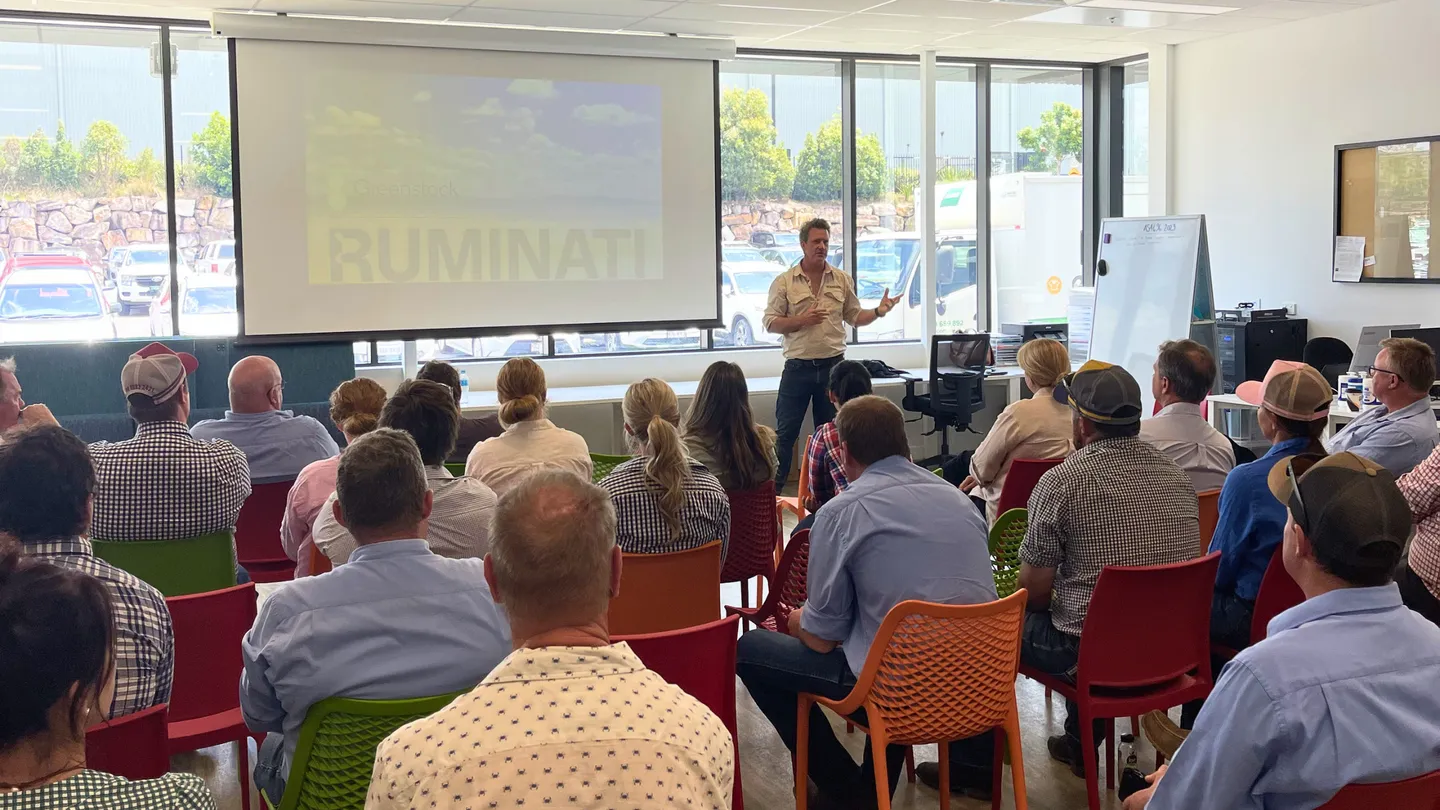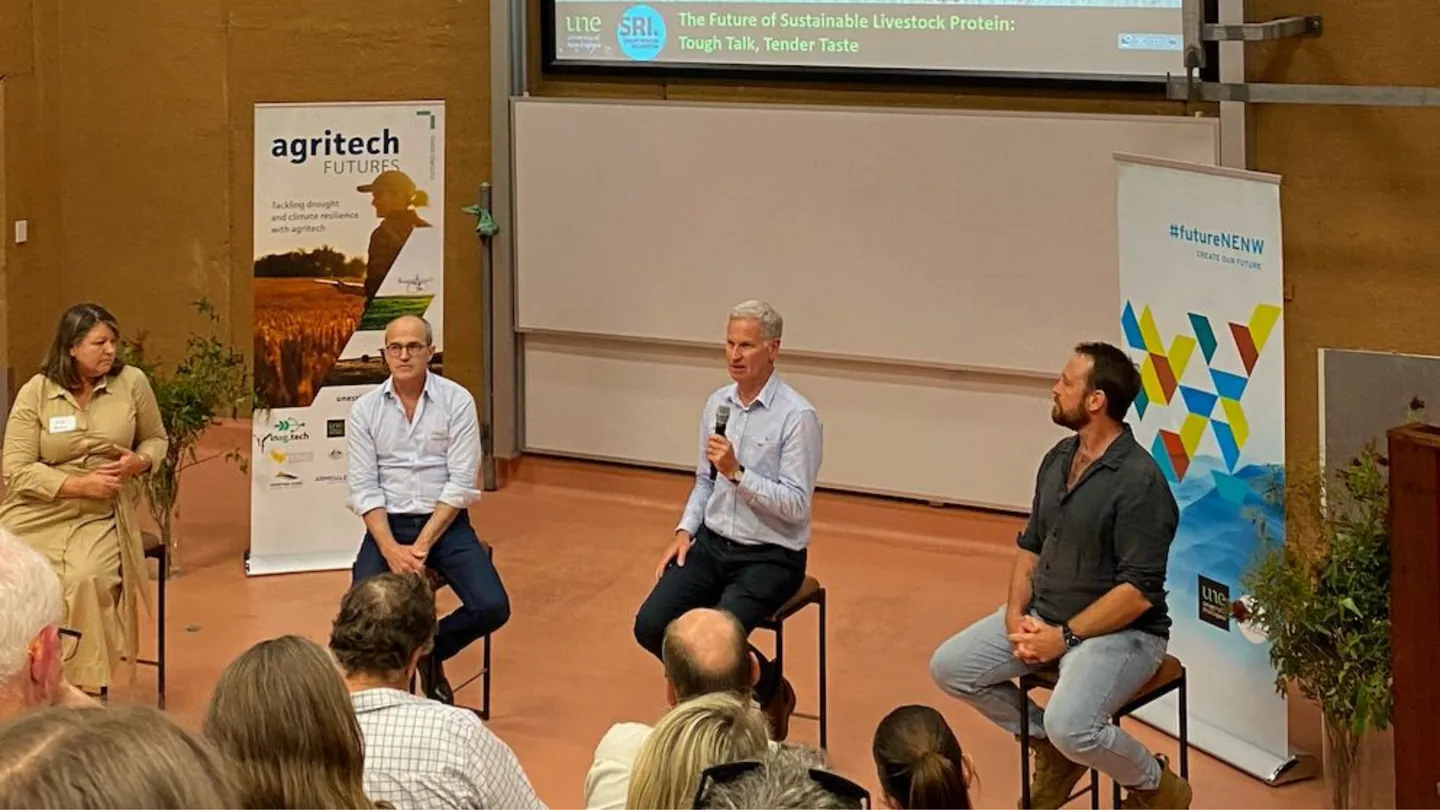
A year’s worth of information on inputs, livestock, production and land management is what an emissions report is built from, and it’s the same information producers work with on the farm every day. That is useful to keep in mind alongside a line that came up at the UNE Smart Region Incubator’s Future of Sustainable Livestock Protein Summit last week: “The longer you leave it, the longer you’ll take to catch up.” The summit brought together producers and researchers along with industry figures for a day of conversation about where the livestock sector is heading and what producers need to know to stay ahead of it.
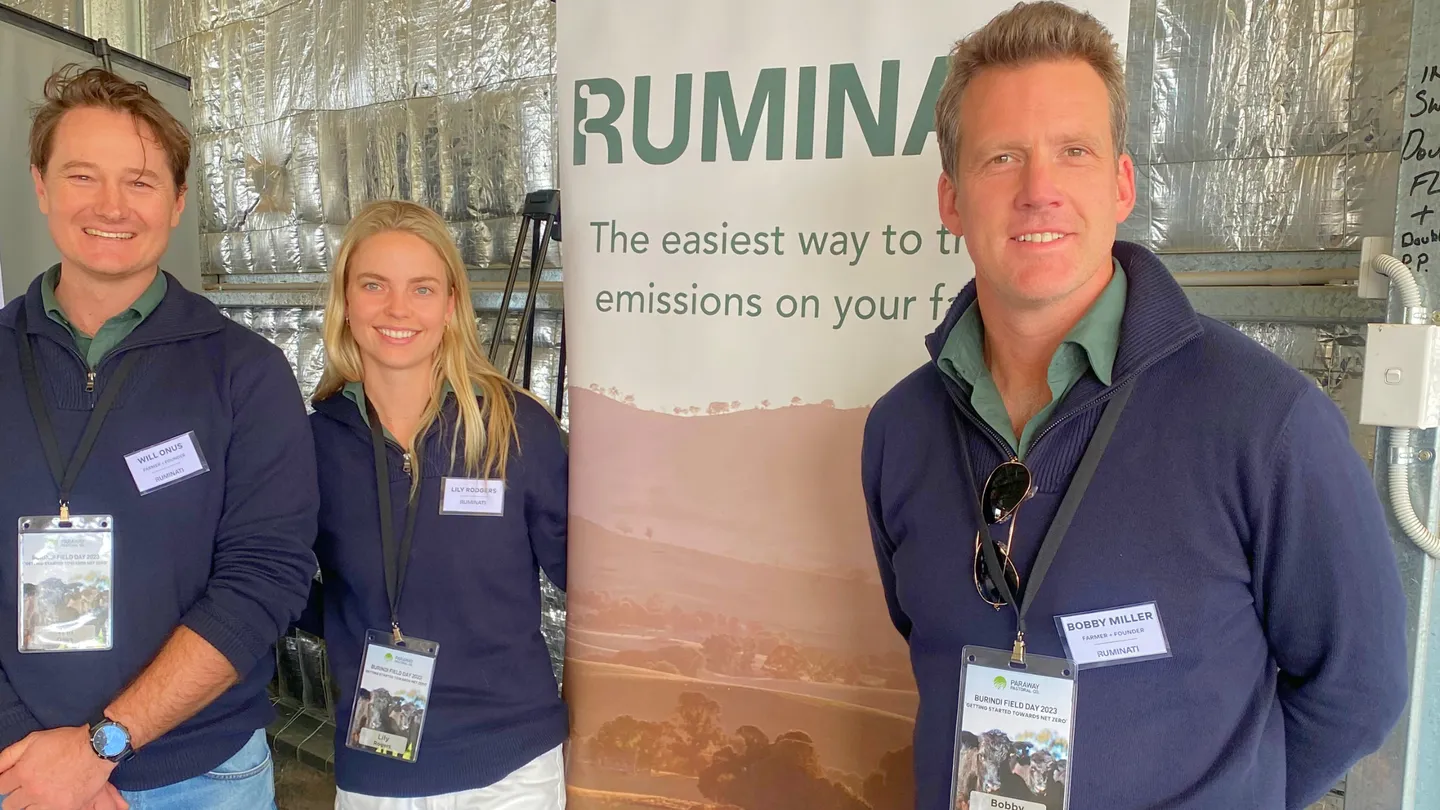
Lily Rodgers was there for Ruminati, and the day covered a lot of ground. Four speakers, Paul West, John Harvey, Josie Angus and Johnny Khalbetzer, worked through consumer trends and supply chain dynamics along with the practical strategies available to producers navigating a rapidly shifting landscape, and the common thread across all four was the importance of acting early. That meant understanding what’s coming and building the capability to respond without waiting for a reporting deadline to start paying attention. Thanks go to the UNE Smart Region Incubator and Lou Conway for organising a day that took these questions seriously and gave producers the space to engage with them honestly.
The timing matters because large food businesses such as feedlots and processors, as well as major retailers, will be required to report on their Scope 3 emissions within the next year or two. For those businesses, Scope 3 means the emissions embedded in the supply chain behind their products, which means the data has to come from farms. Producers who already have an emissions report in place are in a fundamentally different position when that request arrives than those starting from scratch, and since the information is theirs, it helps to know it stays that way, with each producer deciding who sees it and nothing shared without their say-so. It’s reasonable to be wary of a report that turns into a standing request, and the honest position is that the requests are coming either way, which is why having the report done on your own terms is useful.
Getting a first emissions report together takes time, mostly because it means pulling together a year’s worth of data on inputs, livestock, production and land management, and none of it is technically complex. The producers who do it now have something to build on, whereas those who wait are starting the clock later than they need to. The report itself is only the starting point, since what matters is what a producer does with what it shows about how the business is running, and supporting producers through that first emissions report is what Ruminati’s platform is built for.