Even when you have been through your records line by line, a first emissions report can leave you wondering what happens if something in it turns out to be wrong. Livestock numbers, fuel use, fertiliser and chemicals all go into one place, often for the first time. The records behind them may live in a few different spreadsheets or in your head, so it is easy to feel that only an exact figure will do.
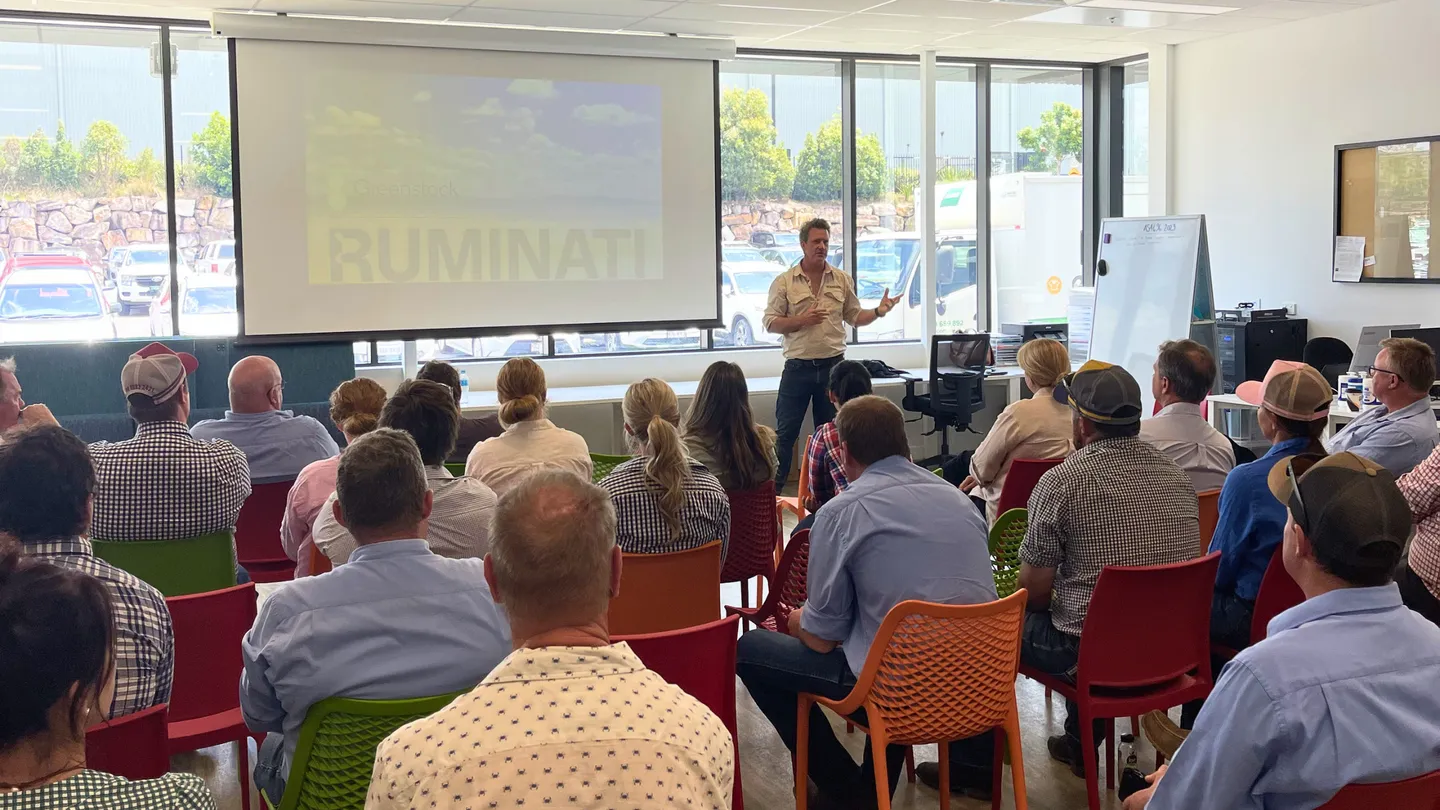
The standard is one you already work to. Will Onus, our COO and a Wagyu producer himself, made the comparison with the BAS at a producer session earlier this year. When you lodge a BAS, the declaration is that, to the best of your knowledge, “this information is true and correct at the time I created it.” Nobody expects a BAS to be flawless the first time through, and Will’s point was that an emissions report is held to the same standard.
That puts the effort in front of the entry. Before you enter a figure, the useful question is whether it reflects the best records you hold at that point, and the records you worked from are the evidence behind it. Accuracy at the time is what the standard asks for, and it is within reach of a producer whose records sit in a few different places.
Better records do sometimes turn up afterwards, and a report can be corrected when they do. A figure that a bank or buyer has already used in its own reporting is harder to change months on, though, because the change reaches their numbers as well. That is another reason the care belongs on the day you enter it.
For many producers the worry about getting it wrong is a bigger hurdle than the reporting itself. Working from your best records at the time, and keeping hold of them, is a standard you can meet without having to be exact. It is the same one you already meet each time you lodge a BAS.