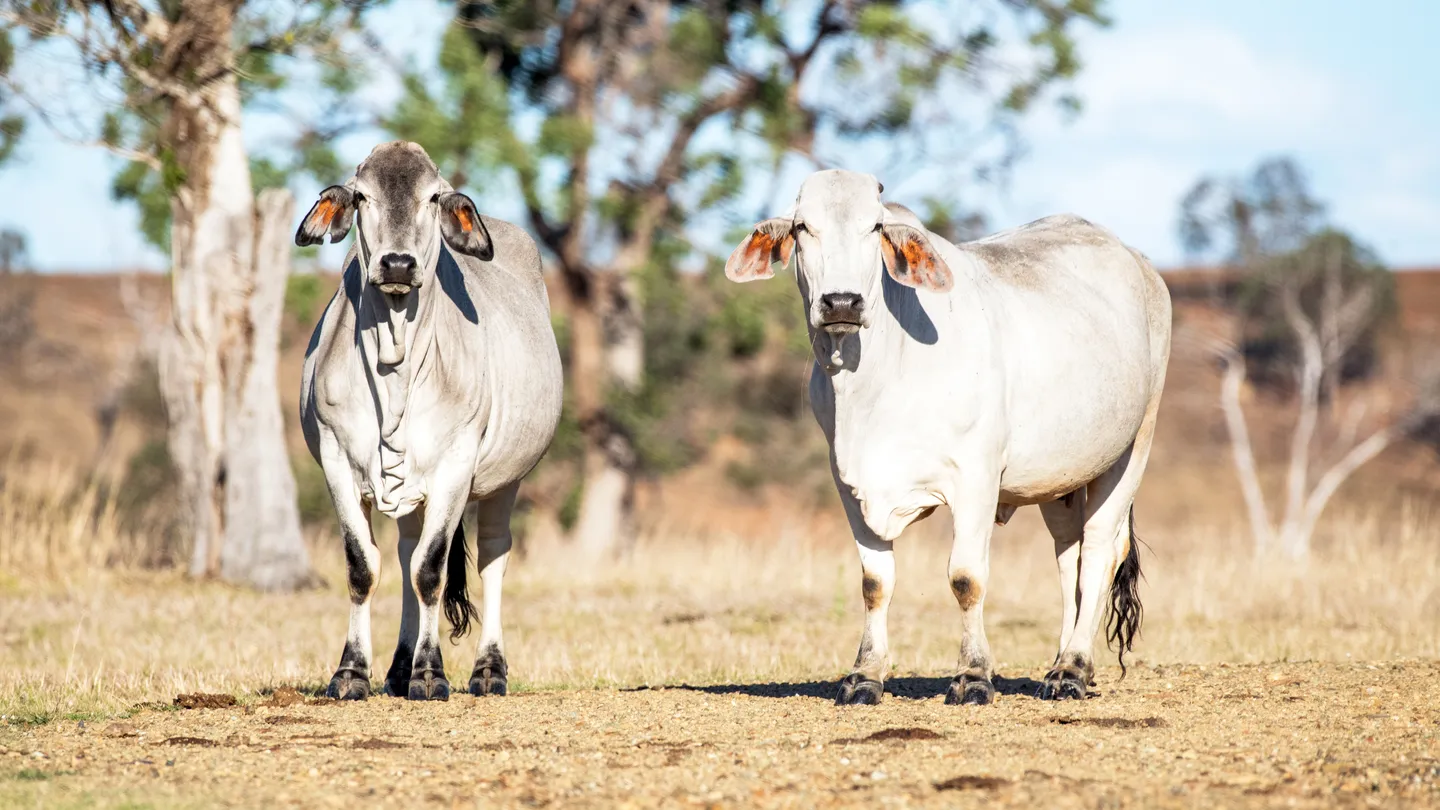
A first emissions report is a meaningful start, and what it shows depends a lot on the kind of year the farm has just had. Take a producer who completes that first report after a drought year, with stock numbers cut right back, and who then looks at a later year with good seasonal conditions and the paddocks fully stocked. The second figure will be much higher than the first, and the difference reflects the change in circumstances. A producer with only one year of data has no way to explain that context, whereas a producer with four years of records can show the full picture, including the seasonal variation, and demonstrate a trend over time.
That is why a first report works best as the first of several. There is a version of the emissions reporting conversation that treats it like a destination: tick it off, file it away, job done. A single snapshot of your farm’s emissions is a bit like weighing yourself once and calling it a health plan, because it tells you where you started and says little about where the farm is heading.
Annual tracking also lets you measure the impact of your management decisions. If you trial a new grazing system, or make changes to your fertiliser use or enterprise mix, the emissions data will tell you whether it moved the dial and by how much, which makes it a useful feedback loop for running a farm quite apart from any external reporting requirement.
There is a supply chain side to this too, with buyers and financial institutions increasingly interested in trajectory alongside a point-in-time figure, so a producer who can show a consistent record and improvement over time is in a different conversation to one presenting a single report. As premium market access becomes more tied to emissions performance, that difference matters commercially.
The other practical point is that starting from scratch each year takes longer than updating an existing record. A producer who has been tracking annually has most of the data already captured, from livestock numbers and inputs to production figures, and the annual report becomes a much lighter lift.
Getting the first report done is the important thing, and the second year builds on it. By the third or fourth year it is just part of how the business operates, the same way financial records are, which is where this is heading for most farm businesses, and getting there early is easier than it sounds.