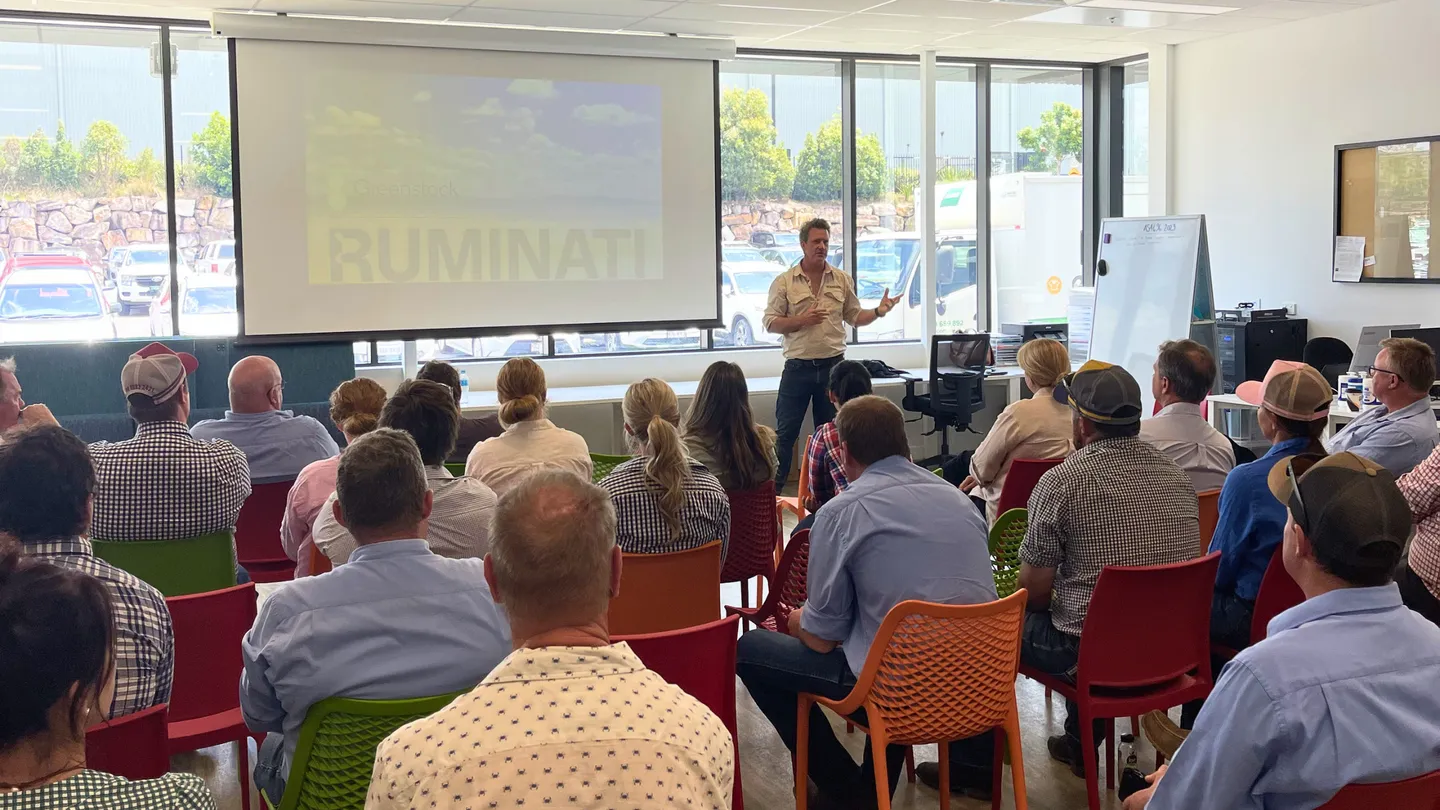
An emissions report counts some of the work you have done on your farm today and leaves other work for later, and knowing which is which is a sensible place to start. It is also where the questions went when advisors and group leaders from across Australia sat down with Ruminati and Landcare Agriculture for this month’s Train the Trainer session, because they are the questions producers bring to the people who work alongside them.
Fertiliser is the clearest case. If you have moved away from synthetic fertilisers, you have nothing to report for those inputs, so the change shows up in your emissions intensity figure without any extra work, and that was the answer to whether organic inputs or regenerative practices count for anything. Trees and remnant vegetation are a different story. Existing vegetation counts for little yet under current frameworks, in line with the rest of the tree and soil work that is still being settled, and the incoming federal guidance is expected to start addressing it, although what counts and from when is something to watch as it arrives.
The cost of checking the figures also came up, and in particular whether verification has to be expensive. When the data is already standardised and held in one place, audits that might otherwise cost tens of thousands of dollars have come in at a fraction of that, and in some cases your own accountant can do it, which makes it worth keeping your records in a form someone else can check.
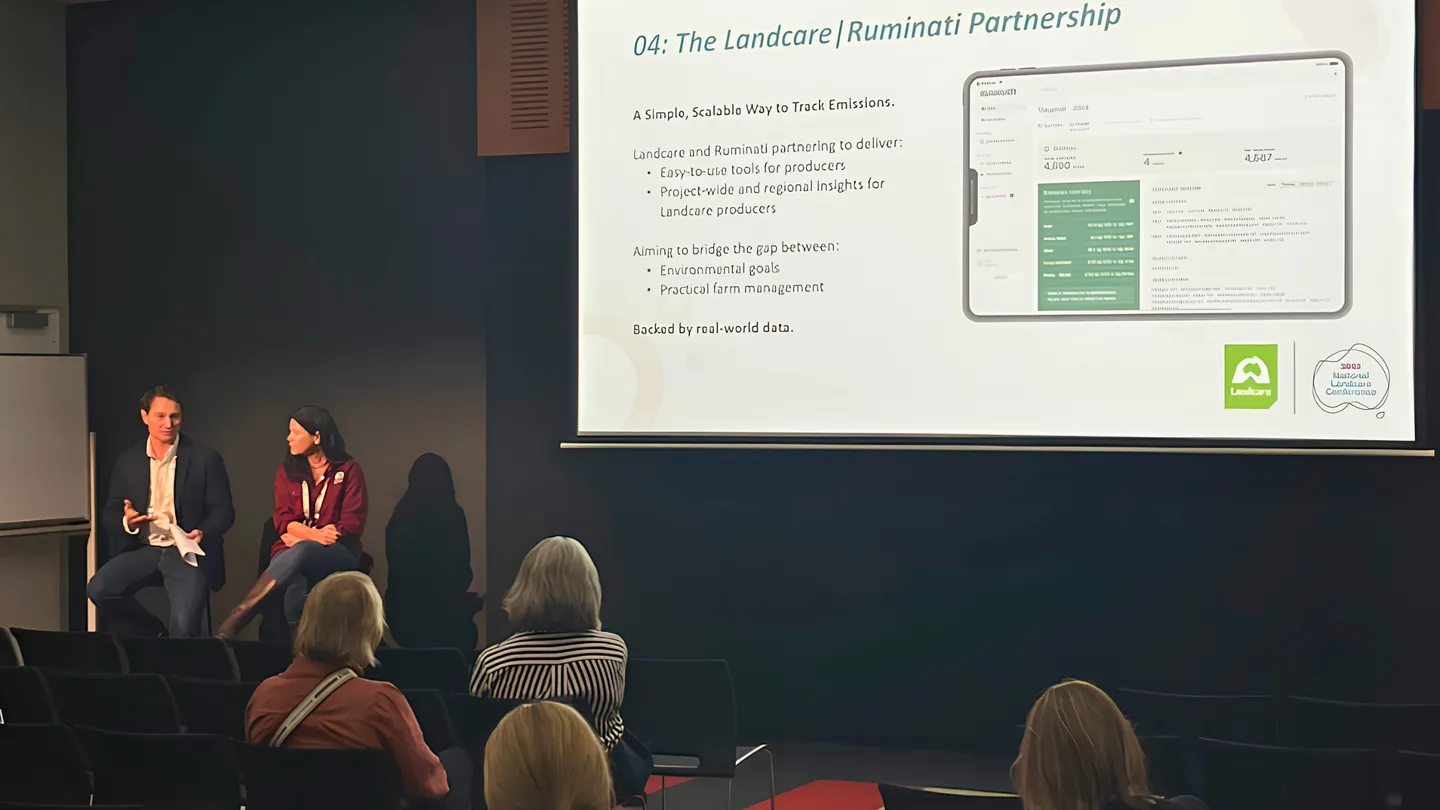
These sessions exist because facilitators, group leaders and advisors are often the most effective way to reach a farming community. Four years into the work Ruminati and Landcare Agriculture do together, the conditions around them have shifted, with supply chains and banks both asking more questions and new federal guidance due in July expected to change things again.
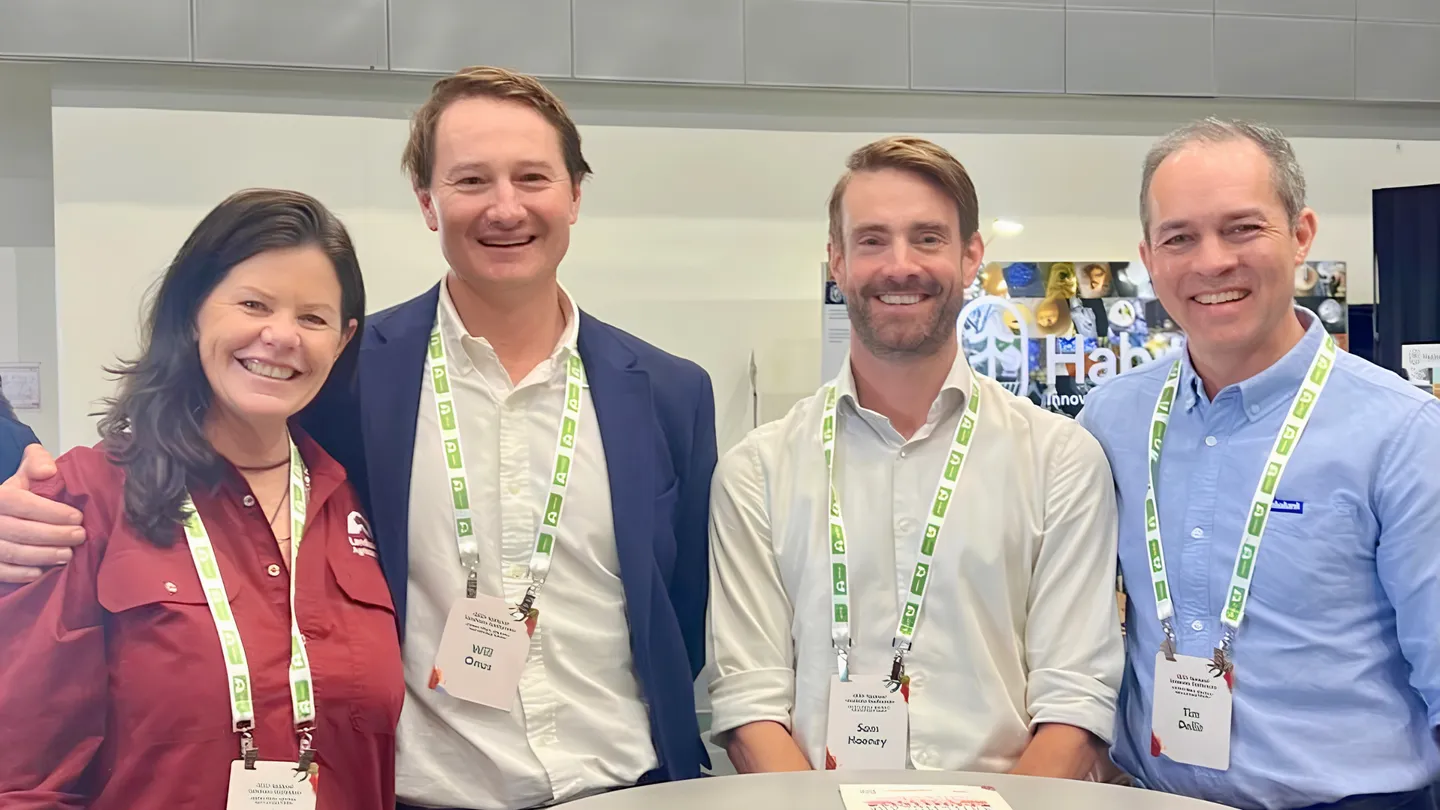
This month’s session drew people from across Australia, including Dawson Creek Catchment Authority, Holbrook Landcare and RegenWA, for a practical walkthrough led by Will Onus, a Ruminati co-founder and now COO. Will is a cattle producer himself, which helps when the technical questions come from both sides of the fence, and the group used that well.
Ang Hammond from Landcare Agriculture closed the session by looking back at what used to seem hard: “We used to think EBVs were a tricky thing to calculate. We used to think that understanding soil health was a tricky thing. It’s all everyday work now.”
Since the session, Holbrook Landcare has registered as a Ruminati service provider, several other groups are working through the same process, and a follow-up session focused on the service provider pathway is in the works. Get in touch via ang.hammond@landcareaustralia.com.au to register your interest.