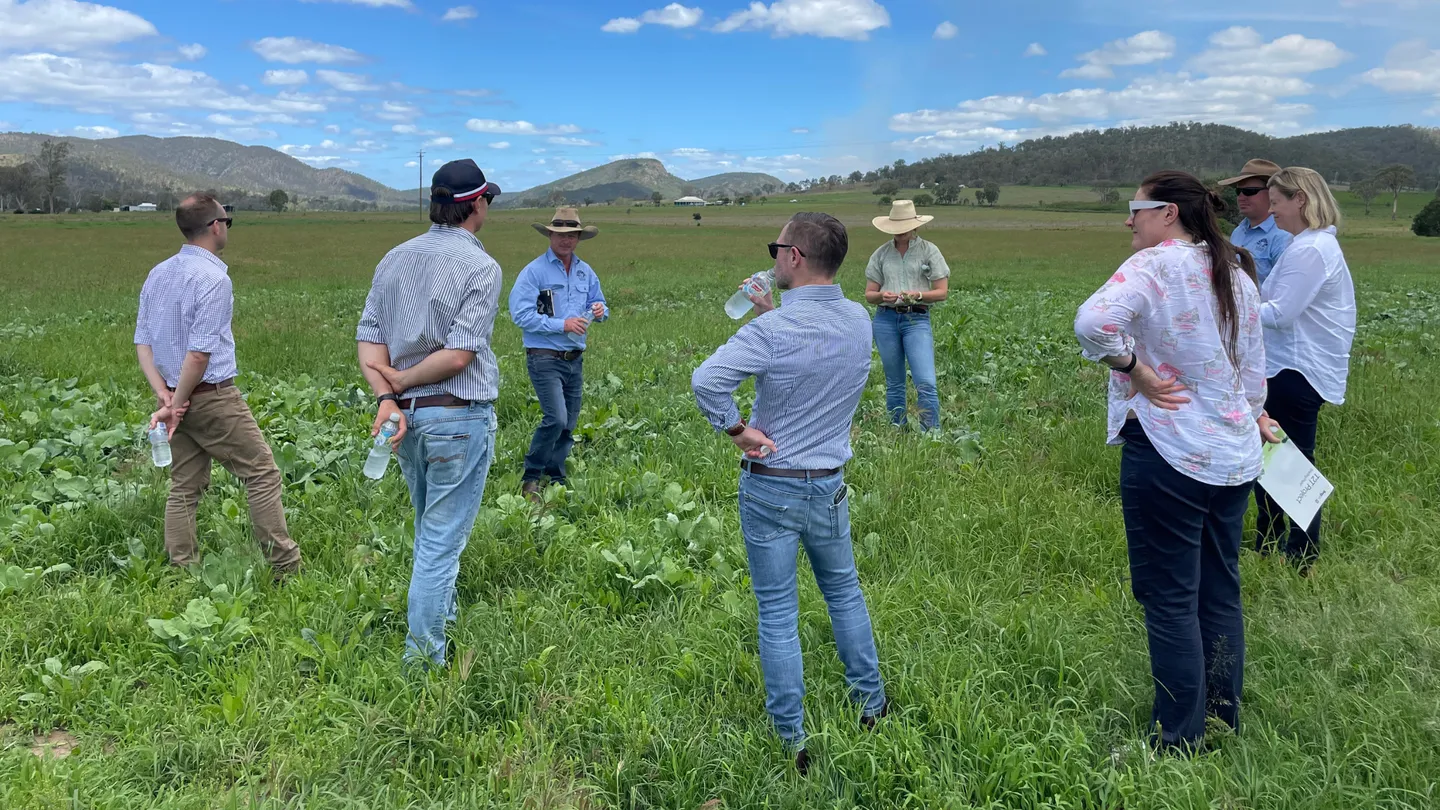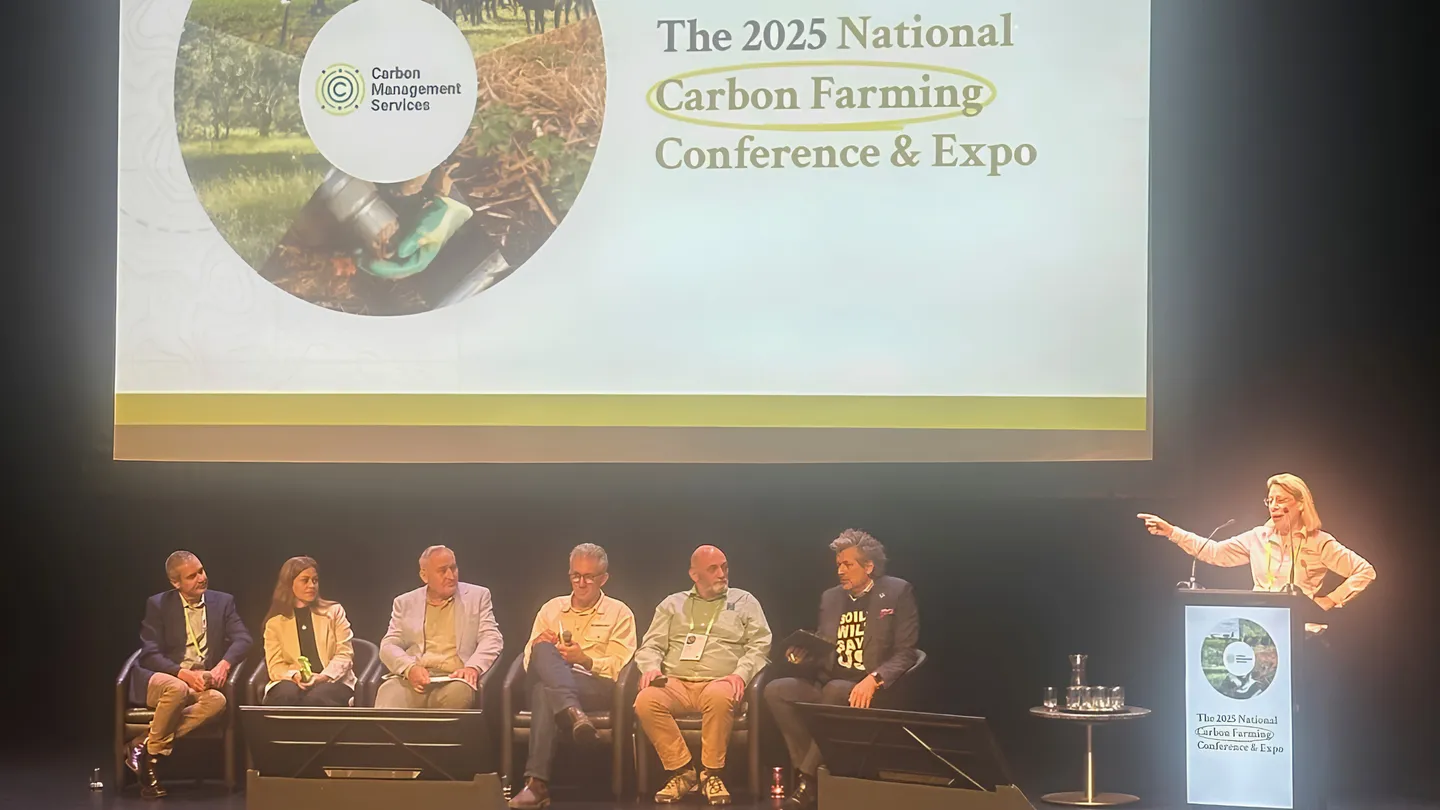
Much of the best land management thinking in Australia comes from people who have spent generations on the one piece of country, and that was the first thing to come through at the National Landcare Conference on the Gold Coast last month. Ian Perkins and Cass Stevens of the NB2 Indigenous Group described how they manage over 3.5 million hectares and 80,000 head of cattle through a peer-to-peer learning model that blends cultural knowledge with western science, which is a long way from a whiteboard presentation about emissions factors and a useful reminder of where this kind of knowledge often starts.
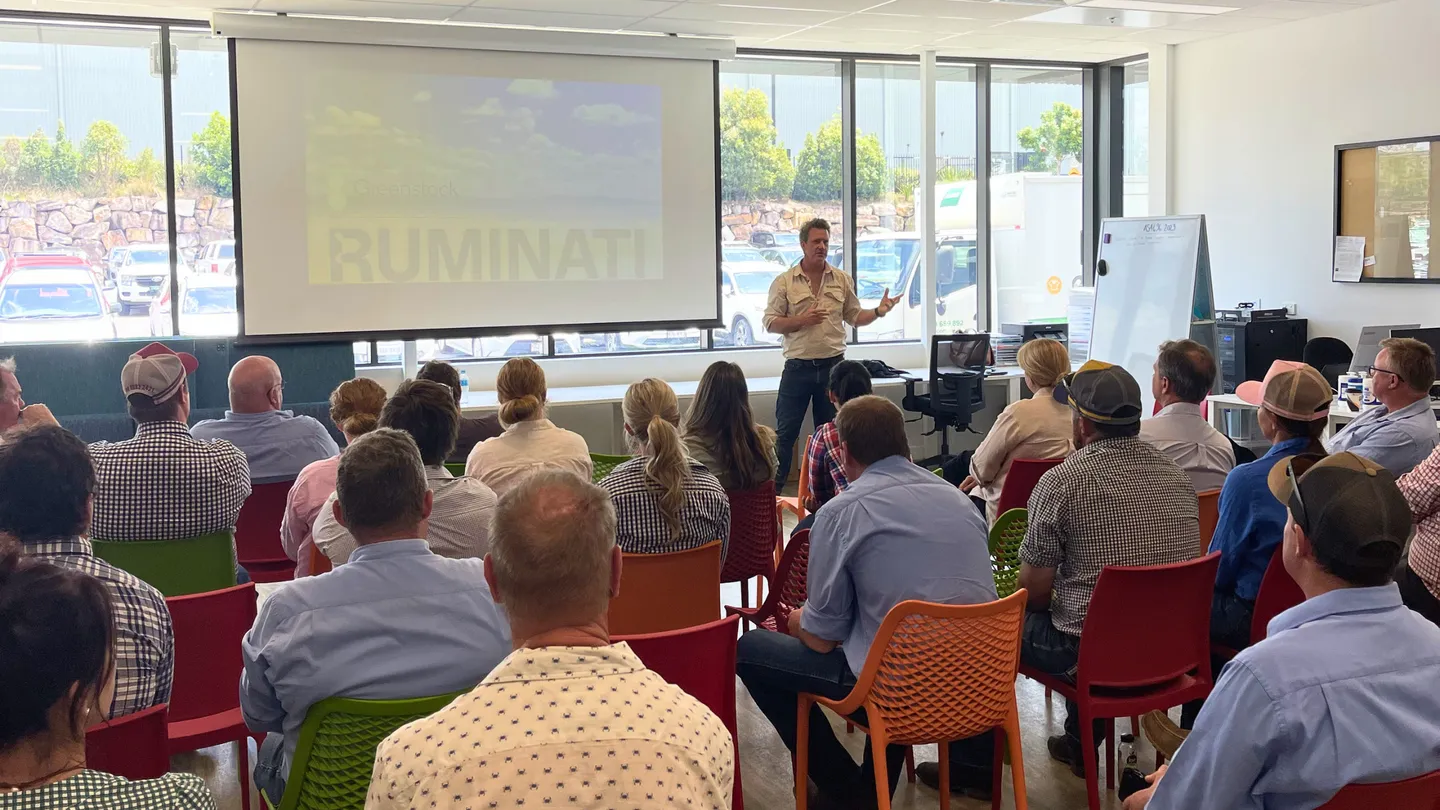
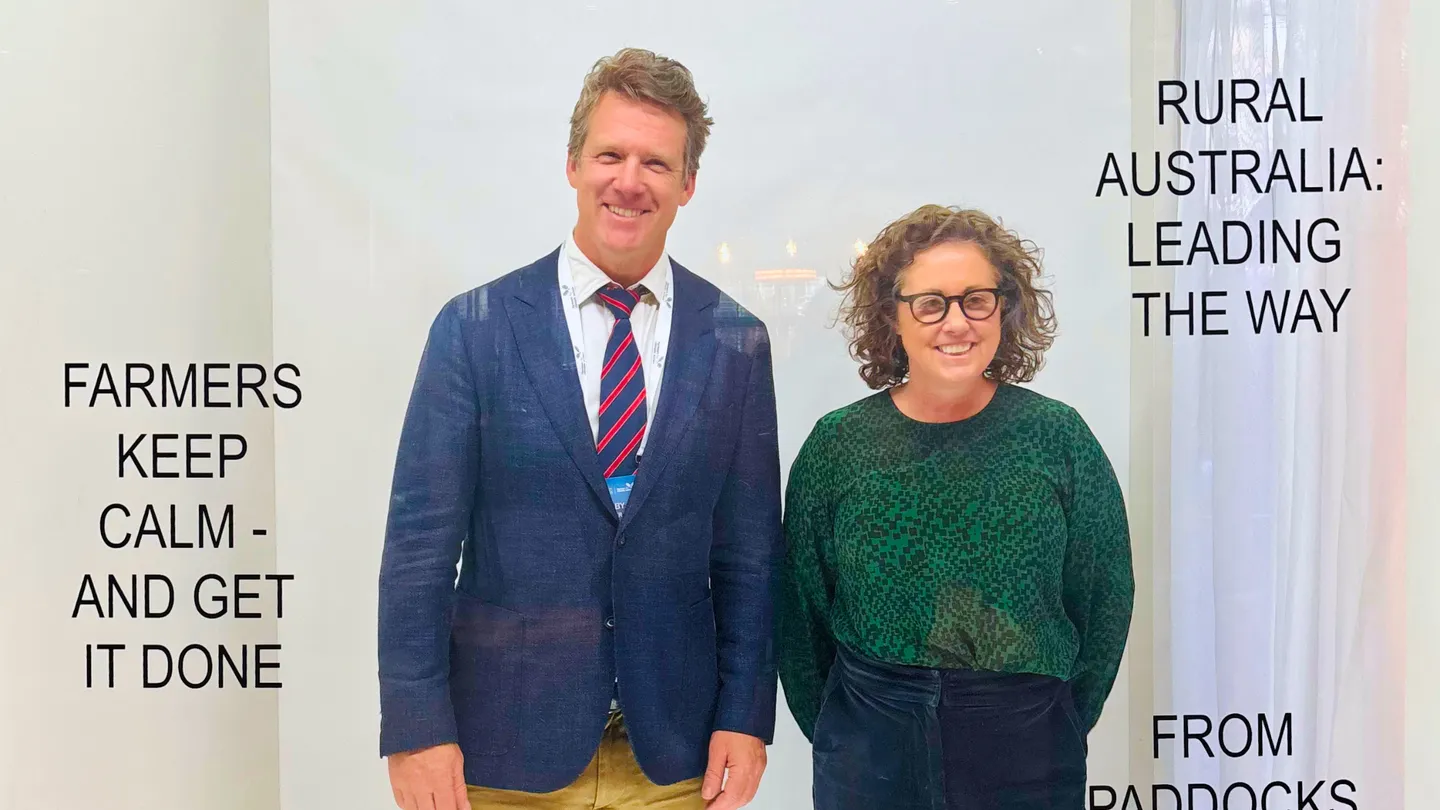
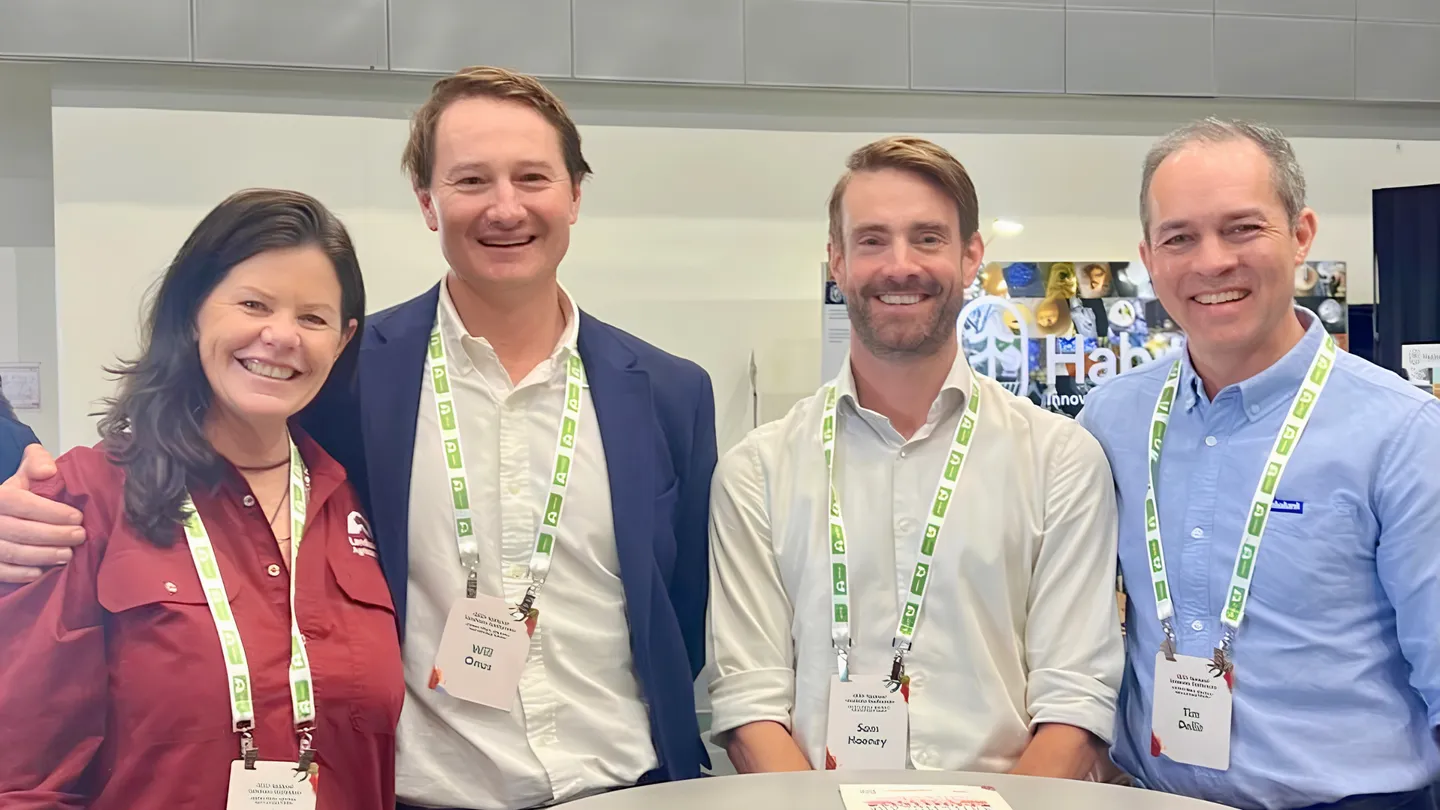
That raises the question of where emissions data fits next to knowledge like that, and Ruminati COO Will Onus spent the conference working through it with producers, together with Landcare Ag Coordinator Ang Hammond. Their conversations covered what emissions tracking looks like on the ground and why getting a first emissions report done now is worth the effort, along with how the data producers are already capturing can start to tell a more complete story about their business. The records a producer keeps on livestock and inputs put numbers to what they already know about their country, and the two together say more than either does alone. Those conversations work better in person, away from the inbox, and this was no exception.
There were also plenty of young producers in the room, asking hard questions, sharing ideas and clearly thinking seriously about the future of their businesses. For anyone planning that far ahead, records are the part that builds up over time, because each year of data gives a longer record to look back on and makes the next report a lighter job. That energy does not always show up in the headlines, but it was hard to miss on the floor, and a first emissions report done early gives those businesses more years of records to work with.