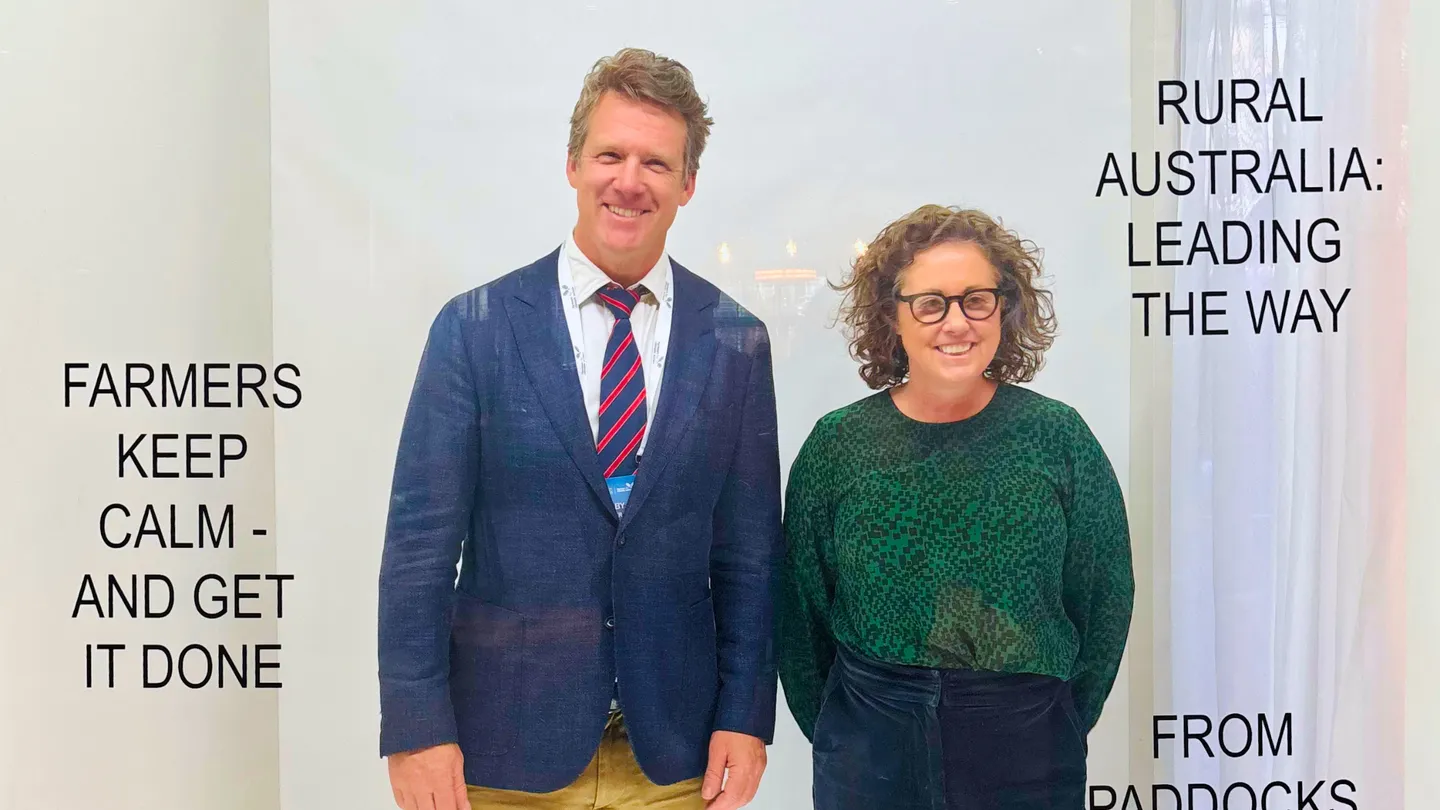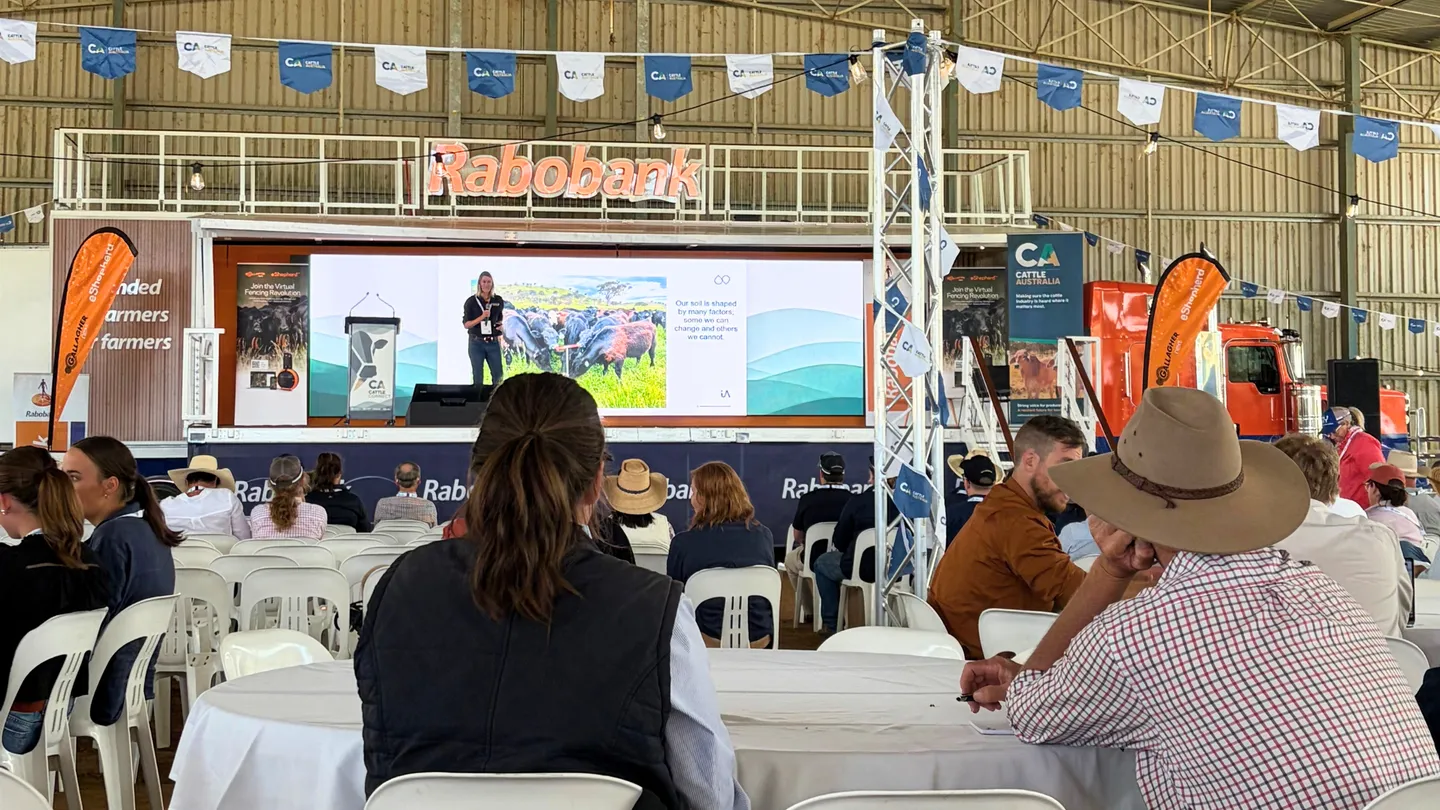
Any change you are weighing up on the farm, from a soil project to a different feed, ends up competing with everything else for the same dollars, and what settles it is what the change does for the bottom line. That is the order of priorities soil scientist Dr Susan Orgill described at Cattle Australia’s Cattle Connect, where she spoke about focusing on the factors you can influence and getting soil biology and structure sorted for on-farm yield. Carbon came up as well, and the way our new Head of Partnerships Rosie Cowie noted it down was that productivity pays the bills first and carbon markets can come second.
That order tends to match how these decisions go on a working farm. A change that makes one part of the property more efficient also makes it more productive and more profitable, and the effect is felt across the whole business, which is what decides whether you keep going with it. If better soil lets you use fewer inputs and turn off more cattle, the change has paid for itself in figures you already look at.
Carbon follows the same logic from another direction. Soil sequestration does not yet count in the national emissions guidelines, so a soil improvement will not earn a line in an emissions report by itself. It still carries through to the figure that ties emissions to what the farm produces. Lower inputs bring down the emissions linked to them and a higher turnoff lifts the production those emissions are measured against, so your emissions intensity improves without soil carbon being counted at all.
This is where tools earn their place, and agtech is part of the strategy for the sector when it gives producers clarity and leaves them free to do what they do best. For that it has to show you how the farm is performing across the years, with your inputs and turnoff and the emissions intensity that follows from them. A digital platform such as Ruminati can do that for emissions and other tools can do it for other parts of the business, and the test is the same for all of them, which is whether they tell you something useful about your farm business.
That makes the first question for any change on your farm a plain one, which is whether your inputs are coming down and your turnoff is going up, with carbon markets a conversation for after that.