Most of the emissions work on your farm is work you can see: how you manage methane and fertiliser, and how clean your records are when a bank or a processor asks where a figure came from. Shifting the Burden, from Farmers for Climate Action, looks at what sits outside that, and it puts figures on parts of the picture that do not show up in a farm-level report.
The figure that stands out is the one for work nobody invoices. Farmland has been storing carbon and helping bring down Australia’s emissions total for years, and Regional Policy Solutions puts that at around 31.2 megatonnes of CO2-equivalent a year, with no contract, payment or much recognition behind it. The report’s concern is that agriculture is now being asked for further credits as well, and that industrial emitters can buy those in place of reducing their own emissions.
Those credits sit inside the federal Safeguard Mechanism, the policy covering Australia’s largest industrial sites. A covered facility can cut its own emissions or buy credits against them, and a large share of the credits come from farmland. In 2024-25, according to the report, coal, oil and gas facilities bought close to nine million, which is two-thirds of the scheme, while their own physical emissions barely changed. Its summary line is “The burden does not disappear. It shifts.” Rushy Lagoon is the example it uses. That is a 21,744-hectare property in northern Tasmania, now before a State Parliamentary inquiry, where a proposal would turn 9,000 hectares of productive farmland into a pine plantation for an estimated 3.2 million credits.
Alongside the storage sits the cost to your own business. Citing ABARES data, the report puts what worsening fires, floods and droughts, and the insurance premiums that follow them, are costing at 23 per cent of average annual broadacre farm profit, close to $29,200 a farm. Cropping country in the south-west and south-east of Australia has been hit hardest.
That argument has drawn comment from former NSW Farmers office-holders. Mitchell Clapham, a former committee chair, told The Land that the credit approach gives heavy industry “an easy out” while agriculture has committed to net zero by 2050 on its own account. Former president Mal Peters told the New England Times that farmers have been “carrying the environmental load for the whole country” for over two decades.
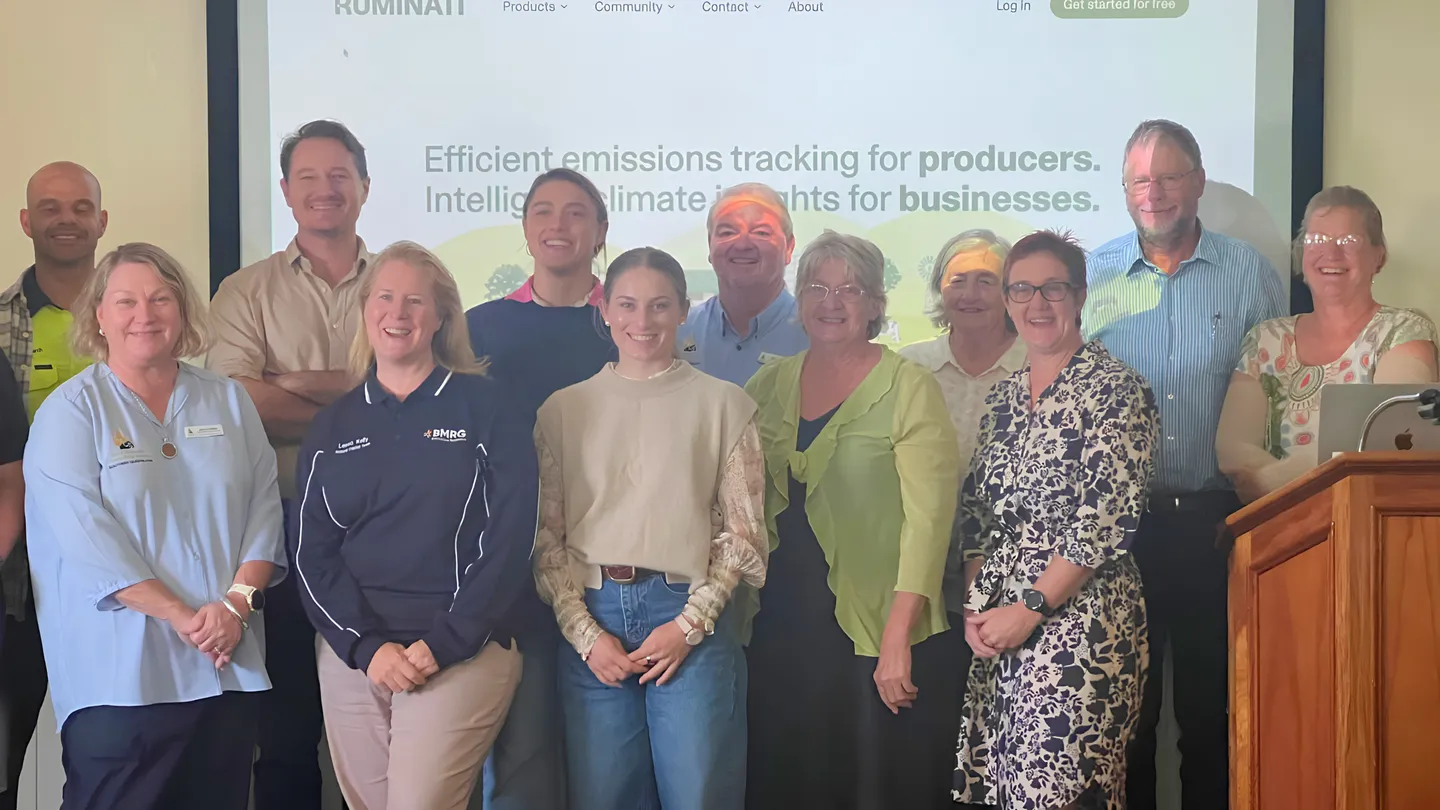
What this means for your own record is narrower than any of those figures. They are industry-wide estimates, and the work behind them happens one paddock and one input decision at a time, where it can disappear into a national average. Your Ruminati report puts your own gross and net emissions and your emissions intensity on record, calculated to the national guidance, so the farm-level piece carries your name. On Ruminati, your data stays yours and you choose who sees it. The storage side is different. Soil and tree sequestration are not yet part of the national guidance and existing vegetation counts for little under current frameworks, so the work the report describes does not show up in a report today.
If you want to read it for yourself, Shifting the Burden is at farmersforclimateaction.org.au/our-vision-and-plan/reports. Its recommendations are aimed at the Safeguard Mechanism review, where public submissions close on 18 September.