CSIRO’s assessment of more than 80 emissions-reduction technologies across six agricultural sectors, released on 14 October, reaches a conclusion that shifts where the effort sits for businesses that fund or buy from livestock producers. Cutting on-farm emissions is constrained less by whether effective technologies exist than by how well they fit into farming systems. Technical performance on its own is a poor predictor of whether producers adopt something, and cost, return on investment, ease of use, delivery, trusted data and market value all count for more.
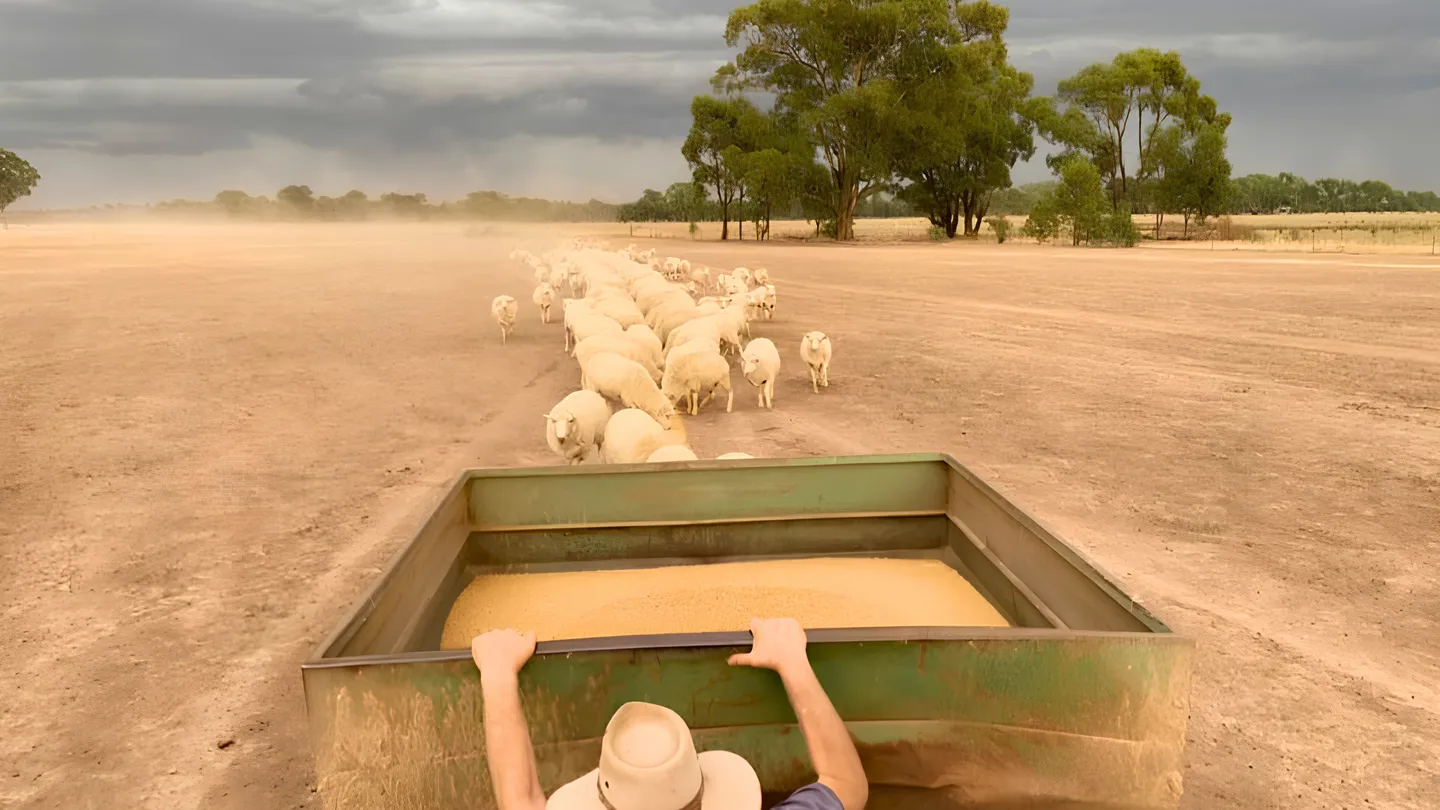
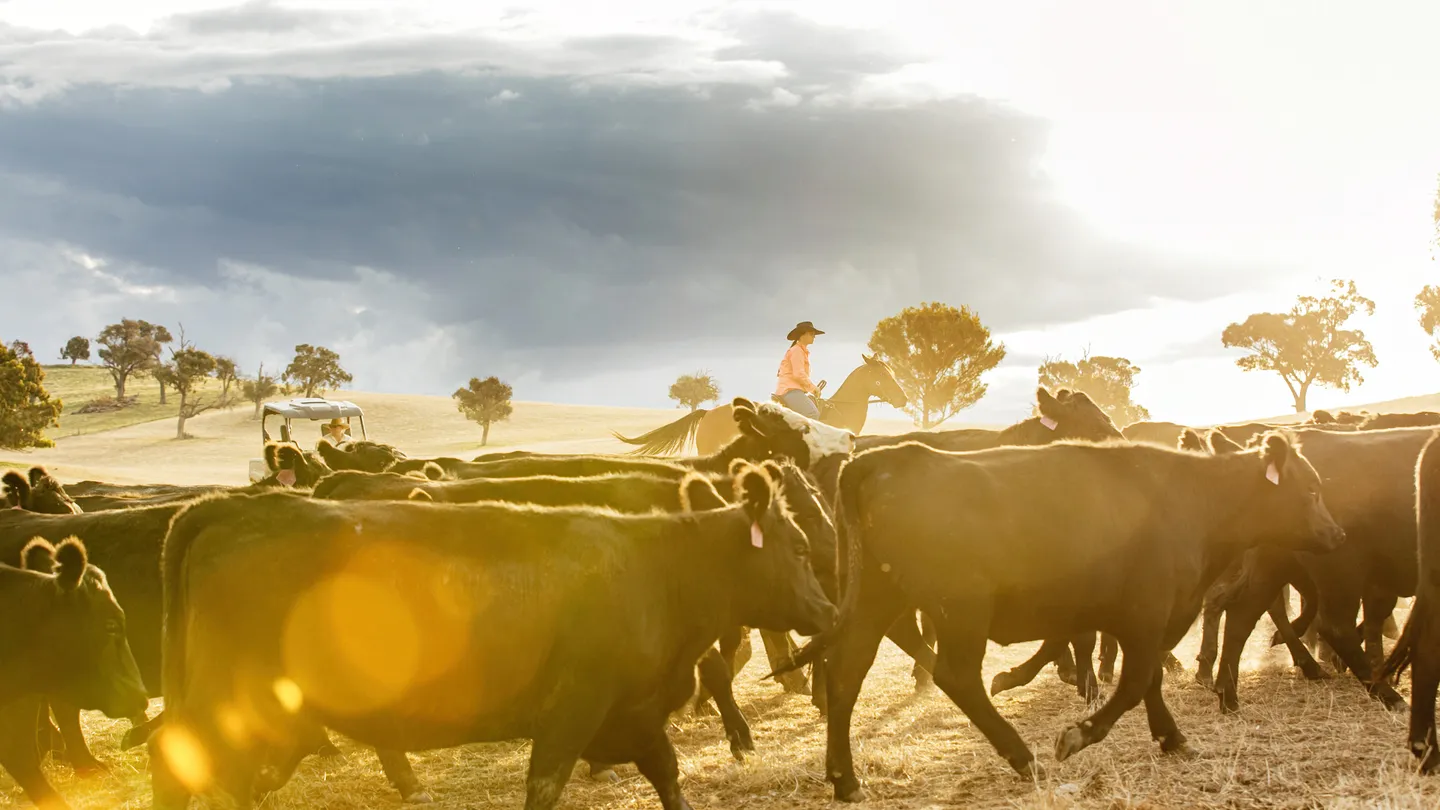
Grazing shows how that plays out. A feed additive can perform well in a trial and still be hard to deliver to cattle in extensive systems. The report names additives in extensive grazing as an example of research led by the technology with limited alignment to the system it is meant for. It also warns about efficacy trials that have no pathway to scale.
If delivery is the constraint, the demand side matters a great deal. The report expects procurement preferences, insetting arrangements and concessional finance to be integral to scaling mature technologies that cannot pay for themselves. It also notes that corporate programs are starting to pay farmers a premium for products grown using specified methods. Those are the levers that banks, processors and retailers hold.
The report also expects the early gains to be modest at the sector level, with the period to 2030 given to building confidence, capability and measurement. That changes the question a partner running a program has to answer. Choosing an intervention to back is the first half, and the second is being able to tell, a few years in, whether it moved emissions in the group of producers it was aimed at. CSIRO’s Dr Michael Battaglia spoke to the measurement side of this. He said that continued development of Australia’s measurement systems will matter as demand for lower-emissions production grows and that building on existing work could make it easier for farmers to demonstrate emissions outcomes and reach markets that value them.
The group is the useful unit here, and national figures say little about a particular supplier group or a cohort of borrowers. Producers who report their emissions on Ruminati can choose to share their results with a partner, and what the partner sees is aggregated across the producers who agreed, with no view of any single farm. Followed from one reporting year to the next, those aggregated results show whether the group moved after the intervention began and by how much. They also show the combined effect where more than one practice is running, which fits the report’s expectation that reductions will come from stacks of practices suited to each farming system.
The figures show movement and leave the explanation to the partner, who reads them against what it did and when. With early gains expected to be small, a run of several reporting years will say more than any single one.