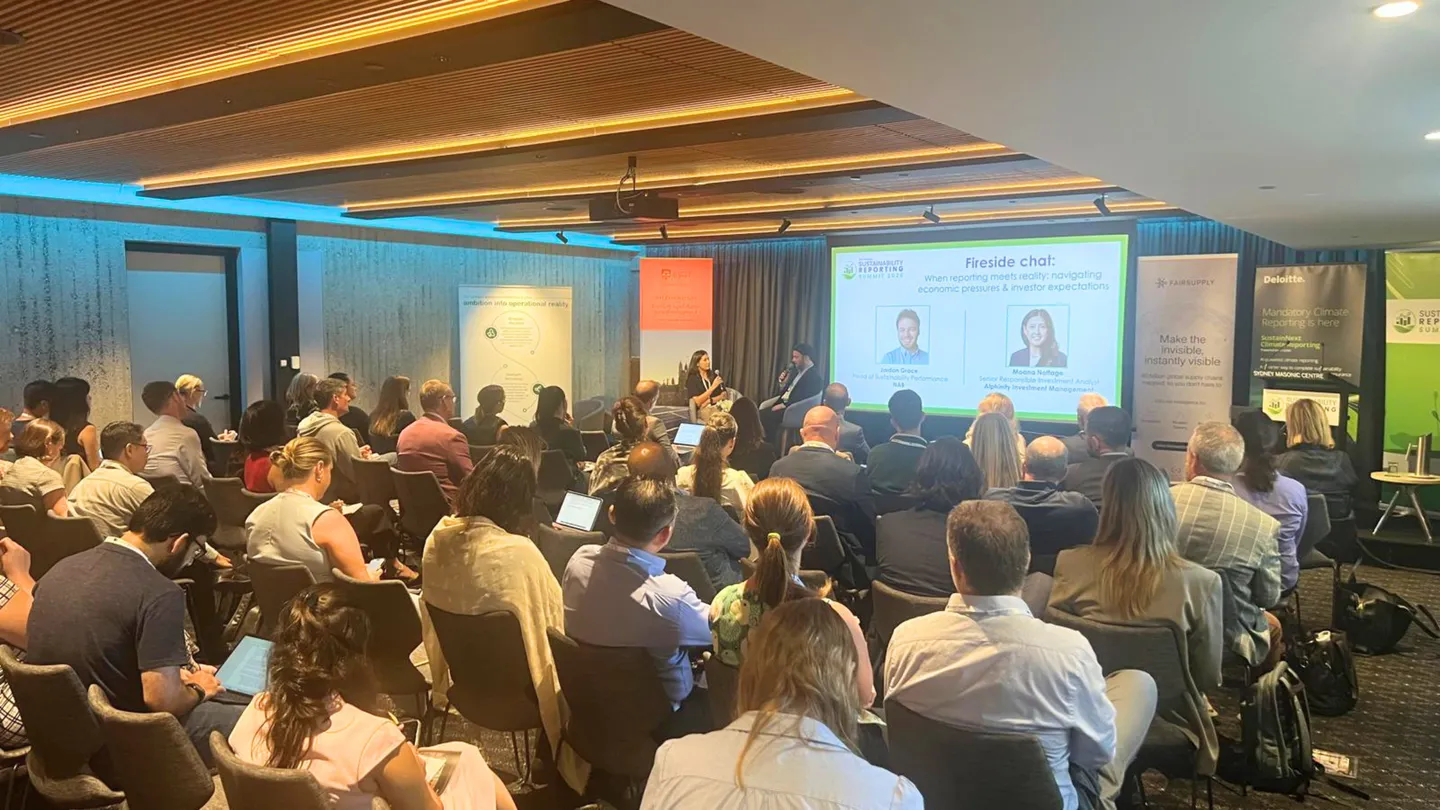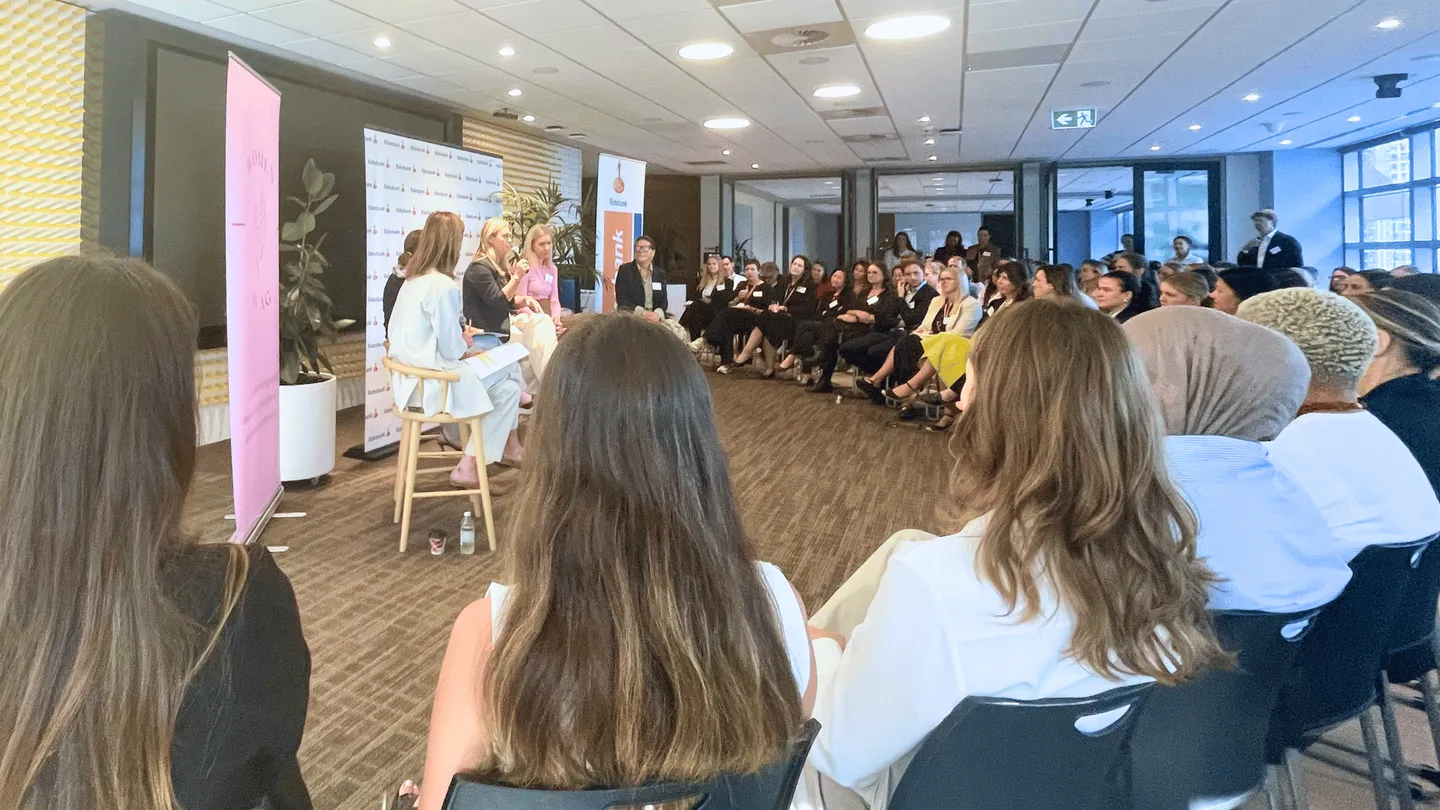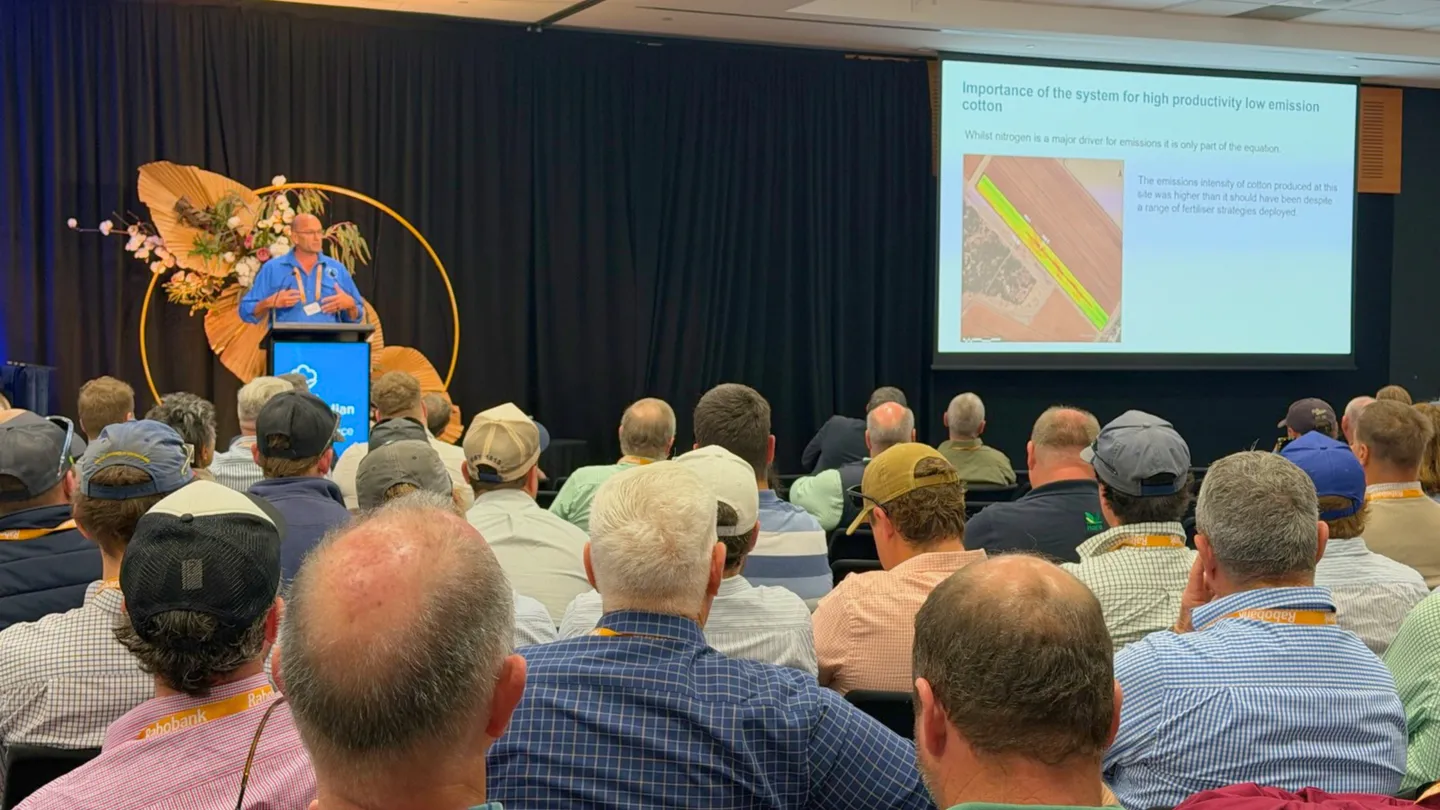
Australian cotton sells at a premium above the global basis, and the environmental credentials behind that premium are shifting from something that sets a grower apart to something closer to an expectation of every grower. At the Australian Cotton Conference on the Gold Coast, Elizabeth Stott, Chair of Cotton Australia, gave the grower’s side of that shift. If more reporting usually brings more cost, what does a grower get in return, and who controls the data behind it? Kara Hurry, our Strategy and Growth Manager, spent a few days at the conference and came back with a view on the first half of that question that the team has discussed since.
Her view is that the same finding about a farm is funded differently depending on how it is described. Research presented at the conference supplied two cases. Between 30 and 50 percent of applied nitrogen reaches the crop, with the remainder lost along the way, and a property that keeps bat habitat is in effect buying pest suppression it does not have to spray for. Described as environmental outcomes, both become items for a report and a working group, with little money attached. Described as efficiency, both earn a line in the budget, because efficiency is a subject most farm businesses already discuss in some form.
Emissions intensity sits in the same position. Gross and net emissions are the figures a bank or buyer takes into its own reporting, while intensity relates emissions to what a farm produces, which makes it a productivity figure under another label. Cropping operations already weigh input costs closely, so described that way it fits how cotton growers think about their business. For a bank or retailer asking growers for data, the same framing may shape whether the request finds a budget on the farm.
The second half of Stott’s question reaches further than any one platform. On Ruminati, growers own their data and choose who sees it. Beyond that, two matters are unsettled for cotton and for agriculture more broadly, which are who owns farm data when a property changes hands and what follows if a downstream claim turns out to be wrong. Both remain open across the industry.
Kara’s view of the figure itself is that it marks a starting point, the first reading in a picture of how a system performs over time. Cropping operations that want to see where their own figures sit can get started on Ruminati PRIME at no cost.